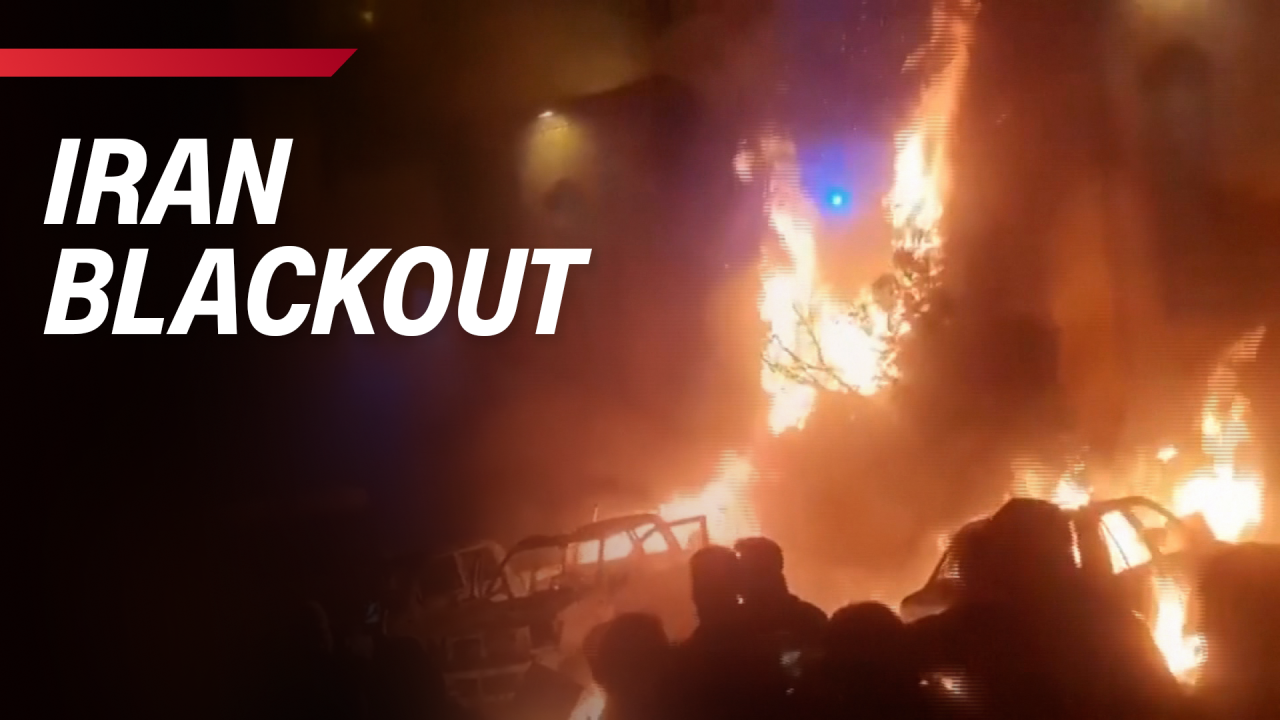
Protests in Iran have entered their second day amid a government-imposed internet blackout. The unrest, sparked by rising inflation and discontent with the ruling authorities, has persisted for over ten days, with demonstrators expressing their frustrations in various cities across the nation.
Reza Pahlavi, the son of Iran’s last shah, has called for a two-day nationwide strike starting Saturday, December 30, 2023. In a video address posted on social media platform X, Pahlavi urged workers in vital sectors—such as transportation, oil and gas, and energy—to join the strike. Despite being in exile, the former crown prince conveyed his support for those on the ground, stating, “I also ask all of you… to come into the streets with flags, images and national symbols and to reclaim public spaces as your own.” He emphasized that the goal of the demonstrations is to seize control of city centers and hold them.
While Pahlavi’s royal lineage is well-known, his popularity within Iran remains uncertain. He was only 16 years old when the 1979 Islamic Revolution ended his father, Shah Mohammad Reza Pahlavi’s, 40-year reign. As the first in line to inherit a long-standing dynasty, his current stance represents a significant political development for many Iranians seeking change.
The ongoing internet blackout, now exceeding 36 hours, has severely restricted communications across Iran. According to watchdog organization NetBlocks, authorities cut off internet and telephone services following mass protests in the capital, Tehran. This blackout has hampered citizens’ ability to check on the safety of loved ones during a time of heightened tension.
At 08:00 AM local time, NetBlocks reported that the blackout persists, greatly limiting access to information for Iranians. The organization highlighted the challenges faced by individuals trying to connect with friends and family amid the unrest. “Metrics show the nationwide internet blackout remains in place at 36 hours, severely limiting Iranians’ ability to check on the safety of friends and loved ones,” the group stated on its Telegram channel.
The protests, which began on December 28, have been fueled by public frustrations over the government’s handling of the economy and the increasing repression from security forces. As unrest continues, the Iranian government faces a growing challenge to maintain control over the situation, with citizens increasingly vocal about their demands for change.
As the situation in Iran evolves, the response from both the government and the international community will play a crucial role in shaping the future of the country. The ongoing demonstrations and calls for strikes reflect a significant moment in Iran’s political landscape, echoing sentiments for reform and greater freedoms among the populace.