Recent allegations suggest that Oregon’s lowest-income school districts are being underfunded due to an inaccurate count of students living in poverty. This miscalculation significantly impacts the funding received by these districts, raising urgent concerns among educators and administrators.
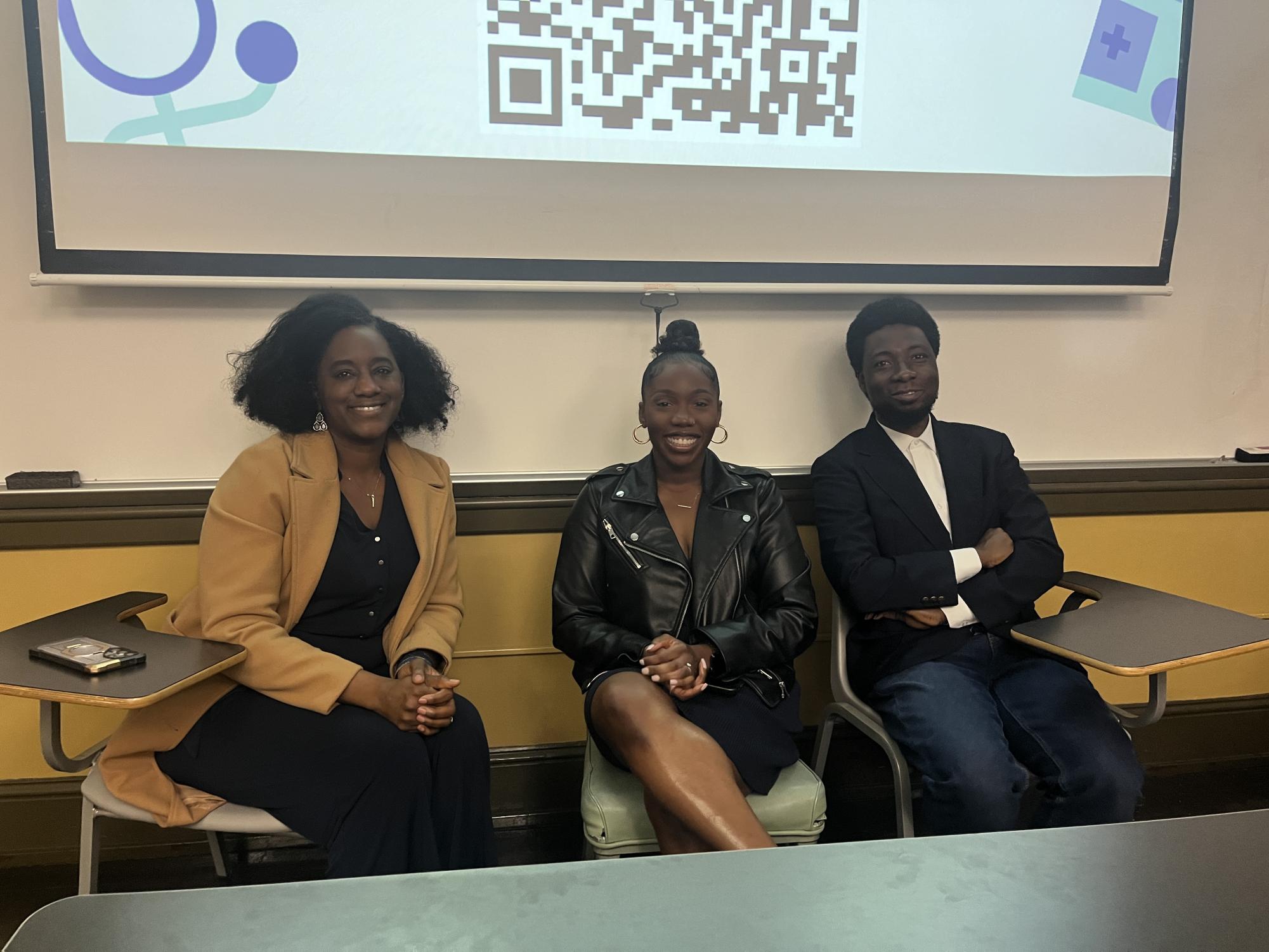
Frank Caropelo, superintendent of the Reynolds School District, along with union leaders Jeffrey Fuller and Esper Farmer, has highlighted the ongoing disparity between state funding and the needs of schools serving vulnerable populations. The state’s emphasis on accountability, particularly through Senate Bill 141, which empowers the Oregon Department of Education to intervene in district decisions based on performance metrics, fails to address the underlying issue of inadequate resources.
The American Institutes for Research conducted a report commissioned by state lawmakers, revealing significant inequities in the distribution of funds from the State School Fund, the primary source of K-12 education financing in Oregon. This report underscores how the existing funding formula inadequately accounts for the increased costs associated with educating students who have higher needs, including English learners, students with disabilities, and those living in poverty.
As the Reynolds district prepares for the 2025-2026 school year, it faces difficult decisions affecting nearly 10,000 students and 1,200 employees. Located in East Multnomah County, this district serves families grappling with some of the highest rates of persistent economic disadvantage in Oregon. Despite significant increases in state funding, these resources have not kept pace with rising operational costs, including utilities and mandated retirement contributions.
The consequences of this funding shortfall are severe. Reynolds has experienced employee layoffs totaling around 200 over the past two years and has been forced to implement unpaid furlough days for staff to manage its budget. Additionally, the district is cutting six days from the school year, falling short of the state’s minimum instructional time requirement. These measures reflect a system that chronically underfunds districts with the greatest needs.
Oregon’s funding formula, established over four decades ago, fails to reflect the current educational landscape and the diverse needs of students. In Reynolds, over three-quarters of students qualify for free or reduced lunch—a stark contrast to the average district, where only 33% fall into this category. Furthermore, around half of the students in Reynolds come from non-English-speaking homes, necessitating a greater number of specialized staff, such as ESL teachers and interpreters, than the state funding formula supports.
The district spends millions each year beyond what the state allocates for special education, striving to meet its legal obligations to provide a free and appropriate public education to students with disabilities. The dedication of staff and the accomplishments of students, including those accepted into prestigious colleges, demonstrate resilience despite inadequate funding.
The ongoing tension between district leadership and unions, driven by continual underfunding, often leads to labor-management disputes that detrimentally affect both staff and students. High turnover rates and burnout among educators further strain the system, adversely impacting student academic outcomes.
A shift in how Oregon allocates educational resources is essential. The call to revise the state’s methodology for counting and funding students experiencing poverty, as well as to fully support special education and high-cost disability funding, is urgent. Until Oregon addresses these foundational issues, districts like Reynolds will continue to face immense challenges, and educators will be unfairly labeled as failures when they are unable to deliver due to systemic inadequacies.
In conclusion, accountability measures cannot substitute for a comprehensive review and reform of the funding system that supports Oregon’s schools. It is crucial for state lawmakers to take action that reflects the realities of today’s educational needs, ensuring that all students receive the support they require to succeed.