Nurses at Kaiser Permanente have entered the second week of their open-ended strike, relying on personal savings to continue their protest for better working conditions and wages. The strike, which began on January 26, 2026, sees approximately 31,000 registered nurses and health professionals in California and Hawaii walking off the job while awaiting a new contract agreement.
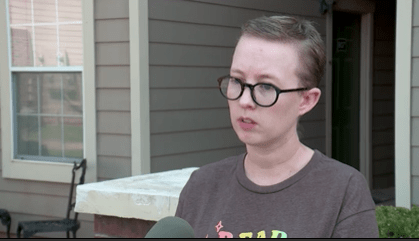
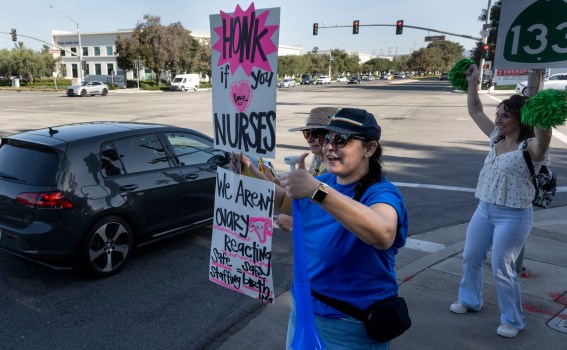
On the picket line at the intersection of Sand Canyon Avenue and Alton Parkway in Irvine, California, registered nurse Sarah Rubino joined around 150 fellow nurses. As they chanted slogans and received honks of support from passing vehicles, Rubino expressed her commitment to the cause, stating, “I’m prepared for another week with some help from my rainy day fund.” This personal financial cushion has become essential for many striking nurses, many of whom are making sacrifices to sustain themselves through the strike.
Rubino, who works at Kaiser’s Irvine Medical Center, mentioned that she had taken on extra shifts after a previous strike last October, which limited her family’s holiday celebrations. “Christmas was less that year. It looked different,” she reflected, highlighting the personal toll of such strikes.
The United Nurses Association of California, representing the striking workers, currently lacks a dedicated strike fund. As a result, nurses are tapping into their savings and cutting back on expenses, such as dining out or reducing the number of vehicles used for commuting. “All of our health care professionals have been working extra or picking up part-time jobs just so that we can get a fair contract,” Rubino added.
Another striking nurse, Alice Hunter, who works at Kaiser’s Anaheim Medical Center, has a rainy day fund of $5,000. Hunter, who also supports her son attending college, expressed her budgeting challenges amid rising costs. “I’ve cut back with inflation,” she said, emphasizing the financial pressures faced by many in the healthcare sector.
Negotiations between Kaiser Permanente and the union have been ongoing as the nurses seek to replace a five-year contract that expired on September 30, 2025. The union initially demanded a 38% pay increase over four years but has since adjusted their request to a 25% raise. They are also advocating for better benefits and increased hiring to address staffing shortages.
In response to the strike, Kaiser Permanente issued a statement asserting their support for nurses and patients during the labor dispute. Camille Applin-Jones, senior vice president for Kaiser Permanente Southern California, noted, “Our contract proposal is the strongest compensation package in Kaiser Permanente’s national bargaining history and keeps employees among the best-paid caregivers in the country.” Applin-Jones highlighted a proposed total pay increase, including step increases, amounting to around 30% over the contract’s duration, excluding benefits enhancements.
The strike follows a historic five-day walkout last October, during which Kaiser brought in thousands of temporary staff to cover critical roles. Reports indicated that these temporary workers were compensated between $78 and $130 per hour, depending on job requirements.
While Kaiser has refrained from discussing specific staffing issues related to the current strike, experts like Laurel Lucia, deputy executive director for the Labor Center at UC Berkeley, suggest that significant changes are looming in the healthcare landscape in California. Lucia previously warned of potential cuts in Medi-Cal funding, a prediction that was realized with the recent passage of federal legislation. She stated that these cuts could affect access to care for millions and potentially lead to significant job losses in the sector.
“The longer the strike continues, the more financial repercussions Kaiser will face,” Lucia noted, adding that prolonged disputes could also harm the company’s reputation among patients who value their healthcare providers.
As the first week of the strike concluded, preparations for a second wave of labor action are underway. Over 3,000 pharmacy and lab workers associated with the United Food and Commercial Workers union have indicated they will join the strike on February 9, unless an agreement is reached. Kathy Finn, president of UFCW Local 770, criticized Kaiser’s corporate practices, stating, “They call themselves a nonprofit, but their goal… is to bring in a lot of money and premiums and then scrimp on what they give out in care.”
Until a resolution is achieved, many nurses, including those like Gerard Corros, president of the Kaiser Orange County Professional Association, are adjusting their financial habits. Corros plans to use his fuel-efficient vehicle instead of his larger truck and is minimizing discretionary spending. “We have decided that they are making priorities in profits over patients in the community that we serve,” he remarked, encapsulating the sentiment of those on the picket line as they prepare for the challenges ahead.