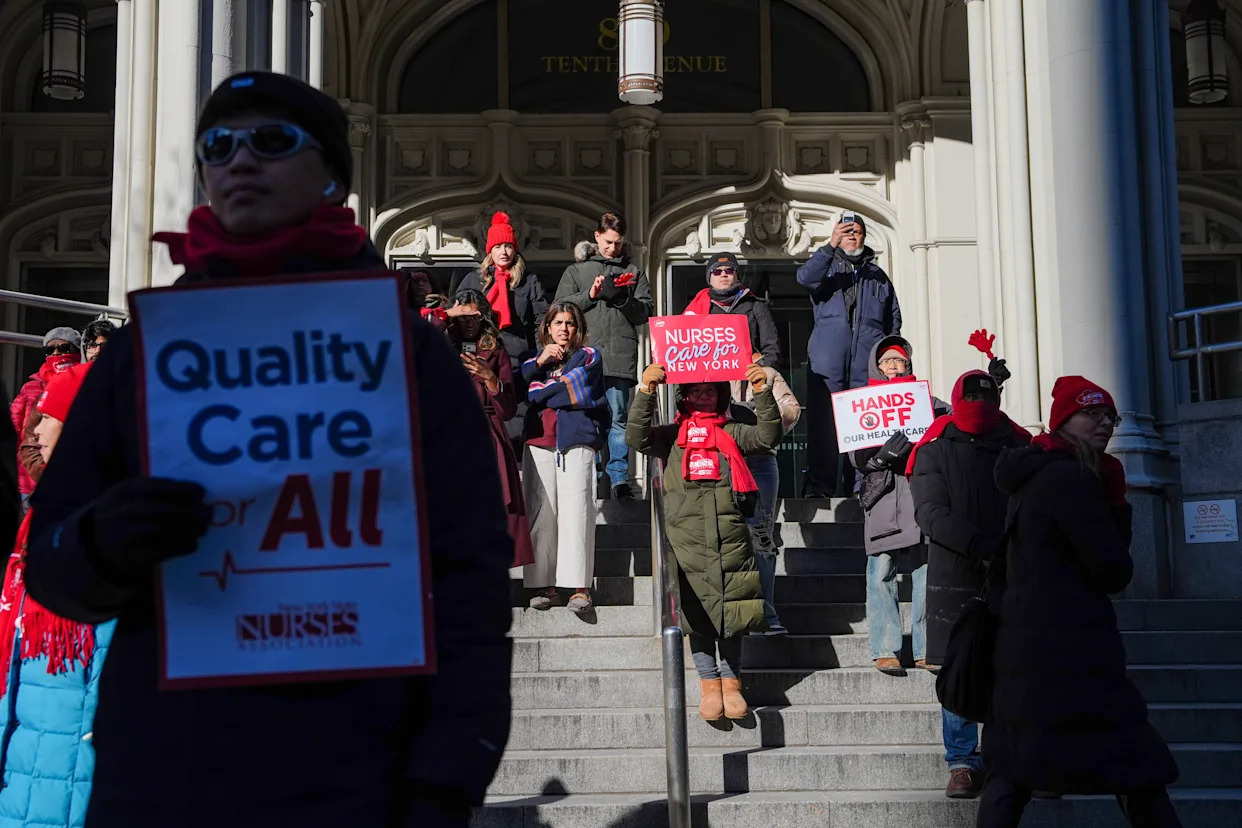
Negotiations between the New York State Nurses Association and two major healthcare providers have resulted in tentative agreements aimed at ending a prolonged strike involving nearly 15,000 nurses. The tentative contracts with the Montefiore and Mount Sinai health systems were reached in the early hours of March 4, 2024, after more than four weeks of negotiations.
These agreements include significant provisions such as maintaining zero-premium health insurance coverage for nurses, establishing new staffing levels, and implementing wage increases starting with a 4 percent raise on March 1, 2024. Additionally, the contracts introduce paid time off for nurses involved in court proceedings related to workplace violence and set guidelines for the use of artificial intelligence in clinical settings.
Return to Work Pending Ratification
The contracts now await ratification from approximately 10,500 unionized nurses at the Montefiore and Mount Sinai facilities. A vote is scheduled to take place this week, and if approved, the nurses are expected to return to work on Saturday, March 9, 2024. The union plans to release further details about the agreements following the ratification process.
Union President Nancy Hagans expressed optimism about the agreements, stating, “Nurses at Montefiore and Mount Sinai systems are heading back to the bedside with our heads held high after winning fair tentative contracts that maintain enforceable safe staffing ratios, improve protections from workplace violence, and maintain health benefits with no additional out-of-pocket costs for frontline nurses.”
Ongoing Negotiations at New York-Presbyterian
While the agreements with Montefiore and Mount Sinai mark significant progress, approximately 4,200 striking nurses at New York-Presbyterian have yet to finalize a similar deal. A spokesperson for New York-Presbyterian indicated that the health system had agreed to a comprehensive proposal presented by mediators early on Sunday, which included the same wage increases and provisions for health benefits and pension. However, union representatives at New York-Presbyterian did not sign on, citing unresolved issues regarding staffing levels.
The ongoing situation highlights the critical nature of staffing and workplace conditions in healthcare settings, particularly as nurses advocate for better working conditions amid ongoing challenges in the industry.
As the situation develops, the response from both the union and the healthcare systems will be closely monitored by stakeholders and the public, with the potential for further negotiations affecting a significant portion of New York’s healthcare workforce.