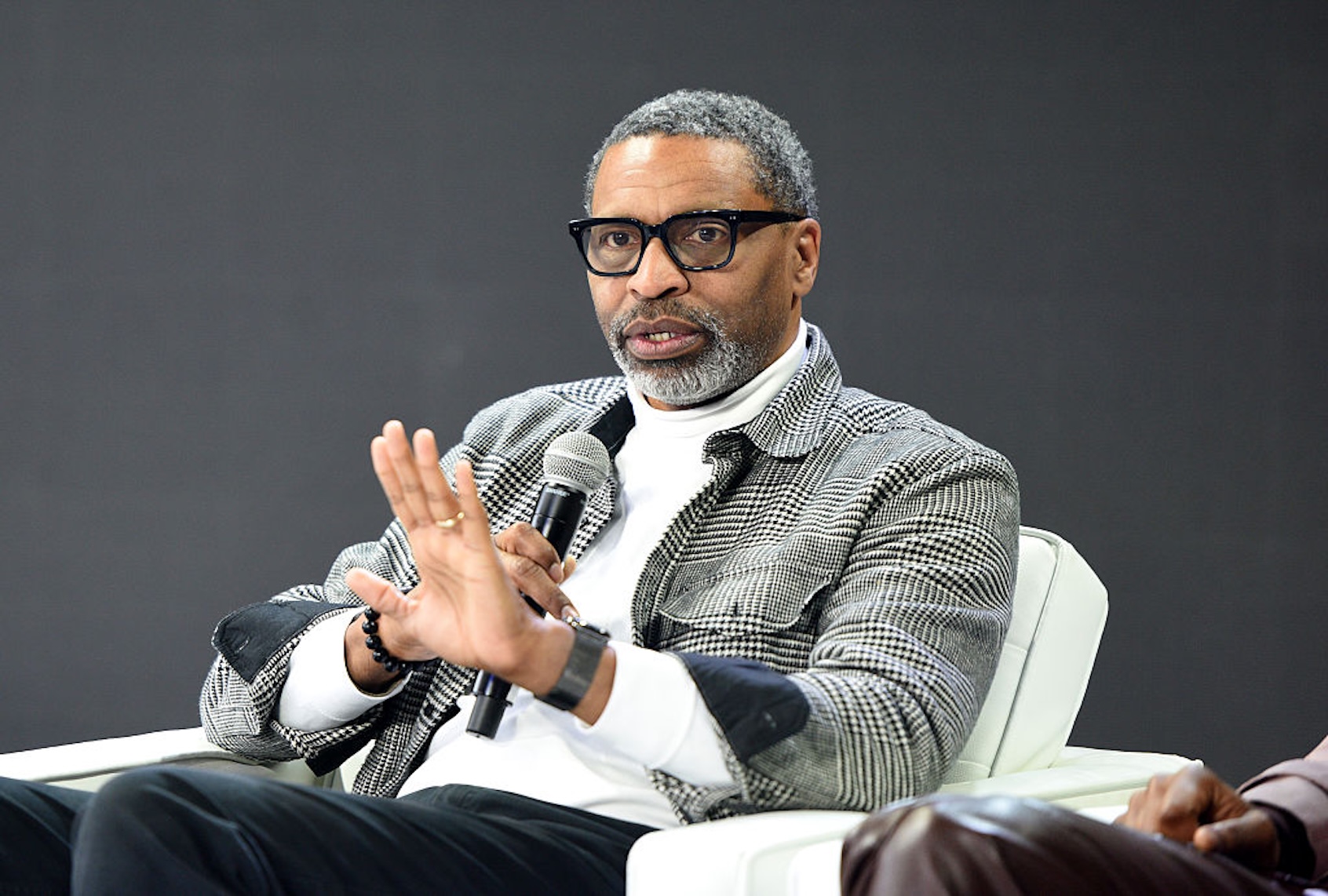
The NAACP’s president and CEO, Derrick Johnson, recently addressed the growing threats to American democracy posed by the Trump administration. He highlighted how the current political climate reflects a systematic effort to undermine the legacy of the Civil Rights Movement and the broader struggle for racial equality. Johnson’s remarks coincide with a somber Black History Month, emphasizing a crucial moment for civil rights advocacy.
Johnson articulated that the administration’s actions appear aimed at reversing decades of progress, potentially returning the nation to an era reminiscent of the Gilded Age. He noted that the slogan “Make America Great Again” resonates with a desire to revert to a time when racial inequalities were more pronounced. This climate of regression, he argued, poses both a challenge and an opportunity for those who support democratic ideals.
In discussing the current state of affairs, Johnson stated, “It is 2026 on the calendar, but it feels like we are in some alternate universe.” He pointed out that despite advancements in technology, such as artificial intelligence, these tools are often misused to restrict freedoms and manipulate societal narratives. This misuse of technology serves as a distraction from the realities faced by many Americans.
The intersection of race and class remains a central issue in understanding the current political landscape. Johnson emphasized that race is often employed as a tool of division, distracting from the economic struggles faced by all working-class individuals. He remarked, “If you can sell a narrative to white Americans that the reason why they’re struggling is because of Black and brown people… you are moving them to make decisions that will actually harm them too.” This ongoing manipulation serves to maintain the status quo, affecting both Black and white communities adversely.
As tensions rise, Johnson outlined the precarious nature of being American today. He cited instances in Minneapolis where citizens face unwarranted searches and violence from federal authorities, underscoring the urgent need for vigilance in protecting constitutional rights. He asserted, “The Constitution applies to everyone. Due process and equality under the law apply to everyone in this country, regardless of their immigration or citizenship status.”
The NAACP is actively working to mobilize voters ahead of the upcoming elections, recognizing the importance of African American participation in shaping the political landscape. Johnson noted that while African Americans constitute approximately 13% of the population, their voting turnout was only 11% in the last major elections. Increasing voter turnout is essential for ensuring that their voices are heard in the political process.
Looking ahead to the 2024 elections, Johnson stressed the need for community engagement and education to empower voters. The NAACP is also utilizing legal avenues to defend voting rights and protect the constitutional rights of all individuals. Recent actions by the Trump administration, including efforts to challenge election integrity, highlight the urgency of these initiatives.
In Minneapolis, the legacy of police brutality, epitomized by the killing of George Floyd, has become a rallying point for civil rights advocates. Johnson expressed hope that the activism sparked by these events would lead to greater awareness among white Americans regarding systemic injustices faced by Black communities. He pointed out that when people are confronted with the realities of injustice in their own neighborhoods, the issue becomes more tangible.
Johnson encouraged those involved in protests to remain steadfast. He stated, “Please stay the course. It is their community today, and it could be your community tomorrow.” He underscored the importance of solidarity in the fight against oppression, emphasizing that everyone has a role to play, whether on the front lines or in supportive capacities.
As the nation grapples with the challenges posed by rising authoritarianism, Johnson remains optimistic about the resilience of American democracy. He likened the struggle to a marathon, emphasizing the need for perseverance and collective strength. “We have to build up the confidence of Americans across all of our communities that they actually do have agency and power to effect positive change,” he asserted.
Reflecting on the significance of Black History Month, Johnson highlighted the achievements of Black Americans and the imperative to draw inspiration from past victories. He noted, “As dim as things seem now in America, Black America is a victorious community.” This perspective serves as a reminder of the ongoing struggle for justice and equality in the face of adversity.
Johnson’s insights not only underscore the current threats to democracy but also inspire hope for a future where the ideals of the Civil Rights Movement can be fully realized. As the nation approaches critical elections and confronts its past, the call for unity and active participation in the democratic process remains more crucial than ever.