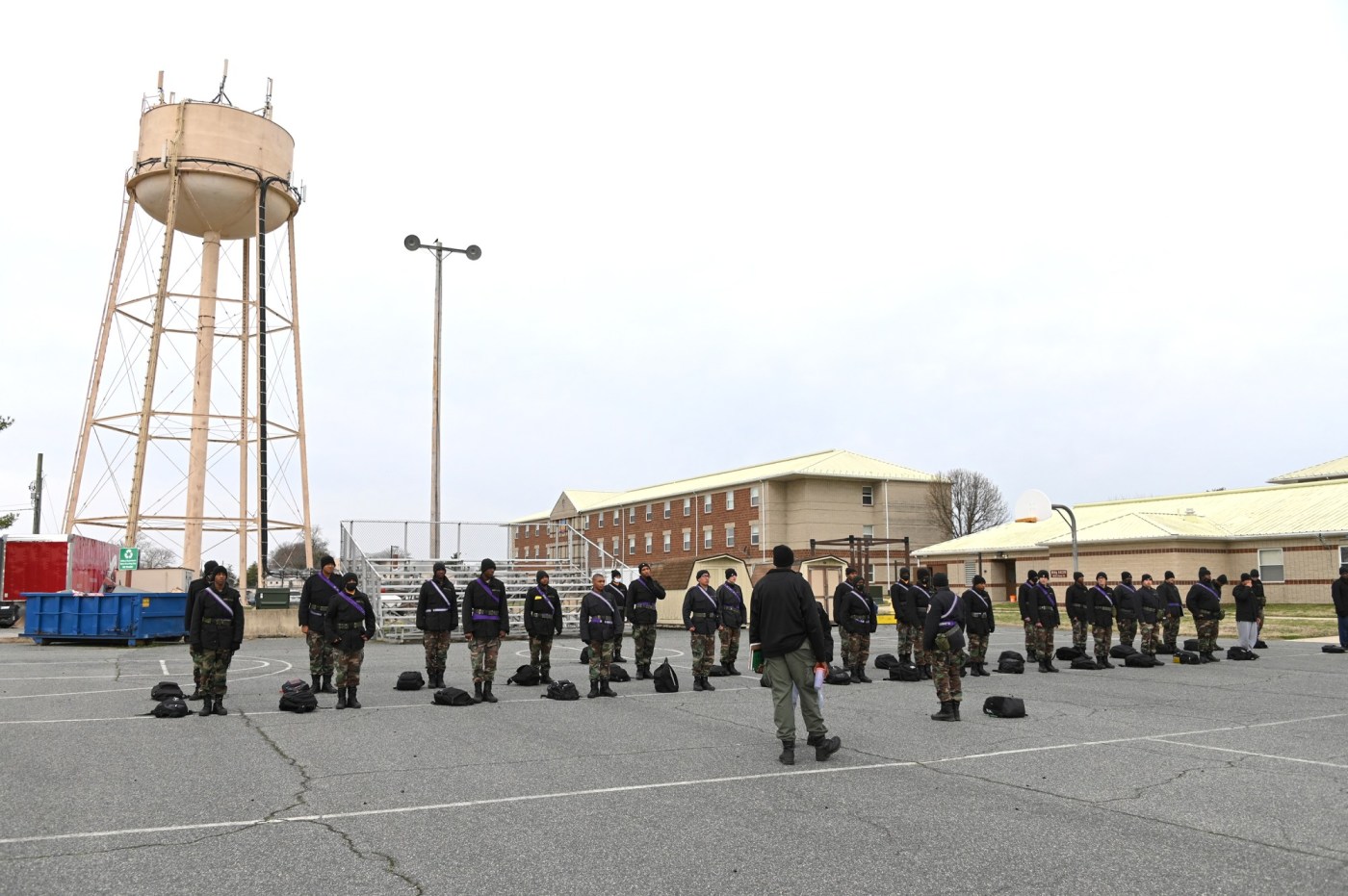
Current and former lawmakers from both major political parties in Maryland are calling for accountability and significant reforms following alarming reports of abuse at the Freestate Challenge Academy. The Baltimore Sun has revealed multiple incidents of staff mistreatment of vulnerable teens over the past six years at this state-run camp for at-risk youth, which is overseen by the Maryland National Guard.
Investigations by The Sun, including internal reports and disciplinary records, indicate that there were at least 14 violent incidents involving cadets since 2019. Disturbingly, nine of these incidents involved staff members who were responsible for the welfare of the teens. Following these revelations, Sen. Angela Alsobrooks, a Democrat, emphasized the urgent need for the program to acknowledge its failures and ensure the safety of its cadets moving forward.
Despite previous dismissals of violent staff, the pattern of abuse has persisted, with reports of staff members physically assaulting, humiliating, and even encouraging cadets to harm one another. Two staff members were terminated and subsequently charged for allegedly facilitating an after-hours “fight club,” where they encouraged cadets to engage in physical violence. One of the dismissed staff, Marcus Lisbon, has filed a lawsuit claiming wrongful termination, asserting he participated in this abusive environment.
Concerns regarding inadequate staff training have been raised by youth advocates and experts in adolescent psychology. Another former staff member, Michael Roundtree, wrote an accusatory letter to Adjutant Gen. Janeen L. Birckhead, expressing that the lack of proper training contributed to a culture of violence and unprofessional behavior among the staff. He stated, “Without having the proper training in policy and procedure, I was left to model myself after the example of my leadership.”
The implications of these findings are significant. Former Governor Bob Ehrlich remarked, “When these things fail, they fail the victims in three ways. It’s a bad investment of taxpayer dollars, and you’ve failed these kids. You’ve made them worse and you’ve made the streets more unsafe.” He highlighted the broader societal issues linked to such programs, including troubled families and failing schools.
Current Governor Wes Moore has not yet commented on the allegations or on potential reforms regarding staff training and hiring practices. The Freestate facility was closed in September following an inspection that deemed it inadequate for housing the teens, with plans for renovations before reopening.
Leaders both past and present stress that meaningful changes must occur before the camp resumes operations. Sen. Chris Van Hollen echoed these sentiments, urging the National Guard to strengthen hiring and training protocols prior to reopening. “I have been deeply troubled by reports that call into question the ability of Freestate Challenge Academy to provide its cadets with a quality education in a safe environment,” Van Hollen stated.
The Maryland Military Department has declined to disclose specific training programs for staff working with adolescents or the qualifications required for these positions. Chazz Kibbler, Public Affairs Manager for the Maryland Military Department, asserted the commitment to maintaining a safe environment for participants in the Freestate program, stating, “We take seriously any allegation of misconduct and acted quickly and appropriately whenever concerns were brought to our attention.”
The federal Challenge program, which is operated at no cost to attendees, was established in 1993 with funding from the Department of Defense. Each state’s National Guard oversees its own academy, with governors acting as commanders-in-chief.
In light of the abuse allegations, Del. Lauren Arikan, a Republican representing the district housing Freestate, plans to share The Sun’s reporting with local schools, urging them to reconsider recommending the program. She emphasized the importance of understanding the training provided to staff and the measures being taken to prevent future abuses.
A former cadet, Nathanael Royal, recounted a traumatic experience at the academy, revealing he was attacked by peers during the night, despite staff awareness of prior incidents. Royal’s father provided evidence of his son’s injuries, highlighting the severe risks posed to cadets in such an environment.
As the Maryland National Guard prepares for the potential reopening of Freestate, the focus remains on ensuring that the necessary reforms are implemented to protect the well-being of its young participants. The demand for accountability continues to grow, with many calling for a thorough reassessment of the program’s operational policies and staff management practices.