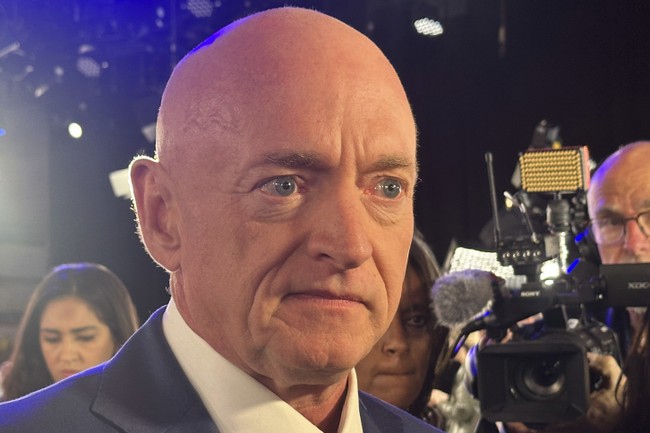
Democratic Senator Mark Kelly has modified his stance regarding assertions about illegal military orders following significant backlash. Initially, Kelly claimed that Secretary of War Pete Hegseth approved unlawful orders that led to the death of two individuals involved in drug trafficking. This statement, made during a media appearance, sparked discussions about the implications of military actions under the Trump administration.
On December 2, 2025, Kelly stated that members of the military had received “clearly unlawful, illegal orders” under President Donald Trump. In light of the growing controversy surrounding these accusations, he has since taken a step back, emphasizing his desire to wait for a thorough investigation and review the video evidence before forming a definitive opinion.
“I’m not going to prejudge this,” Kelly remarked on December 7, indicating his intention to consider all available information before making further comments. This shift has led to criticism from various quarters, with some claiming that his earlier statements reflect a predetermined judgment rather than a fair assessment of the situation.
The narrative surrounding Kelly’s statements has attracted attention on social media, with users expressing skepticism about his motivations. Critics have likened his approach to tactics previously utilized by other political figures, suggesting a pattern of making bold assertions before retracting them when faced with scrutiny.
In the midst of this, some commentators have drawn parallels to historical instances where similar claims were made without thorough evidence. The ongoing discourse reflects broader concerns about the political landscape and the role of military conduct in shaping public perception.
In addition to Kelly’s remarks, other Democrats have also made strong statements regarding military actions, including accusations of “war crimes” and “murder.” These comments have heightened tensions and raised questions about the appropriateness of military orders and their execution in complex operational environments.
The implications of these discussions extend beyond individual political careers, touching on critical issues regarding military ethics and accountability. As the narrative continues to evolve, it remains to be seen how this will impact not only Kelly’s political standing but also the broader discourse surrounding military interventions and political accountability in the United States.
As Kelly navigates this contentious issue, he faces pressure from both his constituents and the national political environment. The outcome of this situation could significantly influence his future ambitions, particularly as some speculate about his potential presidential aspirations.
With the ongoing scrutiny of military actions and the political ramifications intertwined, the story is evolving rapidly, and further developments are anticipated.