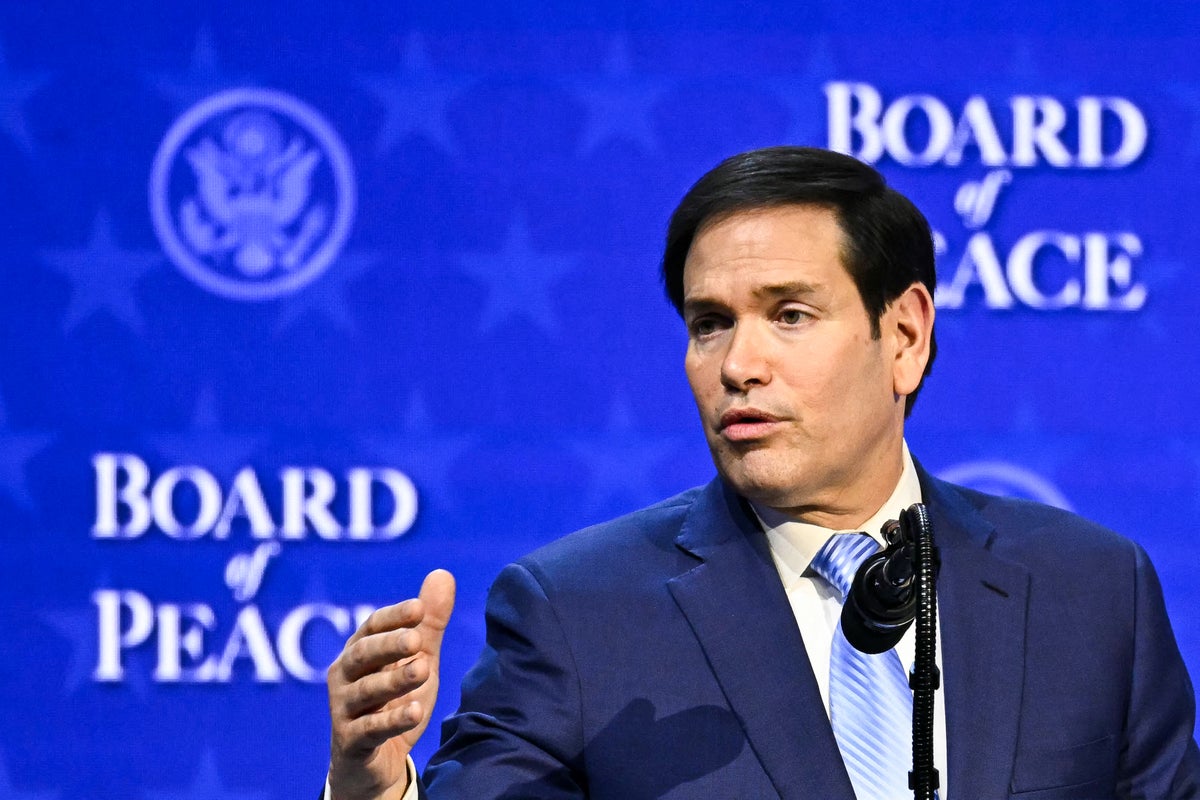
Documents recently unsealed by a federal judge reveal that Secretary of State Marco Rubio personally authorized the arrest and deportation of five international student activists advocating for Palestinian rights. This information is part of a legal case challenging the actions of the Trump administration, which has faced accusations of targeting campus activists in what has been described as an unconstitutional campaign.
The release of the documents follows a lengthy legal battle, culminating in a ruling by District Judge William Young. He concluded that officials, including Rubio and Homeland Security Secretary Kristi Noem, participated in an “unconstitutional conspiracy” that violated the First Amendment rights of students and faculty. The judge emphasized that their actions, which included threats to revoke visas and detain activists, were unlawful.
Among the documents is evidence indicating that Rubio directed officials to take immediate action against several prominent figures, such as Mahmoud Khalil from Columbia University. This directive came before the students’ arrests last year. One senior diplomat cautioned Rubio that targeting these individuals could lead to significant legal repercussions, given that their actions were closely linked to protected speech under the First Amendment.
A memo concerning Mohsen Madhawi, a green card holder arrested during a citizenship interview in April, highlighted potential judicial scrutiny regarding the legality of his deportation. It noted that courts might view the government’s justification as inadequate, given its connection to free speech rights.
The unsealed documents also included materials from groups like Canary Mission, which collects information on individuals allegedly promoting anti-U.S., anti-Israel, and anti-Jewish sentiments. The Trump administration had relied on a rarely invoked law from the Red Scare era, allowing the Secretary of State to label noncitizens as deportable based on perceived threats to U.S. foreign policy. Despite this, officials admitted that they found little basis to deport the students aside from their political activism.
Rubio and other officials claimed that the students’ demonstrations against Israel’s military actions in Gaza amounted to antisemitism and material support for terrorist organizations. The accused students and their advocates have vehemently denied these allegations. In public statements, Rubio defended the arrests, asserting that the students’ presence undermined U.S. foreign policy regarding antisemitism. He claimed to have “proudly” revoked numerous student visas in response to campus activism.
Documents reveal that even within the Department of Homeland Security, officials acknowledged a lack of substantial grounds for deportation. An internal memo explicitly stated that there were no findings indicating that the students had provided material support for terrorism or engaged in antisemitic activities.
Following Judge Young’s ruling, which underscored the serious implications of the case, four of the targeted students—Khalil, Madhawi, Rumeysa Ozturk, a PhD student at Tufts University, and Badar Khan Suri from Georgetown University—were released from Immigration and Customs Enforcement (ICE) custody last year. Yunseo Chung, another Columbia student, secured a restraining order that prevented her from being arrested.
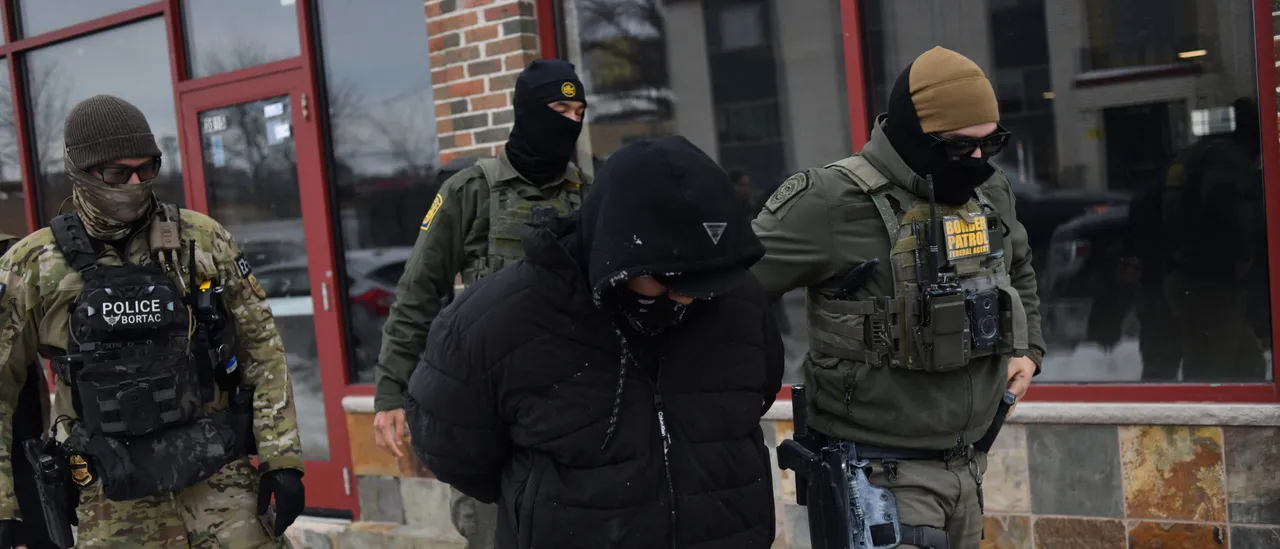
Despite these legal victories, the Trump administration is reportedly pursuing further efforts to detain and deport these students. Recently, officials threatened to deport Khalil to Algeria after a federal appeals court overturned a lower-court decision that had previously released him from ICE custody.
Internal communications from the State Department regarding Ozturk revealed no evidence supporting claims that she had engaged in antisemitic activities or expressed support for terrorist organizations. The Turkish scholar was arrested near her home in Massachusetts in March and spent over six weeks in a detention center in Louisiana following her arrest.
Judge Young, in his closing remarks, expressed his astonishment at the conduct of high-ranking government officials, stating, “I find it breathtaking that I have been compelled in the evidence to find the conduct of such high-level officers of our government conspiring to infringe the First Amendment rights.” He remarked on the profound implications of the case, questioning how government officials could seek to infringe upon the rights of individuals lawfully present in the United States.
In his ruling, Judge Young indicated that any future attempts to deport the plaintiffs involved in the lawsuit would likely be viewed as unlawful retaliation, reinforcing the judicial protection of First Amendment rights in the context of political speech and activism.