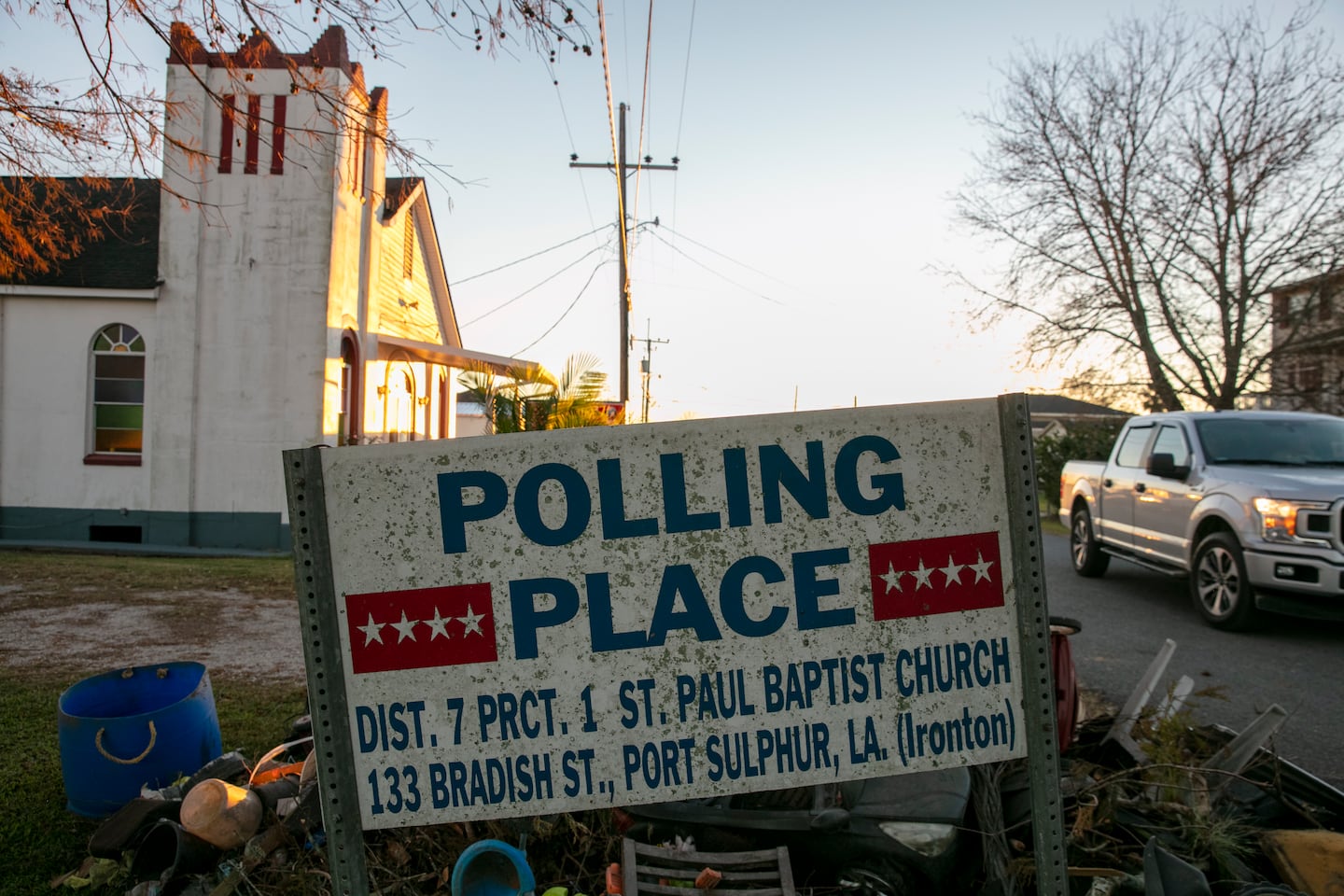
A group of self-identified “non-African American” voters in Louisiana is set to present a legal argument to the Supreme Court on March 24, 2024. They contend that the state’s latest congressional redistricting map should be rejected because it was drawn with race as a primary consideration. This follows a previous federal court ruling that deemed the earlier map unlawfully diluted the votes of Black residents.
The controversy is rooted in Louisiana’s attempts to comply with federal mandates aimed at ensuring fair representation for Black voters. The National Democratic Redistricting Committee successfully argued that the original map, used during the 2022 elections, was unconstitutional as it failed to provide adequate electoral opportunities for the state’s Black population, which constitutes approximately one-third of its residents. Only one of Louisiana’s congressional districts had sufficient Black voters to allow for the election of a candidate favored by them.
Redistricting and Legal Challenges
In response to the federal court’s decision, Louisiana lawmakers drafted a new congressional map that included two districts designated as “opportunity districts” for Black voters. However, this new map has now come under fire from the group of non-African American voters, who argue that its creation was fundamentally flawed because it prioritized race in its design.
“The argument put forth by the plaintiffs seeking the requirement of race blindness, even in the course of remedying racial vote dilution, is not new,” said Marina Jenkins, executive director of the National Democratic Redistricting Committee. “It dates back to the civil rights movement, when opponents of voting rights protections for minority groups used the same argument to oppose addressing racial discrimination.”
The Supreme Court has previously indicated its skepticism regarding the racial components of the Voting Rights Act. Notably, in 2013, the Court invalidated the preclearance requirement, which mandated states with histories of racial discrimination to seek federal approval before changing their voting laws. This trend continued in 2021, when the Court made it more challenging to bring cases of electoral racial discrimination.
A Complicated Legal Landscape
Now, Louisiana officials find themselves in a precarious position. They face the possibility of lawsuits from both sides: one alleging racial voter dilution if they keep the new map, and another claiming racial discrimination if they discard it. Louisiana has requested the Supreme Court’s assistance in resolving this legal dilemma.
As the case approaches its hearing date, the implications for voters in Louisiana remain significant. The outcome could set a precedent for how race is considered in congressional redistricting across the United States. The stakes are high, and both sides are preparing to make their case before the justices.
In this complex legal battle over redistricting, the implications extend beyond Louisiana, potentially influencing electoral processes nationwide. As the Supreme Court prepares to hear the arguments, observers are keenly aware of the broader impacts on voting rights and representation for minority communities.