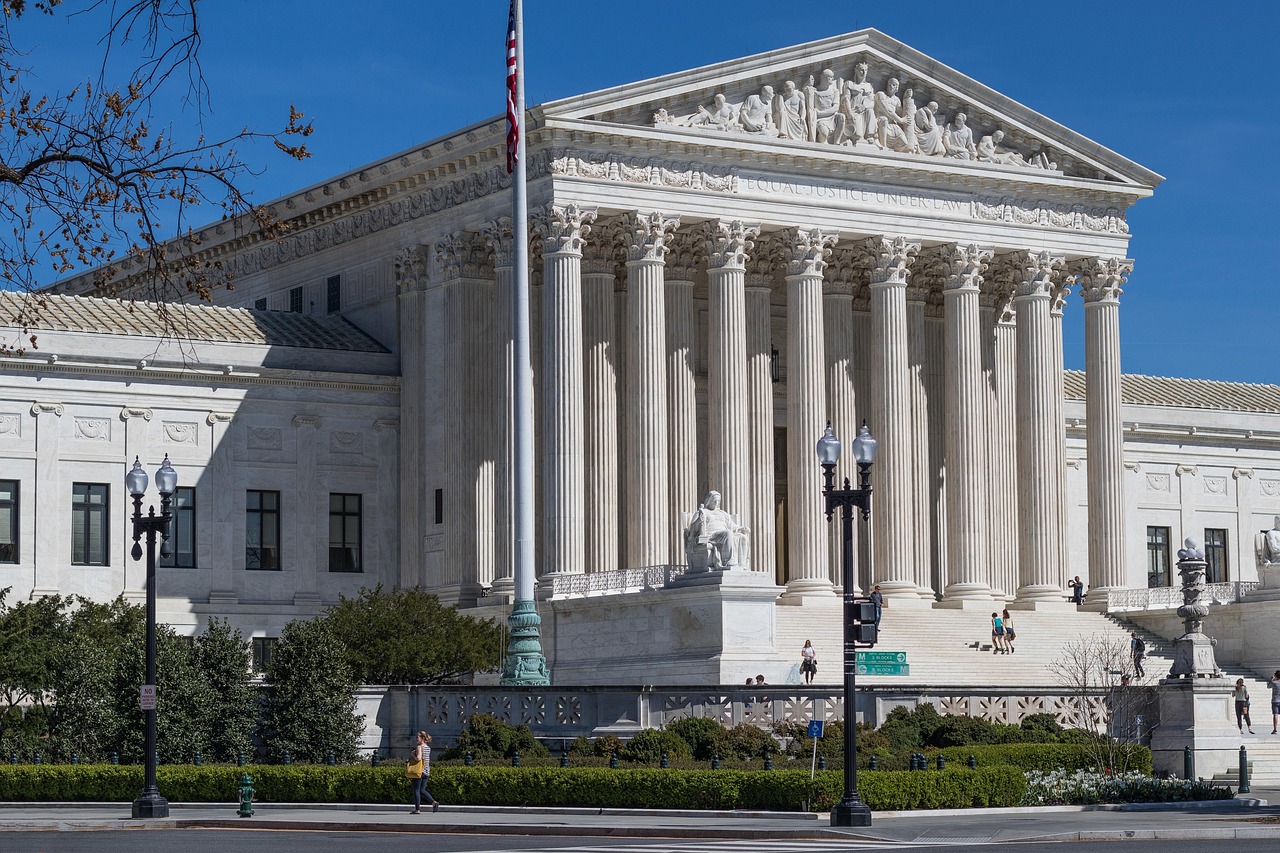
The Supreme Court is currently deliberating a pivotal case concerning the circumstances under which individuals can relinquish their rights through a plea agreement. This case, which involves Munson Hunter, is particularly significant for Justice Ketanji Brown Jackson, who has long been a critic of plea bargaining practices. Notably, her college thesis from 1992 critically examined these very practices, making her perspective particularly relevant as the Court evaluates the implications of this legal issue.
The case originated in February 2024 when Hunter entered a guilty plea for aiding and abetting wire fraud. He did so under a written plea agreement that included a waiver of nearly all his rights to appeal his sentence. Three months later, Hunter was sentenced, yet he raised objections to a condition requiring him to take mental health medication during his supervised release. The district court assured him that he had the right to appeal, stating, “You have a right to appeal. If you wish to appeal, [your counsel] will continue to represent you.”
However, confusion arose when the prosecutor did not contest the judge’s statement, leading Hunter to believe that he could challenge the conditions of his sentence. Despite these assurances, the Fifth Circuit dismissed his appeal, citing his appellate waiver and deeming the district court’s assurance legally meaningless. Hunter has since petitioned the Supreme Court for a reversal of this ruling.
As arguments unfold, Justice Jackson may reflect on her thesis, which highlighted the inherent power imbalances in plea negotiations. One critical question raised is whether Hunter was genuinely given an opportunity to negotiate his rights or was coerced into surrendering them. Scholars often debate whether a proposal represents a threat or an offer based on its impact on an individual’s situation. Jackson’s thesis posited that the distinction between an offer and a threat is often blurred, complicating the evaluation of plea agreements.
To illustrate this ambiguity, Jackson referenced a scenario proposed by philosopher Robert Nozick: If one person is drowning and another refuses to help unless a substantial payment is promised, is that person making an offer or issuing a threat? This scenario encapsulates the coercive nature of plea deals, which can place defendants in dire positions where the consequences of refusing a plea deal may be catastrophic.
In Hunter’s case, the prosecution offered a reduced sentence in exchange for a guilty plea. The stark contrast between a potential lengthy sentence without parole and a plea deal that results in a ten-year prison term raises questions about coercion. The defendant’s vulnerable situation creates significant pressure, which can transform an offer into a threat.
The role of judges in this dynamic cannot be understated. They may inadvertently influence plea negotiations by indicating that defendants who plead guilty will receive lighter sentences. In some instances, judges have even denied bail or manipulated scheduling to disadvantage defense attorneys. Jackson’s research indicated that while judges are generally prohibited from overtly swaying plea negotiations, such practices occur frequently.
Defense attorneys also contribute to the coercive framework surrounding plea deals. They may present options in a biased manner, neglect to advocate for better terms, or fail to inform clients of critical information, such as the possibility of concurrent sentences. Jackson’s thesis pointed out that many individuals in the justice system prioritize efficiency and conformity over pursuing true justice, leading to what she termed “assembly line justice.”
Despite the challenges highlighted in her thesis, Justice Jackson has remained steadfast in her belief that the legal system should strive to eliminate coercive practices. In her 1992 thesis, she urged for a commitment to eradicating unnecessary forms of pressure within the justice system. Now, as a Supreme Court Justice, her approach to Hunter’s case may reflect her conviction that “the hand of oppression” must be lifted.
As the Supreme Court considers the implications of this case, the intersection of Justice Jackson’s academic insights and her current role on the bench could play a crucial part in determining the future of plea agreements and the rights of defendants in the United States.