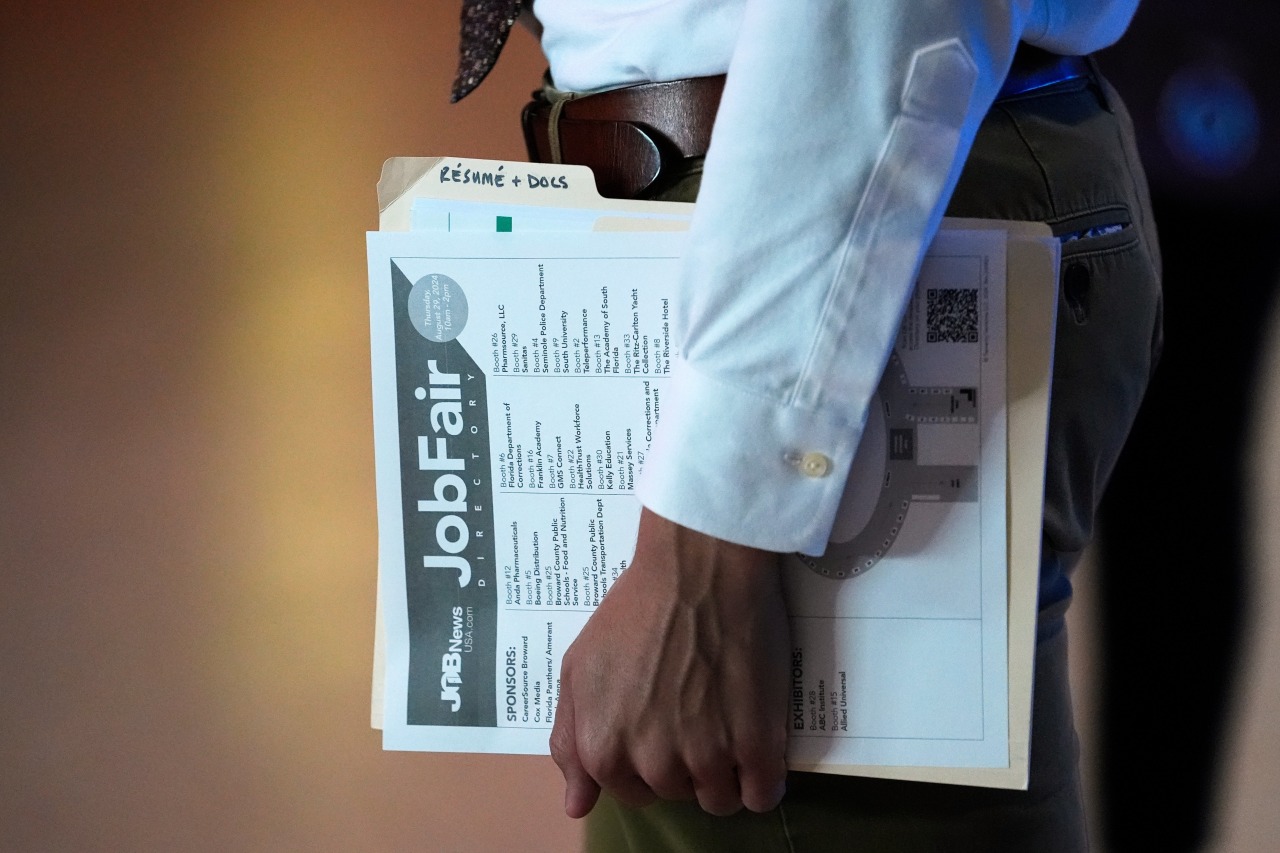
The unemployment rate in the United States has seen a notable increase during the presidency of Donald Trump, prompting discussions about its historical context and implications. As reported by the Wall Street Journal, rising joblessness has occurred under similar circumstances in past administrations, often accompanied by significant economic challenges.
In recent updates, political strategist Susie Wiles has emerged as a key figure, indicating potential shifts in the political landscape as the Federal Reserve prepares for its next moves. Speculation surrounding the identity of a new candidate for the Federal Reserve has intensified, highlighting ongoing concerns about the economy and monetary policy.
The Pentagon has also made headlines, with Pete Hegseth revealing that it will not be releasing the video footage of a controversial boat strike that occurred on September 2. This decision raises questions about transparency and accountability in military operations, further fueling public interest and debate.
Historical Context of Rising Unemployment
The current increase in joblessness under Trump’s administration is not without precedent. Historical data shows that economic downturns often correlate with rising unemployment rates, creating challenges for both the government and the workforce. Analysts are drawing parallels to previous administrations that faced similar hurdles, including the necessity of policy adjustments to curb rising unemployment.
The Federal Reserve plays a crucial role in this context, as its decisions can significantly impact economic stability. Investors and economists are closely monitoring the situation, anticipating how changes in leadership within the Federal Reserve may influence monetary policy and, ultimately, job growth.
Implications for the Upcoming Election
As the jobless rate climbs, the political ramifications could be substantial. Many analysts believe that economic factors will be pivotal in shaping voter sentiment ahead of the next election. Economic performance often influences the electorate’s mood, and the current trends could pose challenges for Trump’s re-election campaign.
The emergence of new political figures, like Susie Wiles, suggests that the Republican Party is preparing for a competitive landscape. With the economy in focus, candidates will likely need to address unemployment and job creation strategies directly to resonate with voters.
The decision by the Pentagon not to release footage of the boat strike on September 2 adds another layer of complexity to the political climate. Transparency issues can sway public opinion, especially in an election year, as citizens demand accountability from their leaders.
In summary, the rising jobless rate during Trump’s presidency highlights a significant challenge, reflecting historical patterns that have emerged in past administrations. As political dynamics shift and key decisions are made regarding monetary policy, the implications for the upcoming election are becoming increasingly clear. With the economy in flux, both current and future leaders must navigate these turbulent waters to maintain public confidence and support.