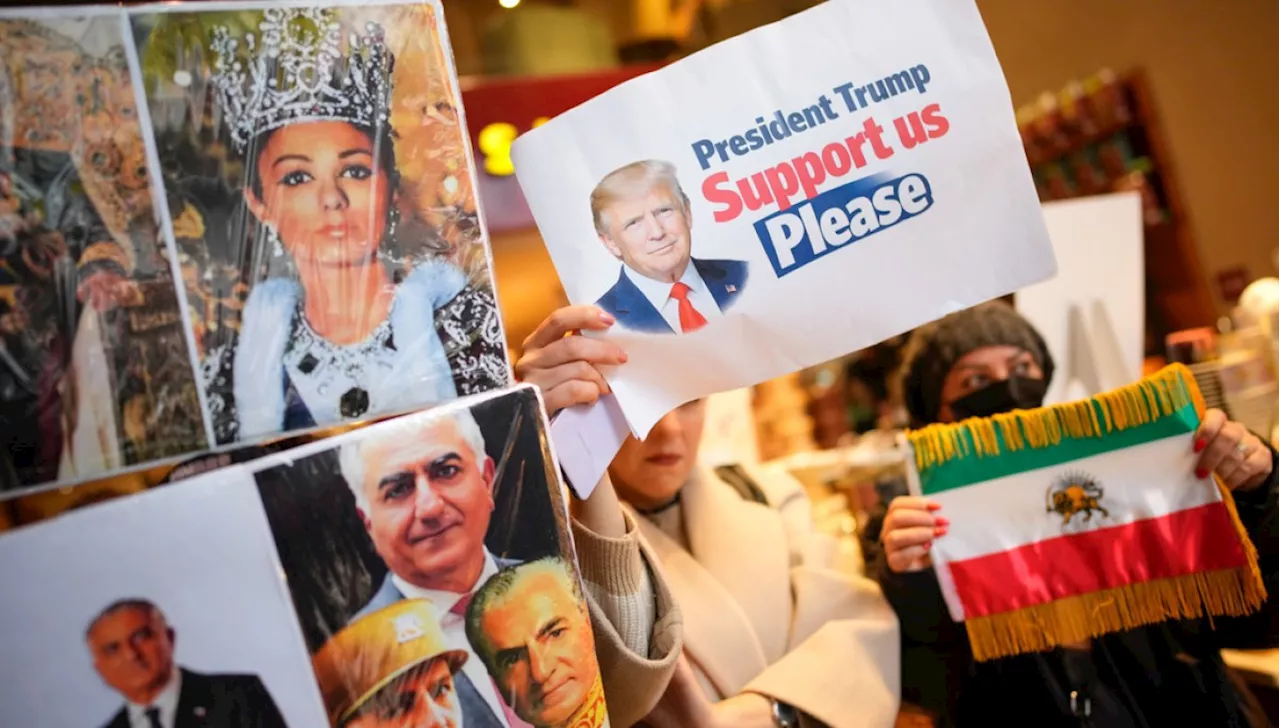
Iran’s crown prince, Reza Pahlavi, has expressed his views on the stark differences in approach between former U.S. Presidents Donald Trump and Barack Obama as well as Joe Biden in garnering support for U.S.-Iran relations. Pahlavi, who currently resides in exile, emphasized that Trump’s tactics are “the total opposite” of those employed by his predecessors.
In an interview with a prominent media outlet, Pahlavi underscored the importance of U.S. support in the context of Iran’s political landscape. He contended that while Obama and Biden focused on diplomatic engagement, Trump’s administration took a more confrontational stance, which he believes has had significant repercussions on Iran’s internal dynamics.
Pahlavi, who has long advocated for democratic reforms in Iran, voiced his readiness to return to his home country. He stated that he would come back “at the first possible opportunity” should the regime led by Ayatollah Ali Khamenei face a significant challenge or be overthrown. His comments reflect a growing sentiment among Iranian expatriates who yearn for political change back home.
The crown prince’s remarks come at a time when tensions between Iran and the United States remain high. Pahlavi criticized the current Iranian regime, calling it a “theocratic dictatorship” and urging the international community to adopt a firmer stance against its policies. He believes that a united response from the West could be pivotal in supporting the Iranian populace’s aspirations for change.
In recent years, Pahlavi has gained visibility in Western media, often advocating for a more robust U.S. policy towards Iran that prioritizes human rights and democratic values. His calls for support resonate with a segment of the Iranian diaspora, who view him as a potential figurehead for a future democratic government.
The former crown prince’s return to Iran is contingent upon significant political upheaval, which many analysts believe is possible given the current dissatisfaction among the Iranian populace regarding economic issues and civil liberties. His potential leadership raises questions about the future political structure of Iran and the role of the diaspora in shaping its destiny.
Pahlavi’s commentary highlights the complex relationship between the United States and Iran, particularly in the context of past and present administrations’ foreign policies. As discussions about Iran’s future continue, the implications of U.S. support will undoubtedly play a crucial role in shaping the political landscape of the region.