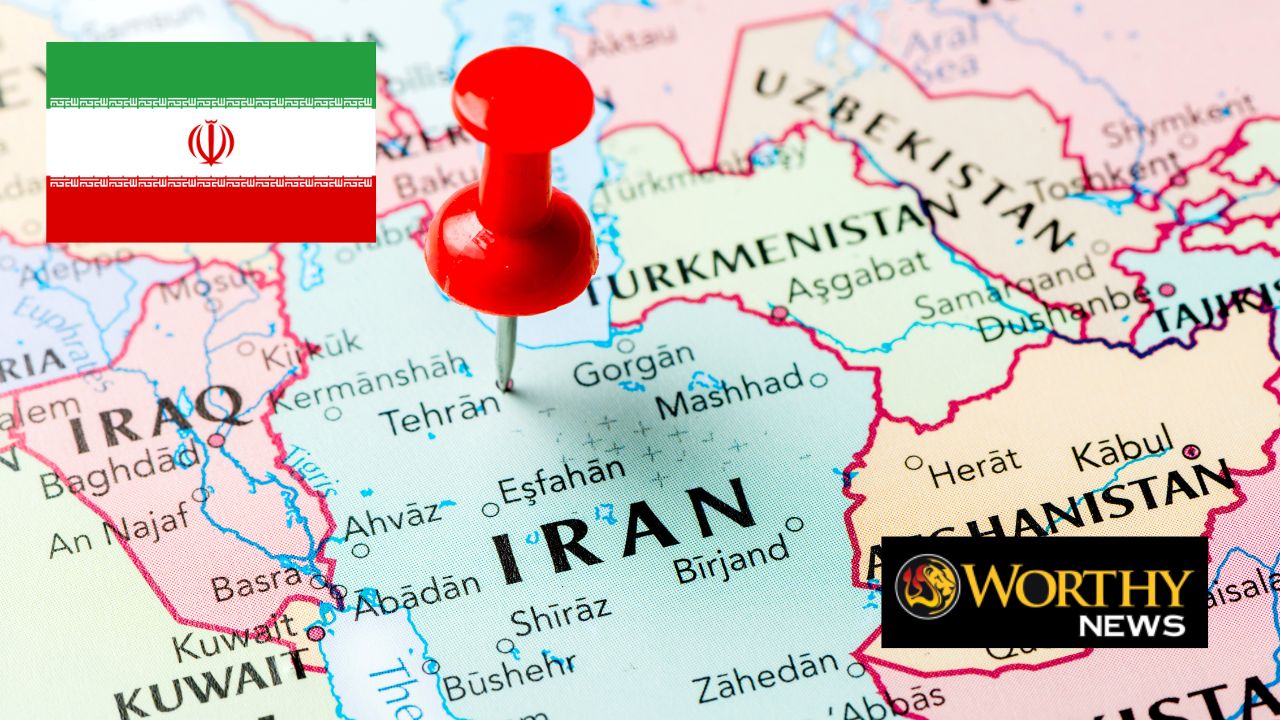
TEHRAN – Iran has declared that its missile capabilities are “non-negotiable” as tensions escalate with the United States. The warning, issued on February 12, 2026, by Ali Shamkhani, an advisor to Iran’s supreme leader, reflects the growing strain between the two nations. His comments were made during a march commemorating the 47th anniversary of the Islamic Revolution, coinciding with a period of unrest within Iran following a deadly crackdown on nationwide protests.
Recent diplomatic efforts included indirect talks between U.S. and Iranian officials in Oman, where communication occurred through intermediaries rather than direct meetings. These discussions aimed to reduce the potential for conflict, even as the U.S. has increased its military presence in the region. Notably, the U.S. has redeployed missile systems on mobile launchers at al-Udeid Air Base in Qatar, a strategic military installation.
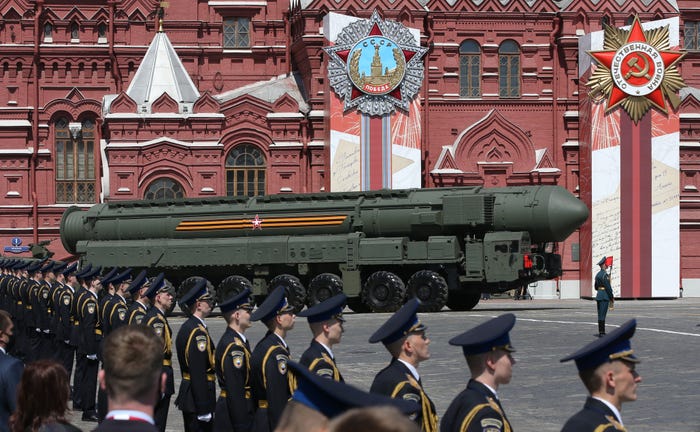
The use of truck-mounted Patriot missile systems enhances the U.S. military’s ability to respond quickly to threats. Analysts have noted that these systems allow for greater tactical flexibility, making them suitable for both defensive and offensive operations.
U.S. President Donald J. Trump has previously threatened military action against Iran due to concerns over its nuclear and ballistic missile programs, as well as its support for armed groups throughout the Middle East. Nonetheless, diplomatic negotiations are ongoing in an effort to avoid a wider conflict.
Iran’s military, specifically the Islamic Revolutionary Guard Corps, has issued warnings that any attack on Iranian territory could trigger retaliation against U.S. forces stationed at various bases across the region, including locations in Iraq, Saudi Arabia, and Kuwait.
In addition to geopolitical tensions, Iran is grappling with domestic turmoil. The Iranian government is facing backlash from a wave of protests that erupted in late December 2025, which have been met with a violent crackdown. According to reports from the Human Rights Activists News Agency, the death toll from the protests has exceeded 7,000, significantly higher than the 3,117 fatalities acknowledged by Iranian authorities. The official narrative attributes many of these deaths to “terrorist operations,” rather than actions taken by the state.
Independent verification of these figures is challenging due to restrictions on media access and reporting in Iran. Human rights organizations have raised concerns about the government’s use of lethal force against largely peaceful demonstrators and the reported killings within medical facilities.
As protests continue and communications within the country remain limited, the international community is closely monitoring the situation. Human rights advocates have highlighted ongoing communications blackouts, which further complicate efforts to verify casualty figures and conditions on the ground.
Despite attempts at diplomacy, including the recent indirect discussions in Oman, there has been little progress. Iran has firmly resisted U.S. and allied demands to incorporate its ballistic missile program into nuclear negotiations, asserting that such capabilities are central to its national defense strategy. The Iranian government views its missile systems as a sovereign right, establishing them as a “red line” that cannot be negotiated.
The ongoing cycle of negotiation and military posturing underscores the deep-seated mistrust between Iran and the United States, with both sides appearing unwilling to compromise on core issues. As the situation develops, the stakes remain high for both nations and the broader region.