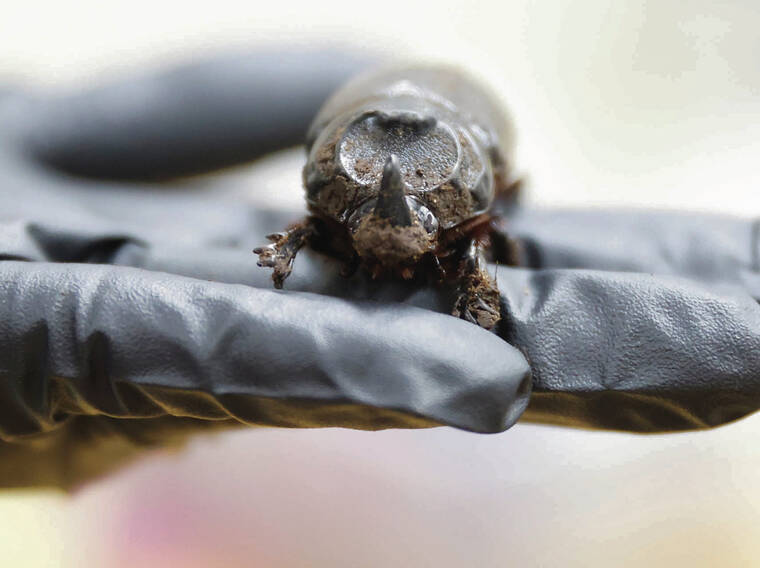
A bill aimed at elevating the status of coconut trees in Hawaii is progressing through the state Legislature. Senate Bill 2925, introduced by Senators Mike Gabbard, Jarrett Keohokalole, and Herbert M. “Tim” Richards III, seeks to recognize the coconut tree as a vital food and water source as well as a cultural treasure. This legislative effort arises in response to the devastating impact of the coconut rhinoceros beetle, which has affected Oahu’s coconut trees for over a decade.
The infestation of this invasive species has reached a critical level, prompting concerns from local communities and agricultural advocates. Currently, the Department of Agriculture and Biosecurity has suggested few natural remedies to combat the beetle, relying primarily on pesticides. These chemical treatments often render the fruit inedible, particularly for landscape palms, as the agency awaits approval of alternative biocontrol methods.
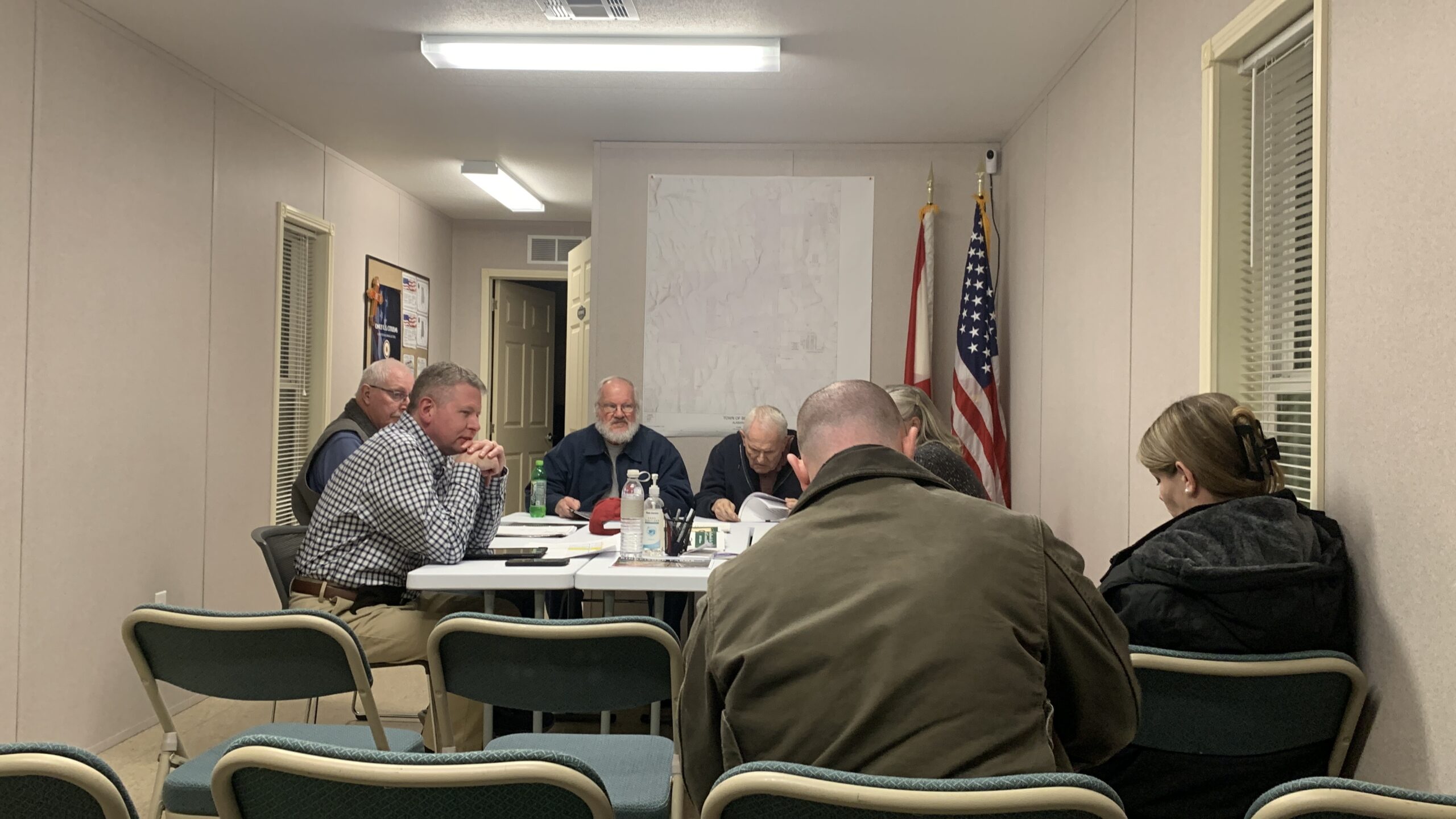
During a Senate Agriculture and Environment Committee meeting on February 11, 2024, organic farmer Daniel Anthony voiced his frustration regarding the Department’s approach. He pointed out that the focus has been on protecting landscape palms rather than coconuts, stating, “The reality is, the Department of Ag hasn’t had a plan to save coconuts; they’ve had a plan to save landscape palms.” Anthony emphasized the need for cultural practitioners and subsistence users to be involved in decision-making processes related to the beetle response, underscoring the unique cultural significance of coconuts in Hawaii.
Strong support for the bill has emerged from various sectors, including environmental groups, farmers, and Native Hawaiian organizations. Community members and Maui County Mayor Richard Bissen also expressed their backing for the initiative. The only opposition has come from the Hawaii Pest Control Association, which has raised concerns that the proposed tax refund for those using natural pest management practices could deter the use of “legally registered, science-based pest control tools.” The association also highlighted potential challenges regarding the requirement for landowners to label trees treated with pesticides.
Initially, the Department of Agriculture and Biosecurity submitted written testimony opposing the bill. However, after the February 11 hearing, a representative stated that the agency had shifted its stance to a neutral position, opting to provide comments rather than outright opposition. The agency affirmed its commitment to “integrated pest management,” which includes the use of pesticides, but noted that it lacks resources to enforce the labeling requirement for treated trees.
Resident Alohi Aea from Kahaluu spoke in favor of the bill at the committee meeting, stating, “What this bill is trying to do is give us some leverage to be able to more effectively, as a community, deal with the coconut rhinoceros beetle.” She emphasized the bill’s importance in fostering community engagement in pest management efforts, a level of involvement that has been lacking in the past.
Following the hearing, Anthony told the Honolulu Star-Advertiser that he remains optimistic about the bill’s potential to become law. “Coconuts are unique, and we all need to sit down and figure out how to manage it together,” he remarked, highlighting the collaborative effort needed to protect this cultural and ecological resource.
As the legislative process continues, stakeholders remain hopeful that Senate Bill 2925 will pave the way for a more effective and culturally sensitive approach to managing the challenges posed by the coconut rhinoceros beetle.