A recent inquiry regarding inheritance distribution has raised questions about family dynamics and fairness in financial matters. A couple, anticipating a small inheritance from a deceased relative, plans to share the funds among their children and grandchildren. However, complications arise due to the inclusion of a stepgrandchild in the equation.
The couple’s son is married to a woman who has a daughter from a previous relationship. The couple wonders whether this child, who they see only a few times a year, should receive an equal share of the inheritance alongside their biological grandchildren. Their uncertainty highlights broader issues of familial relationships and the definitions of belonging within families.
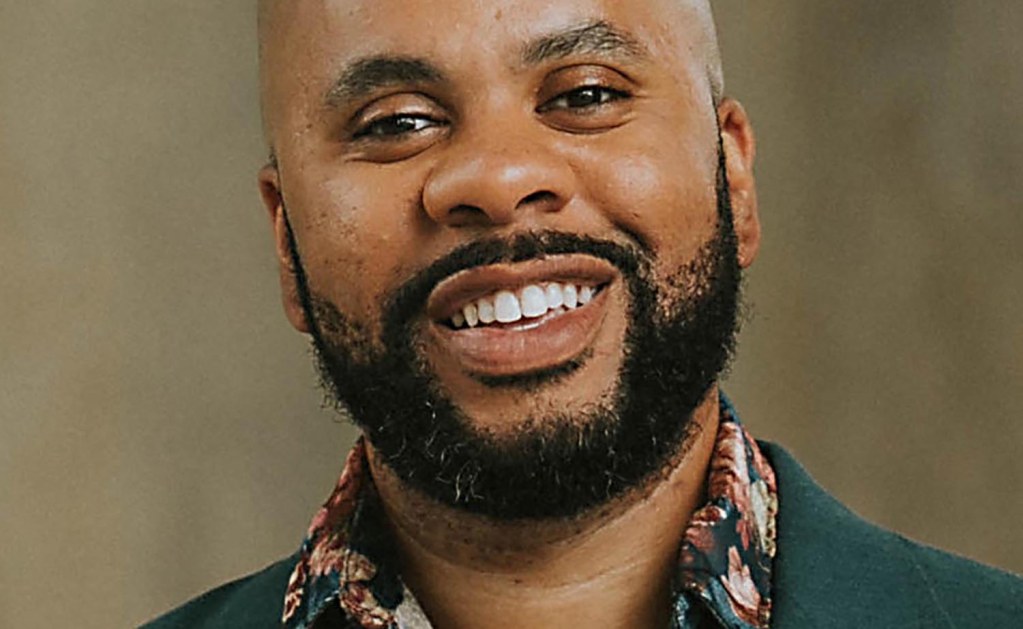
In response to the inquiry, Eric Thomas, a notable advice columnist, emphasized that no one is entitled to the inheritance, regardless of their familial ties. He stated, “The money is yours to do with as you please,” suggesting that the couple should consider how the distribution will affect family dynamics. He pointed out that excluding the stepgrandchild could create unnecessary tension within the family.
When addressing whether the child should be considered a stepgrandchild, Thomas noted that family definitions vary greatly. “Every family defines the terms and contours of their relationships,” he explained. In some families, a stepgrandchild might be viewed as equal to a biological grandchild, while in others, the distinction remains significant.
Additionally, Thomas advised that if the couple wishes to foster a closer relationship with the stepgranddaughter, they should pursue that independently of the financial aspect. He urged that open communication about feelings would be more meaningful than financial gestures, stating, “Money talks but it mumbles.”
In another inquiry, a concerned friend expressed worry over a friend’s declining memory. The friend, who has been laughing off her forgetfulness, raises concerns for her well-being. This situation illustrates the delicate nature of addressing health issues within friendships.
Thomas recommended a compassionate approach, encouraging the friend to discuss her observations with the individual in a nonjudgmental manner. He noted that while it can be difficult to confront someone about their cognitive health, it is essential to approach the topic with empathy. He added that consulting a doctor could provide reassurance or uncover issues that need attention.
Preventive health measures are crucial, especially as individuals age. Thomas highlighted the benefits of early intervention and suggested that a conversation with a healthcare professional could lead to beneficial outcomes.
In a separate note, a reader shared insights from their parents’ experience regarding holiday hosting. Ten years ago, the parents, now in their 70s, conveyed to their children that hosting family gatherings had become overwhelming. They encouraged their children to take turns hosting, a move that was met with understanding and support.
Thomas applauded the parents for their willingness to adapt traditions, stating, “It’s OK for traditions to change.” This flexibility allows family members to contribute in ways that are manageable and enjoyable for everyone involved.
The ongoing dialogue about inheritance, memory health, and family traditions illustrates the complexities of navigating personal relationships in modern society. As families evolve, so too do their traditions and dynamics, often requiring open communication and understanding to foster healthy relationships.
For further inquiries, readers can reach out to Eric Thomas at [email protected] or via his weekly newsletter at rericthomas.com.