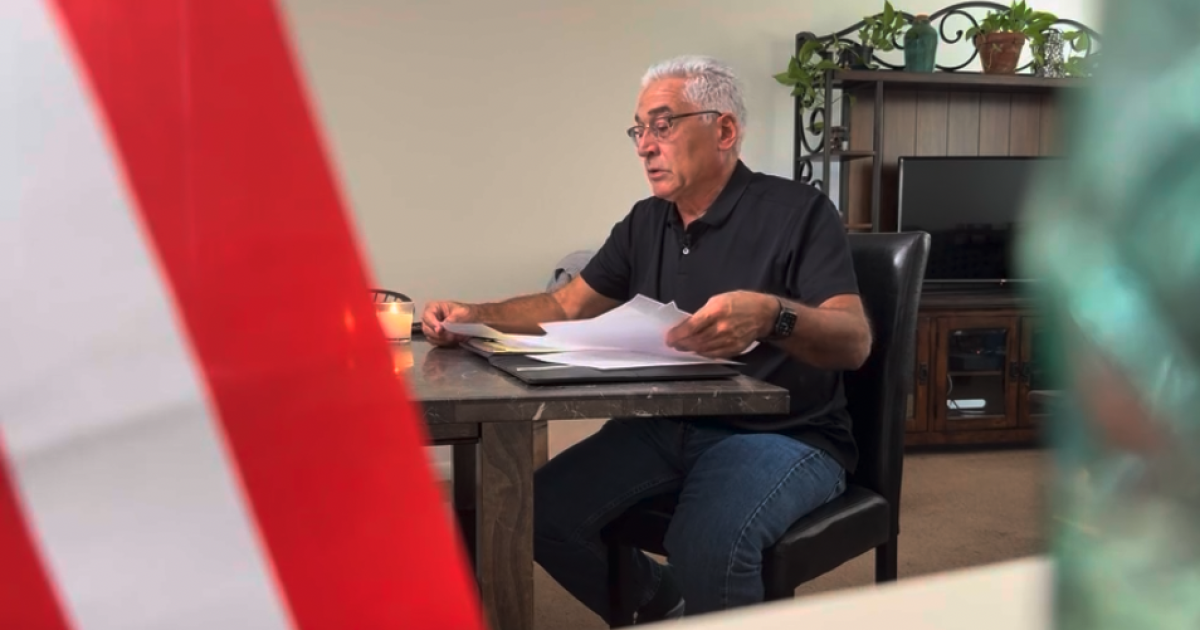
The relationship between MAGA politics and Christian teachings has sparked significant debate, particularly during the terms of former President Donald Trump. In a recent letter to the editor, John Wiercinski of Dickson City expressed his concerns about the apparent contradiction between the values espoused by Christianity and the policies associated with the MAGA movement.
Wiercinski highlights a profound irony: how can those who identify as MAGA Christians reconcile their faith’s core principles—such as love, acceptance, and compassion for the marginalized—with support for policies that many view as discriminatory? These policies include harsh stances on immigration, the treatment of the LGBT community, and issues affecting individuals with disabilities or inadequate access to healthcare.
To explain this disconnect, Wiercinski introduces the concept of “Vertical Morality,” which he refers to as “Ironic Morality.” He argues that for some MAGA Christians, moral guidance is derived from authority figures rather than the teachings of Jesus Christ. In this framework, the authority of a political leader replaces spiritual or ethical guidance, leading individuals to follow policies without critically evaluating their impact on vulnerable populations.
This notion contrasts sharply with the idea of “Horizontal Morality,” which emphasizes the importance of genuine empathy and love towards others. Horizontal Morality encourages individuals to recognize the consequences of their actions on those around them, fostering a sense of responsibility towards the community.
In the spirit of the upcoming Christmas season, Wiercinski calls for a dialogue aimed at bridging the gap between MAGA Christians and the fundamental tenets of Christianity. He suggests that fostering an understanding of these different moral frameworks could help reconcile the apparent contradictions between faith and political allegiance.
As debates around these issues continue to evolve, the challenge remains for individuals to reflect on the values they hold dear and consider how those values align with the policies they support. The conversation around the intersection of faith and politics is vital, especially as communities seek to navigate the complexities of modern governance while remaining true to their beliefs.