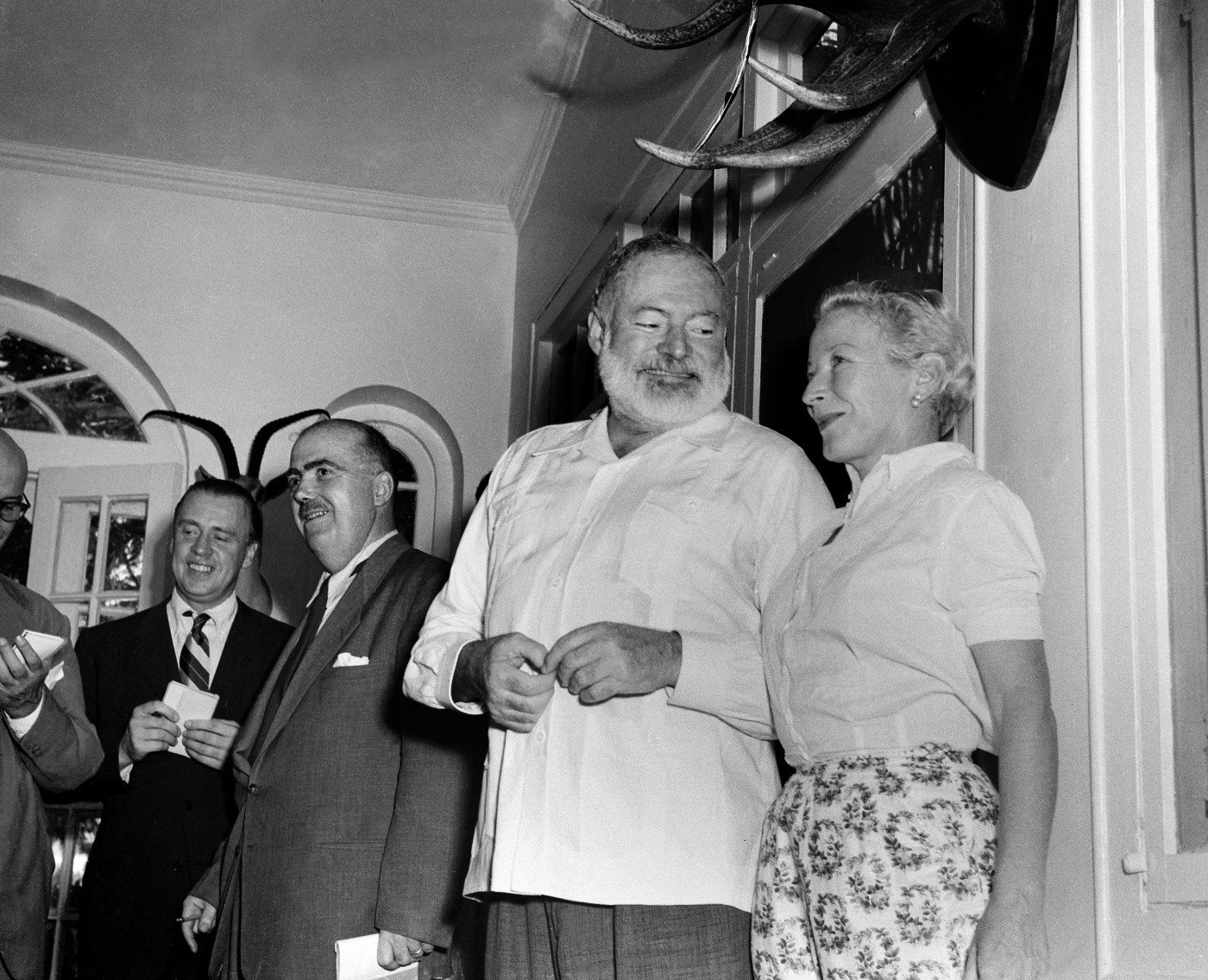
On October 28, 1954, Ernest Hemingway made a remarkable decision shortly after learning he had been awarded the Nobel Prize in Literature. He chose to gift his Nobel Prize medal to the Sanctuary of Our Lady of Charity in Cuba, known as the Virgin de la Caridad del Cobre. This act, occurring on the same day he received the news, reflected his deep connection to the Cuban people and highlighted his complex relationship with the political climate of the country, which was then under the rule of dictator Fulgencio Batista.
Hemingway’s gesture resonates today, especially as discussions around the Nobel Peace Prize continue to circulate, particularly following María Corina Machado‘s presentation of her Nobel Peace Prize to President Trump. The contrast between Hemingway’s humble offering and the current controversies surrounding the Nobel Prize serves as a poignant reminder of the values associated with recognition and generosity.
In her memoir, “How It Was,” Mary Hemingway recounts her husband’s declaration to the Cuban press in Spanish, emphasizing his intent to honor the Cuban people rather than the government. For Hemingway, the Virgin de la Caridad del Cobre represented the spirit and resilience of Cuba itself, a country he had called home for over a decade. He sought to distinguish his love for the Cuban populace from his disapproval of Batista’s regime.
When speaking to the American press, Hemingway reflected on other influential writers who had never received the Nobel Prize, including Mark Twain and Henry James. He expressed admiration for current authors he felt deserved the honor, such as Isak Dinesen, Bernard Berenson, and Carl Sandburg. This act of recognition stood in stark contrast to the approach taken by the current president, who has frequently sought to enhance his own reputation by belittling others.
Hemingway’s narrative in “The Old Man and the Sea” parallels his real-life actions. The protagonist, Santiago, promises a pilgrimage to the Virgin de la Caridad del Cobre if he successfully catches a marlin after enduring an extended streak of bad luck. Hemingway’s own “catch” was the Nobel Prize, and he entrusted the sanctuary to treat his medal with the reverence it deserved, free from commercialization.
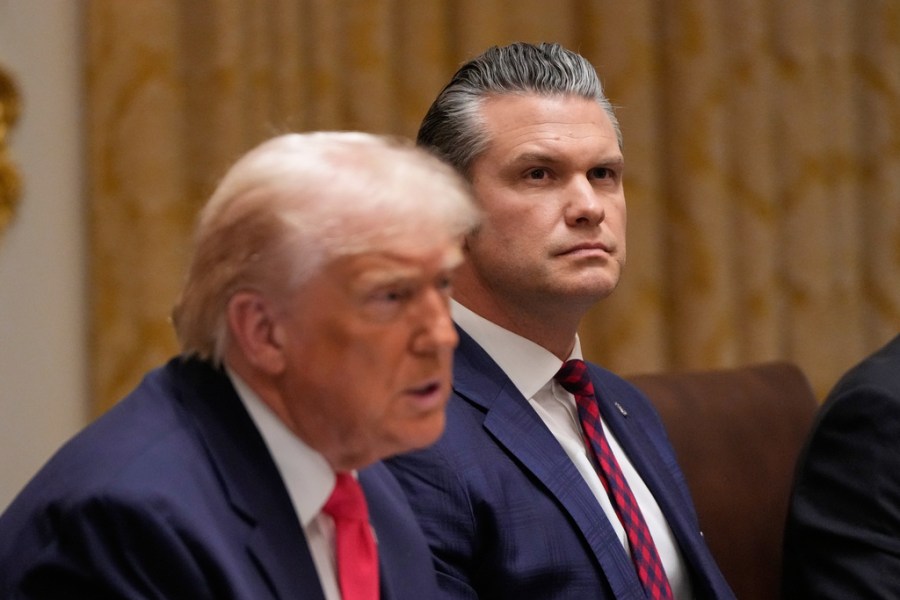
In contrast, Trump’s handling of the Nobel Peace Prize suggests a different ethos. In his meeting with Machado, he proclaimed his entitlement to the accolade, stating on social media, “María presented me with her Nobel Peace Prize for the work I have done.” The Nobel Committee has since clarified that a laureate cannot share or transfer the prize once it is awarded. The committee’s official statement reinforces the principle that the integrity of such honors must be maintained.
As discussions unfold about the implications of these gestures, the lessons from Hemingway’s actions remain relevant. His decision to honor the Cuban people and the sanctuary echoes a deeper understanding of what it means to receive and give recognition. On this Valentine’s Day, reflecting on Hemingway’s example invites a broader contemplation of generosity, respect, and the true spirit of acknowledgment.
As we navigate contemporary challenges, Hemingway’s legacy serves as a reminder of the impact of genuine gestures of love and appreciation in a world often overshadowed by controversy.