As the New Year unfolds, the United States grapples with a significant public health crisis. In 2024, the U.S. suicide rate stands at 15.6 per 100,000 people, ranking as the 26th highest among 183 countries and well above the global average of 9.2. This alarming statistic underscores the urgent need for solutions to address mental health challenges exacerbated by socio-economic and political pressures.
Despite spending approximately $15,000 per capita on health care—more than any other nation—U.S. health outcomes remain disheartening. Life expectancy has declined, with Americans living four years less than their counterparts in comparable countries as of 2019. Today, life expectancy has rebounded to pre-pandemic levels of 79.6 years, but the U.S. still ranks 48th globally, trailing nations like Japan and Australia, which boast life expectancies of 85 years or higher.
The situation is further complicated by the 2025 World Happiness Report, which placed the U.S. at 24th, its lowest ranking since the report’s inception. Experts attribute this decline to increasing political polarization and a lack of social connection, critical factors in the overall well-being of citizens. The Wellbeing Research Centre at the University of Oxford tracks various aspects of happiness, including GDP per capita, social support, and life expectancy.
The disconnect between high spending on health care and poor health outcomes raises important questions. According to the Peterson-KFF Health System Tracker, the U.S. faces challenges like high costs for medical services, obesity, and uneven access to care. Additionally, recent policy changes may result in 17 million people losing their health insurance, as noted by the nonpartisan Congressional Budget Office.
The mental health crisis has intensified in recent years, with mental health providers highlighting an increase in demand for services linked to political discord. Constant exposure to distressing news and social media has contributed to rising anxiety and depression rates. Reports indicate that around 5% of Americans have contemplated suicide due to the current political climate, underlining the need for restorative practices.
Given this backdrop, turning to the natural world offers a viable remedy. Studies consistently demonstrate that exposure to nature can improve mental health. Spending time outdoors may reduce the risk of mental illness, cardiovascular disease, and premature death. Nature encourages curiosity and fosters social connections, especially for children, who benefit from outdoor activities that enhance cognitive and emotional development.
Nature as a Prescription for Well-Being
The lifestyle of many Americans has become increasingly detached from nature. The average individual spends nearly 90% of their time indoors, limiting their exposure to the therapeutic benefits of the natural environment. Engaging with local parks and green spaces can provide essential relief from the stressors of daily life.
For example, Anne Arundel County in Maryland boasts over 140 parks and sanctuaries, covering more than 7,160 acres of recreational land. Parks like Quiet Waters Park and Downs Park offer trails and waterfront access, promoting both physical activity and mental relaxation. Activities such as “forest bathing,” which involves immersing oneself in a natural setting, can lower blood pressure and reduce stress hormones.
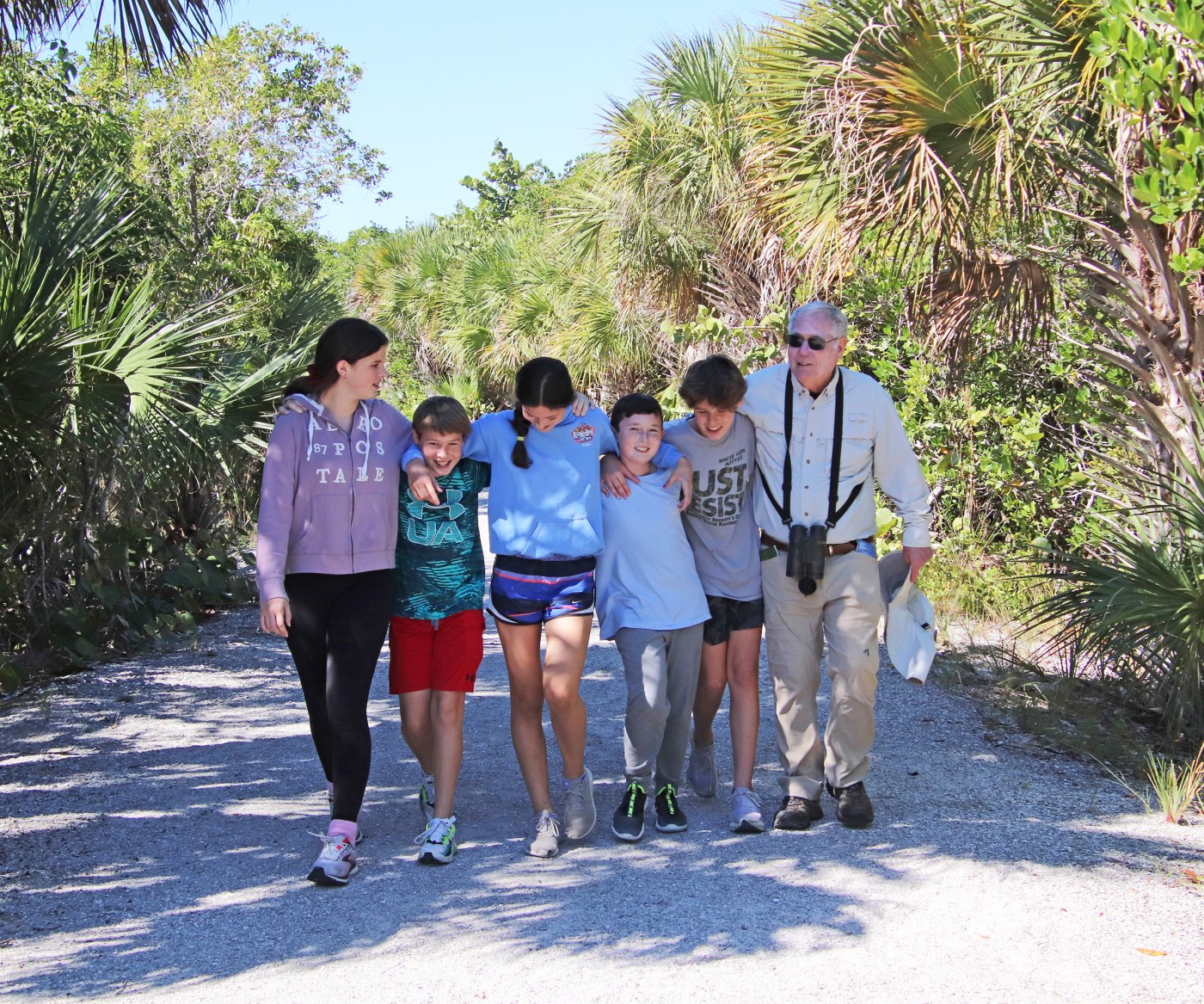
Local community initiatives, like those organized by the Anne Arundel Bird Club, encourage residents to connect with nature and each other. Monthly guided bird walks take place at parks like Quiet Waters and Kinder Farm Park, providing opportunities for social interaction and engagement with the environment. Such initiatives not only promote physical health but also combat feelings of loneliness and isolation, which have become increasingly prevalent.
The urgent call for connection to nature is echoed by the U.S. Surgeon General, who in 2023 issued a health advisory on the epidemic of loneliness and isolation. Approximately 50% of American adults reported experiencing loneliness, which correlates with an increased risk of serious health issues, including cardiovascular disease and depression.
Exploring natural areas, such as the Blackwater National Wildlife Refuge in Cambridge, Maryland, can also offer rejuvenation. The refuge attracts tens of thousands of migratory waterfowl, creating a vibrant ecosystem for visitors to enjoy. Engaging with nature not only serves as a pathway to improved mental and physical health but also facilitates community building.
As individuals seek relief from the pressures of modern life, turning to nature can provide a much-needed antidote. The sights and sounds of the natural world, combined with social interactions fostered through outdoor activities, present a powerful opportunity to enhance overall well-being.
By prioritizing time outdoors and forming connections with local communities, individuals can take significant steps toward combatting loneliness and improving health outcomes. The path to happiness and longevity may well lie in the embrace of nature’s beauty and restorative power.