In a rare display of bipartisanship, Democratic and Republican representatives are joining forces to develop regulations targeting unregulated technological advancements, particularly in the field of artificial intelligence (AI). This collaboration aims to address growing concerns over the rapid expansion of AI and its implications for society.
Formation of Public First
According to a report by the Wall Street Journal, the newly established organization, Public First, will spearhead these regulatory efforts. Republican Representative Chris Stewart and Democratic Representative Brad Carson will co-lead the initiative. Carson emphasized the need for Public First to serve as a “rallying point for a pretty large community of people” advocating for protective measures surrounding AI.
Carson remarked, “This issue is one that transcends party labels,” highlighting the urgency and importance of a collective response across the political spectrum. With rising worries about AI’s potential risks, both parties are taking significant steps to implement safeguards.
State-Level Initiatives
Legislative actions are already underway at the state level. California Governor Gavin Newsom recently signed a bill mandating major AI companies to publish and adhere to safety policies. New York has followed suit with similar legislation, while Republican-led states like Florida are also considering their own regulatory frameworks.
In a parallel effort, a group named Leading the Future has emerged, pledging to allocate $100 million to “reshape the political environment around innovation policy.” This initiative aims to foster a more conducive atmosphere for technological advancement while prioritizing safety and ethical considerations.
Notably, the Super PAC Andreessen Horowitz has committed $25 million in 2025, with plans for an additional $25 million in the following year to support these regulatory efforts. Tech leader and OpenAI co-founder Greg Brockman, who is part of the Leading the Future group, advocates for an “AI centrism,” stressing the importance of thoughtful regulation to unlock AI’s potential for improving quality of life.
Brockman, alongside his wife Anna Brockman, stated, “We believe in AI centrism, which supports thoughtful regulation toward the goal of unlocking AI’s potential to improve quality of life for every person (and every animal).” They argue that most developers and open-source models should face minimal additional regulatory burdens.
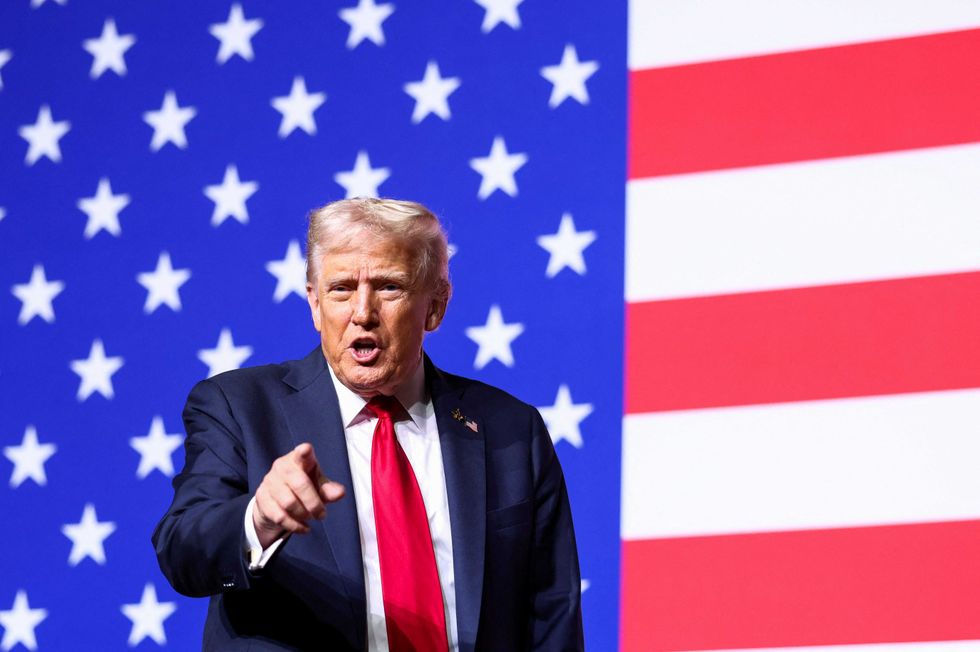
While these efforts gain momentum, broader discussions on technology regulation face obstacles. Recent proposals from the Trump administration regarding sweeping policies on AI and healthcare have been shelved, reflecting ongoing divisions within the Republican Party. Reports from Burgess Everett and Eleanor Mueller of Semafor indicate that the White House’s proposals to extend expiring healthcare subsidies and ban state AI regulations are now in limbo, highlighting the complexities of achieving consensus.
The expiring enhanced Affordable Care Act subsidies have become a particularly contentious issue, illustrating the fractures within the GOP that often align Democrats. As both parties navigate these challenges, the formation of Public First and the initiatives surrounding it signal a significant step towards responsible AI governance.