On March 23, 2024, the tragic shooting of Renee Good in Minneapolis has sparked a heated discussion about the influence of educational institutions on political activism. Good, who was reportedly involved with ICE-Watch, was not just a victim of gun violence but a figure entwined in a larger narrative surrounding the debate on immigration policies and social justice.
Reports indicate that Good and her wife, Becca Good, had just dropped off their son at the Southside Family Charter School before they engaged in efforts to disrupt operations by U.S. Immigration and Customs Enforcement (ICE). This particular charter school, catering to kindergarten through fifth-grade students, emphasizes critical thinking and political activism, with a mission rooted in social justice. Critics argue that such an approach cultivates a mindset that is detrimental to national values.
The Southside Family Charter School has received scrutiny for its academic performance, reportedly ranking below average compared to other educational institutions in the area. Opponents of the school’s mission suggest that its teachings align with the ideologies of political activists like Saul Alinsky and the Cloward-Piven strategy, which advocates for creating chaos to push for social change.
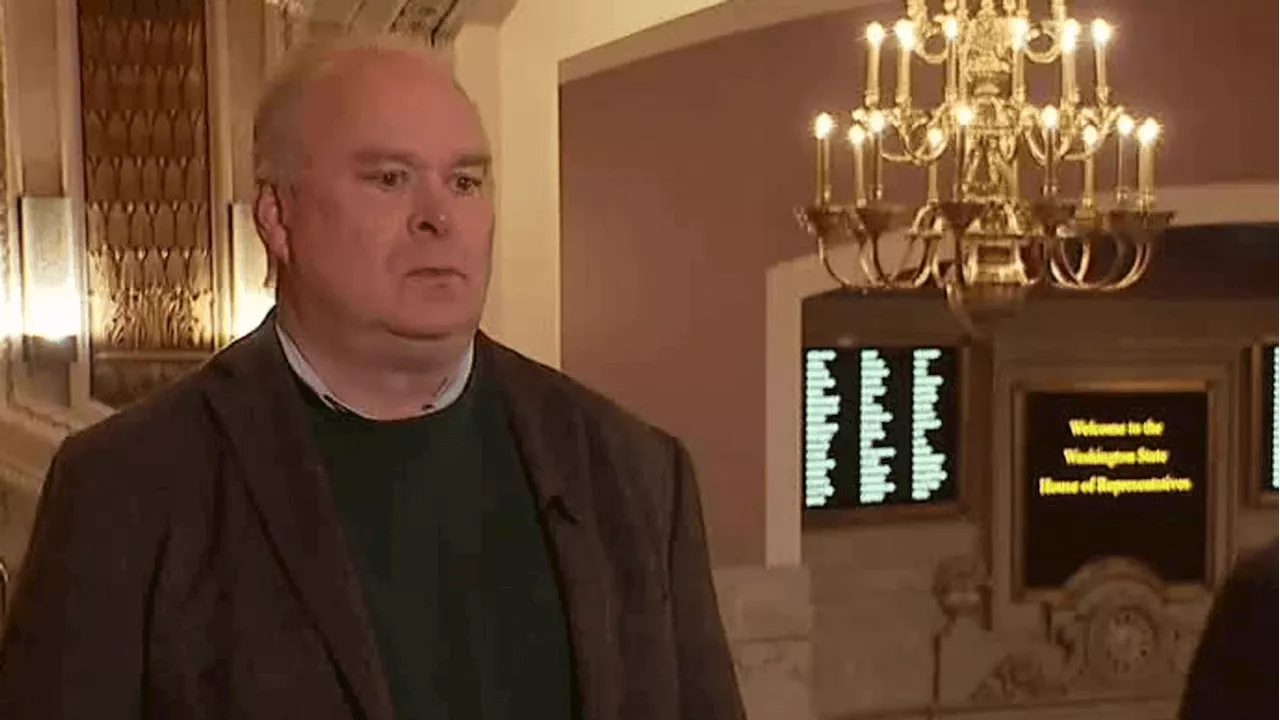
In a statement regarding the incident, local resident Arnold Breitenbach voiced strong criticism of the school, claiming that its educational philosophy fosters anti-American sentiments among children. Breitenbach contended that the school’s curriculum directly contributed to the circumstances leading to Good’s death.
The juxtaposition of Good’s activism and her tragic end has ignited discussions about the role of educational institutions in shaping political beliefs and the potential consequences of such ideologies. As community members grapple with the implications of this incident, the debate over the school’s mission reflects broader national conversations about immigration, social justice, and civic responsibility.
Community leaders and residents are now calling for a closer examination of the influence of schools like the Southside Family Charter School on young minds. The intersection of education, politics, and public safety remains a vital concern in Minneapolis and beyond, as citizens seek to understand the ramifications of activism in their neighborhoods.
As this narrative unfolds, it is clear that the impact of the tragic events on March 23 will resonate within the community for some time, prompting ongoing discussions about the responsibilities of educational institutions and the safety of their environments.