Concerns over political rhetoric and local governance have emerged in recent letters addressed to the editor, highlighting various issues affecting the Dallas community. The responses reflect a growing unease among residents regarding statements from state leaders and the implications for social cohesion and local services.
Community Reactions to Political Statements
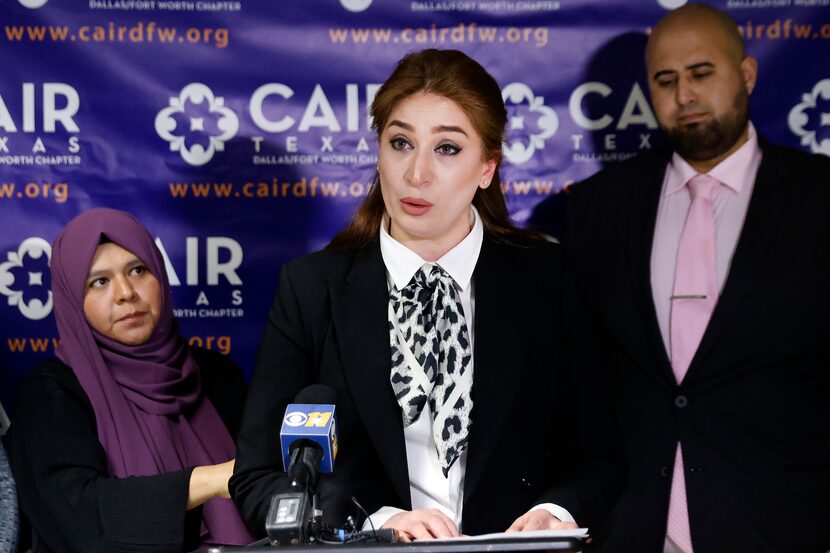
Rev. Ryan Wager, a pastor from Oak Lawn United Methodist Church in Dallas, expressed alarm regarding recent comments made by state leaders targeting the Council on American-Islamic Relations (CAIR) and Muslim communities. He criticized Attorney General Ken Paxton‘s assertion that “America is a Christian nation,” describing it as historically inaccurate and contrary to the core values of Christianity. Wager emphasized that true Christian values are rooted in compassion and justice, not in division.
Governor Greg Abbott‘s labeling of CAIR as a terrorist organization, despite lacking federal authority, has also raised concerns. Wager contended that such rhetoric endangers families and communities, arguing that Muslim Texans contribute significantly as teachers, doctors, and civic leaders. He urged Texans to reject fear-based political tactics and instead embrace unity and shared humanity.
Local Issues and Governance Challenges
Several letters addressed local governance challenges, particularly regarding the Dallas Area Rapid Transit (DART) system. Shelby Williams previously argued that DART had failed to evolve alongside North Texas’s growth. In response, Adam Kolodny pointed out the significant improvements DART has made over the past years, including the introduction of two light rail lines and an accessible paratransit service. Kolodny described the efficiency of the transit system, highlighting his personal experience commuting across 50 miles for just $12.
Concerns related to voter registration and access to driver’s licenses have also surfaced. Patti Hamilton highlighted barriers faced by many Texans, noting that approximately 27.6% of residents lacked home internet access in 2019. This digital divide complicates the registration process, particularly as the Texas Department of Public Safety (DPS) struggles to manage demand. In 2024, it is estimated that three million Texans registered to vote through the DPS. Hamilton urged policymakers to enhance the system by increasing staff and improving user interfaces.
The political landscape in Texas has also prompted reflections on broader governance issues. Richard Bach criticized Congressional Republicans for their delayed response to President Donald Trump regarding the release of Jeffrey Epstein files, suggesting that public pressure may have finally compelled legislative action. Bach expressed hope that this trend would continue, leading to more decisive actions from Congress on various governance matters.
As community members engage in discussions about political rhetoric and local governance, the ongoing dialogues reflect a commitment to addressing pressing issues and fostering a more inclusive society.