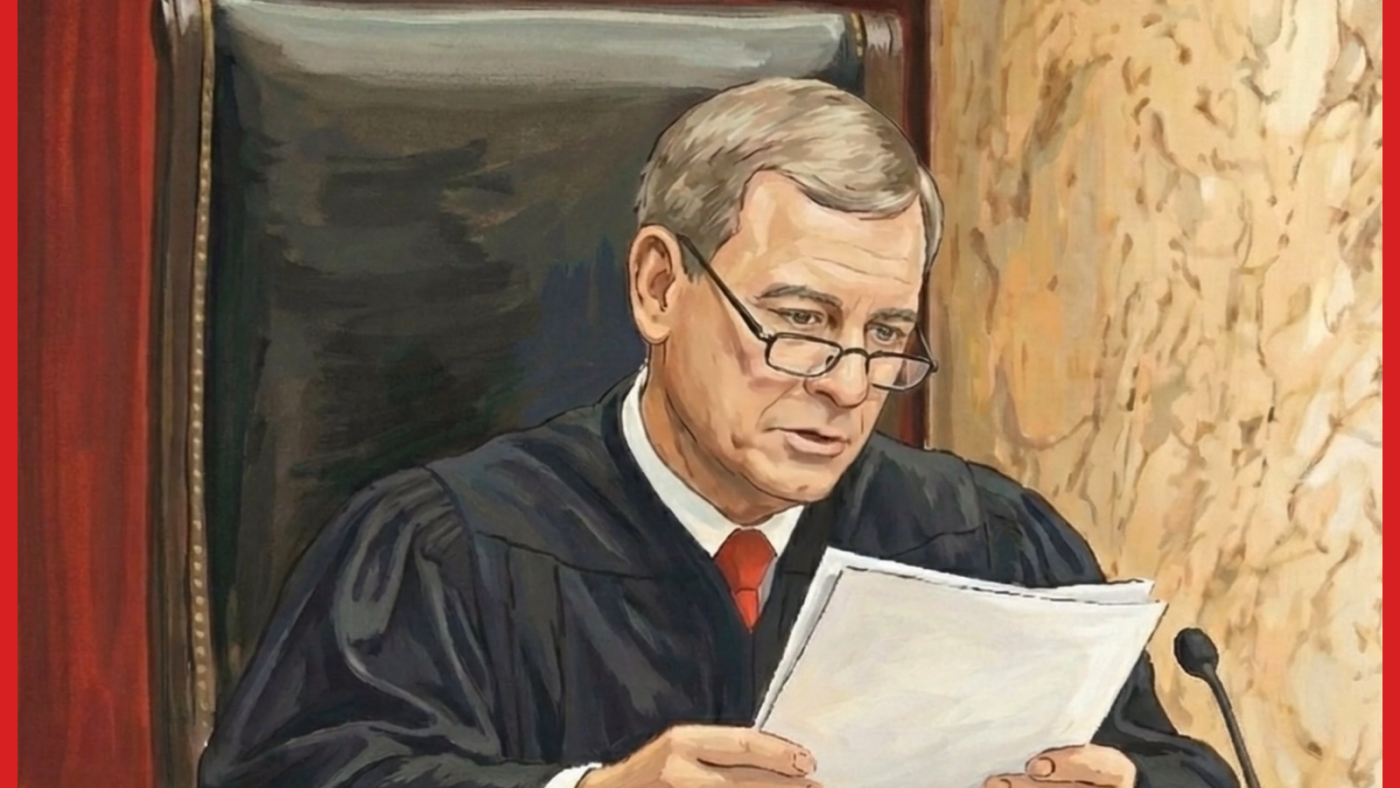
Artificial intelligence is reshaping how the U.S. Supreme Court’s decisions are presented to the public. A new project, led by Northwestern University professor Jerry Goldman, utilizes AI to create digital avatars of the justices, enabling visual representations of their court announcements. This innovative approach aims to enhance accessibility to the court’s proceedings, which have historically been shrouded in secrecy.
Goldman’s work builds on the foundation of his nonprofit initiative, Oyez, which launched in 1996 to provide audio recordings of Supreme Court oral arguments and opinions. Until the early 1990s, the public had little awareness of the court’s audio recordings, as many were lost due to poor preservation practices. Access was restricted for months after cases were decided, leaving most citizens unaware of the courtroom drama unfolding in real time.
The COVID-19 pandemic was a turning point for the Supreme Court, as it prompted the justices to allow live broadcasts of oral arguments. This shift marked a significant change in the court’s operations, as justices, who had previously resisted such measures, adapted to a new reality. Despite these advancements, the announcement of decisions still remains inaccessible to the public on the same day they occur. Instead, the court continues to limit access until the following term, which has drawn criticism from both journalists and scholars.
In response, Goldman’s team is leveraging AI to recreate not just the audio but also the visual context of decision announcements. By using existing photographs and videos of the justices, the team has developed lifelike avatars that mimic the justices’ mannerisms, gestures, and expressions. Timothy R. Johnson, a professor at the University of Minnesota and a key contributor to this initiative, described the initial attempts at creating these avatars as “hilarious,” noting that early models often produced uncanny results.
The ethical considerations surrounding this project were significant. The team opted to slightly cartoonize the video and clearly mark it as AI-generated to differentiate between reality and representation. Their first project features an avatar of Chief Justice John Roberts delivering a summary of the court’s 6-3 decision granting former President Donald Trump, and future presidents, immunity from prosecution for actions taken while in office. Following Roberts’ summary, an avatar of Justice Sonia Sotomayor presents her dissent, creating a compelling and somewhat eerie 38-minute visual representation of the court’s proceedings.
The Supreme Court’s history of limiting public access to its oral arguments and announcements is well documented. The court began taping its sessions in 1993, but it kept this practice largely under wraps until it was publicly revealed by law professor Peter Irons. After Irons published the recordings in a book, the court attempted to sue him, a case they ultimately dropped. Since then, the routine broadcasting of oral arguments has become standard, largely due to the pressures created by the pandemic.
Despite these advancements, requests for live audio broadcasts of decision announcements have largely gone unanswered. Goldman noted that historical documents from the Warren Court of the 1950s indicate that justices intended to memorialize their oral arguments for public access. Yet, the ongoing silence from the Supreme Court regarding live broadcasts of decision announcements continues to frustrate advocates for transparency.
As AI technology evolves, it presents both challenges and opportunities for institutions like the Supreme Court. While Goldman’s project enhances public access to judicial processes, it also raises questions about authenticity and representation in an era increasingly defined by digital interactions. As the court grapples with its legacy and the future of public engagement, this innovative application of AI serves as both a reflection of societal change and a commentary on the ongoing dialogue surrounding transparency in the judiciary.