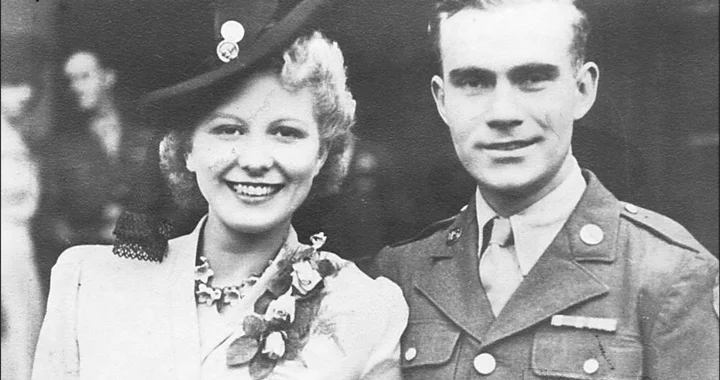
In the wake of World War II, many veterans returned home not just with memories of battle but with brides from war-torn Europe. Among them were the war brides who arrived in Eureka, California, forging new lives in a foreign land. Their stories reflect resilience and adaptation, as they navigated cultural differences while building families in America.
In August 1945, as the world celebrated the end of the war, a popular song, “My Guy’s Come Back,” echoed through American homes. This moment marked not just the return of soldiers but also the arrival of thousands of war brides from countries like England, France, and Italy. Among these were Ivy “Johnny” Johnson and Lou McCornack, who each embarked on a journey filled with hope and uncertainty.
Johnny Johnson, originally from Nottingham, met her husband, Ray Olsen, an American soldier, while she was serving in the British Army Postal Service. Despite initial reluctance influenced by warnings from her family about American soldiers, Johnny’s connection with Ray deepened. They married at the end of 1945, and in March 1946, Johnny left England, traveling with several other war brides across the Atlantic.
The journey was emotional; they wept as they crossed the ocean, leaving behind familiar landscapes. Upon arriving in New York Harbor, Johnny experienced a mix of thrill and apprehension. After a brief layover in Chicago, she was captivated by the array of clothing and shoes available, having spent years in military uniforms.
Similarly, Lou McCornack Butler’s story is marked by loss and resilience. At just nineteen, Lou had endured significant hardships, including the loss of her first husband, John Campbell, who died during the D-Day invasion. After marrying Phillip McCornack, Lou traveled to America on a Merchant Marine ship in 1945. Her crossing was fraught with challenges, yet her determination to build a life in the United States endured.
Building Community in a New Land
The arrival of these war brides in Eureka was met with warmth and curiosity. Joyce Ratcliffe Bryan, who married Murl Francis Bryan, recalls the community’s embrace as she settled into her new life. The climate in Eureka, reminiscent of England, made the transition smoother. These women quickly adapted to their new surroundings, learning American customs while sharing their own traditions.
As they gathered, the war brides recognized a shared experience that transcended their diverse backgrounds. They formed the World Friendship Club in 1947, aiming to support one another and foster connections among other foreign-born brides. Lou Butler, a key figure in organizing the club, recalled the loneliness many felt and the necessity of community.
The club provided a platform for social engagement, organizing events that included tea parties and fundraisers for local charities. They also took part in civic activities, raising awareness for women’s rights and supporting children’s education through the March of Dimes campaign.
Lasting Impact and Reflections
The legacy of these war brides is profound. Their journeys not only changed their lives but also enriched the communities they joined. As they navigated homesickness and cultural adjustments, they forged friendships that would last a lifetime. Johnny Olsen reflected on her sixty years of marriage with Ray, cherishing the bonds formed through shared experiences and mutual support.
Lou Butler expressed pride in her journey, stating, “We did not come to America looking for a handout, but like early immigrants before us, we came with hands out ready to become part of a great nation.”
The stories of Johnny, Lou, and Joyce illustrate the resilience and adaptability of war brides who transformed their lives through love and commitment. The World Friendship Club stands as a testament to their enduring friendships and the sense of community they established in Eureka.
As the club celebrates its sixtieth anniversary, the contributions of these women remind us of the strength found in unity and the bonds formed in the aftermath of war. Their experiences continue to resonate, reflecting a shared history that enriches the fabric of American society.