On December 14, 2025, a tragic incident unfolded at Bondi Beach during Hanukkah celebrations, resulting in the deaths of 15 Jewish individuals and leaving many others injured. This horrifying event occurred against a backdrop of rising antisemitism in Australia, prompting reflections on the Jewish experience in the country and the broader implications of such violence.
The Jewish Presence in Australia
Mark I. Pinsky, a journalist based in Durham, North Carolina, shared insights about the Jewish community in Australia through a letter addressed to his grandchildren. He emphasized that Jews have been an integral part of Australian society since the arrival of the first European immigrants in the 1700s, which included exiled Jewish convicts from London. Over the years, these early settlers established communities in various regions, including Tasmania and Ballarat, where synagogues still stand today.
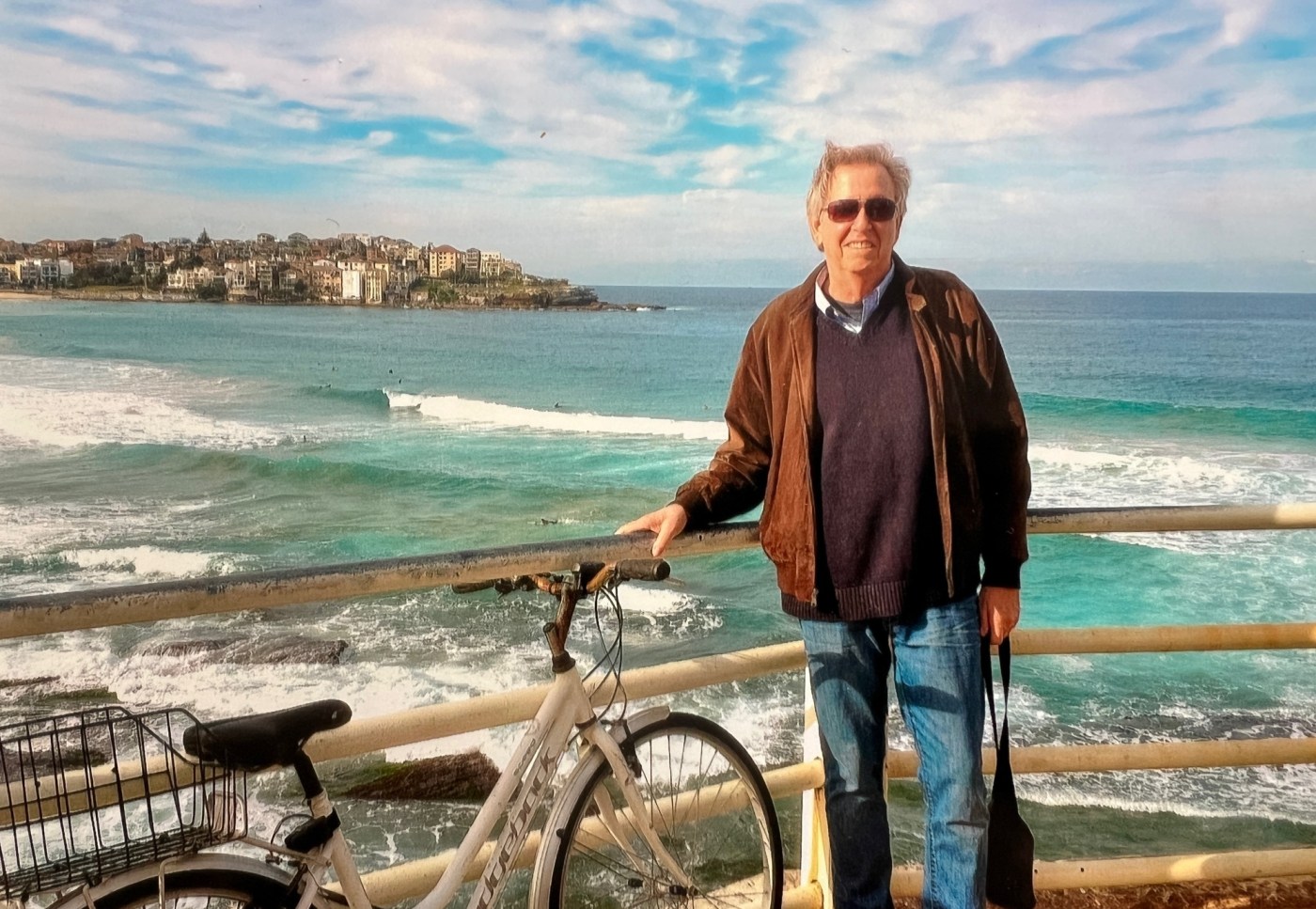
Pinsky recounts his experiences visiting Australia, particularly during the early 21st century, when he and his wife, Sallie Brown, spent time with their daughter and her family in Melbourne. They attended services at synagogues in cities like Melbourne, Hobart, and Ballarat, gaining a deeper understanding of the Jewish heritage in the region. He notes that while Jews have often been treated as equals, there have been exceptions marked by discrimination and prejudice.
Acts of Courage amidst Tragedy
Amidst the sorrow of the Bondi Beach tragedy, acts of heroism were also highlighted. One such act was performed by Ahmed al-Ahmed, a Muslim citizen of Syrian origin, who intervened during the attack. His bravery in disarming one of the shooters earned commendation from then Prime Minister Anthony Albanese, who described it as a powerful example of “Australians coming together” in the face of adversity.
Pinsky’s reflections serve as a reminder that antisemitism is a persistent issue, not only in Australia but globally. He expresses hope that by the time his grandchildren grow older, Jewish hatred in Australia will be relegated to history. He fondly recalls his connections to the country, including friendships formed during his time as a civilian volunteer with the Israel Defense Forces in 1967, where he lost dear friends from Melbourne in tragic circumstances.
The letter ultimately conveys a message of resilience and unity, emphasizing the importance of understanding the challenges faced by the Jewish community. Pinsky’s hope for a future free from hatred resonates deeply, particularly in light of recent events. As Australia continues to grapple with its history of antisemitism, the collective memory and stories of courage may pave the way for a more inclusive society.