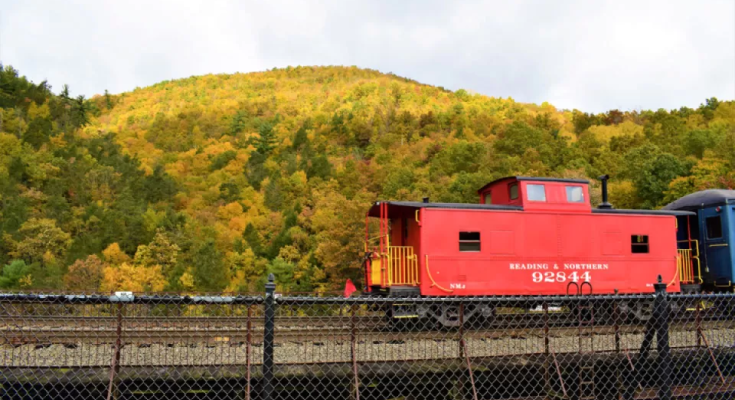
Pennsylvania’s railroads are not just relics of the past; they continue to play a vital role in the state’s economy and tourism. Long before the advent of highways, iron rails connected communities and fueled an industrial boom, shaping Pennsylvania into an economic powerhouse. Today, the legacy of this transportation network can still be felt throughout the state, where trains serve both as a crucial means of freight movement and a popular attraction for visitors.
The state’s rail infrastructure supports a significant portion of freight transport while anchoring a thriving tourism sector. For many travelers, trains provide an opportunity for a slower, more immersive journey through Pennsylvania’s diverse landscapes, often inaccessible from highways. Scenic railroads, such as the Lehigh Gorge Scenic Railway, offer passengers a chance to experience the rugged beauty of Lehigh Gorge State Park aboard vintage-style rail cars. The Middletown & Hummelstown Railroad Company provides an 11-mile ride connecting small-town depots, allowing travelers to enjoy local history alongside picturesque countryside views.
Preserving History Through Scenic Journeys
The Colebrookdale Railroad follows a route once used by Civil War soldiers, now celebrated for its wildlife sightings and serene wooded views. In Lancaster County, the Strasburg Rail Road winds through Amish farmland, combining rail history with dining excursions and stops at charming villages. These experiences highlight the enduring appeal of Pennsylvania’s railroads, showcasing the state’s rich heritage while attracting tourists eager to explore.
Beyond their scenic routes, Pennsylvania’s rail network features remarkable engineering achievements that continue to amaze. The Johnstown Inclined Plane, known as one of the steepest passenger railways in the world, remains fully operational. Additionally, the Starrucca Viaduct and the Tunkhannock Viaduct are monumental stone structures that carry trains high above river valleys, standing as silent testaments to early twentieth-century engineering ambition.
Transformations and Educational Opportunities
In regions where rail traffic has declined, creative reinventions have emerged. The former rail span at Kinzua Bridge State Park has been transformed into a skywalk, offering visitors sweeping views and a dramatic reminder of nature’s power. This evolution underscores a commitment to preserving the historical significance of railroads while adapting to modern tourism trends.
For those interested in delving deeper into the history of rail transport, numerous museums across Pennsylvania preserve the stories behind this vital industry. The Railroaders Memorial Museum documents the lives and labor that fueled the rail boom in central Pennsylvania, situated close to the famed Horseshoe Curve. The Annville Train Station & Heritage Center provides guided tours through a restored nineteenth-century depot, while the Derry Station Railroad Heritage Park invites visitors to explore preserved rail equipment and station grounds. In Philadelphia, the SEPTA Transit Museum showcases trolleys, train models, and the evolution of urban transit.
These attractions illustrate that Pennsylvania’s railroads are not merely historical artifacts; they continue to shape communities, facilitate trade, and offer unique experiences for travelers. As the state commemorates its rich railway heritage, the echoes of the past resonate in every journey taken along the tracks. In a landscape where steel once forged an economy, the rails still carry forward both history and economic vitality, one journey at a time.