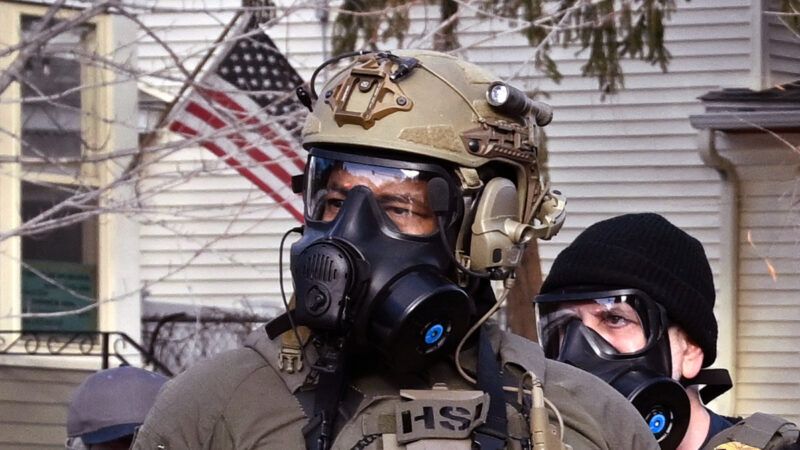
Minneapolis is experiencing heightened tensions as Immigration and Customs Enforcement (ICE) continues to conduct raids amid significant public backlash. The recent death of 37-year-old citizen activist Renee Good at the hands of ICE agents has sparked protests and a growing sense of anger within the community. On January 13, 2026, a woman attempting to reach a doctor’s appointment found herself caught in the chaos of a protest against an ICE operation. As she drove down the street, agents broke her windows, cut her seatbelt, and forcibly removed her from her vehicle before arresting her.
The situation escalated further when Minneapolis City Council President Elliott Payne reported that he was shoved by an ICE agent while observing the agency’s activities from a public sidewalk. Payne, along with state representatives like Michael Howard, voiced concerns about the aggressive tactics being employed by federal agents. “It feels like our community is under siege by our own federal government,” Howard stated in an interview with The New York Times.
Video footage has circulated online showing ICE agents engaging with employees at a local Target, who claimed to be U.S. citizens. The ICE response was described as aggressive, with a spokesperson from the Department of Homeland Security (DHS) claiming that the workers were “assaulting, resisting, or impeding federal officers.” These assertions have led to skepticism among community members regarding the agency’s claims about the nature of its operations in the city.
Concerns Over ICE Operations and Community Impact
The federal government has intensified its presence in Minneapolis, with approximately 2,000 agents currently deployed. A recent press release from ICE highlighted their ongoing efforts, stating that they have made about 2,400 immigration-related arrests in Minnesota since November 2025. Critics question the legitimacy of these claims, particularly regarding the number of individuals arrested for serious criminal offenses.
In a broader context, the aggressive tactics of ICE have raised concerns about the agency’s focus. Nick Miroff of The Atlantic reported that most ICE officers prefer to work in plain clothes, avoiding confrontation in urban areas where they are often met with hostility. This contrasts sharply with the current approach, which includes using visibly marked vehicles, potentially making agents targets for protests and backlash.
The situation has been complicated by the recent resignation of six federal prosecutors in Minnesota. Their departures were primarily in response to the Department of Justice’s (DOJ) push to investigate Becca Good, the widow of Renee Good, while failing to hold accountable the ICE agent responsible for her death. Minneapolis Police Chief Brian O’Hara noted that the resignation of key staff members has hindered efforts to investigate other pressing issues, such as fraud cases involving safety net programs.
Political Ramifications and Community Response
The actions of federal agencies in Minneapolis have sparked a larger debate about immigration enforcement and its implications for local communities. Critics argue that the focus on high-profile arrests and public visibility may not align with the needs of the community, particularly when those affected include U.S. citizens and legal residents.
The Trump administration’s policies regarding immigration have fueled tensions, with accusations of targeting specific communities, particularly among American citizens of Somali descent. As reported in January 2026, these tactics were partly justified by claims of rampant fraud, but many argue that they have led to unnecessary fear and division.
The tone of the ongoing protests reflects a growing frustration with federal overreach and a demand for accountability. Activists express a desire for a more measured approach to immigration enforcement, arguing that community safety should not come at the expense of civil rights.
As Minneapolis grapples with these challenges, the events of January 2026 have highlighted a crucial turning point in the relationship between federal authorities and local communities. The ongoing protests and public discourse suggest that the citizens of Minneapolis are unwilling to remain silent in the face of what they perceive as unjust practices by the federal government.