The holiday season can evoke a complex mix of emotions, particularly for those grappling with grief. For many, Christmas is a time of joy and connection, yet for others, it highlights the profound absence of loved ones. This contrast is poignantly illustrated in personal stories of loss and healing, as individuals navigate the painful memories often brought to the forefront during this time.
One such story comes from a mother who experienced the devastating loss of her daughter, Angie, who passed away at just 19 months old. The author reflects on her journey through grief, noting how the holidays intensified her feelings of sorrow. The loss created a void that made joy seem unattainable, a sentiment echoed by many who have faced similar circumstances.
In the wake of her daughter’s death, the author sought comfort from her pastor, only to endure seven years of abuse, compounding her grief. This betrayal deepened her sense of isolation and shame, leading her to question whether she could ever heal. The overwhelming darkness that accompanied her loss created a life filled with secrets and despair.
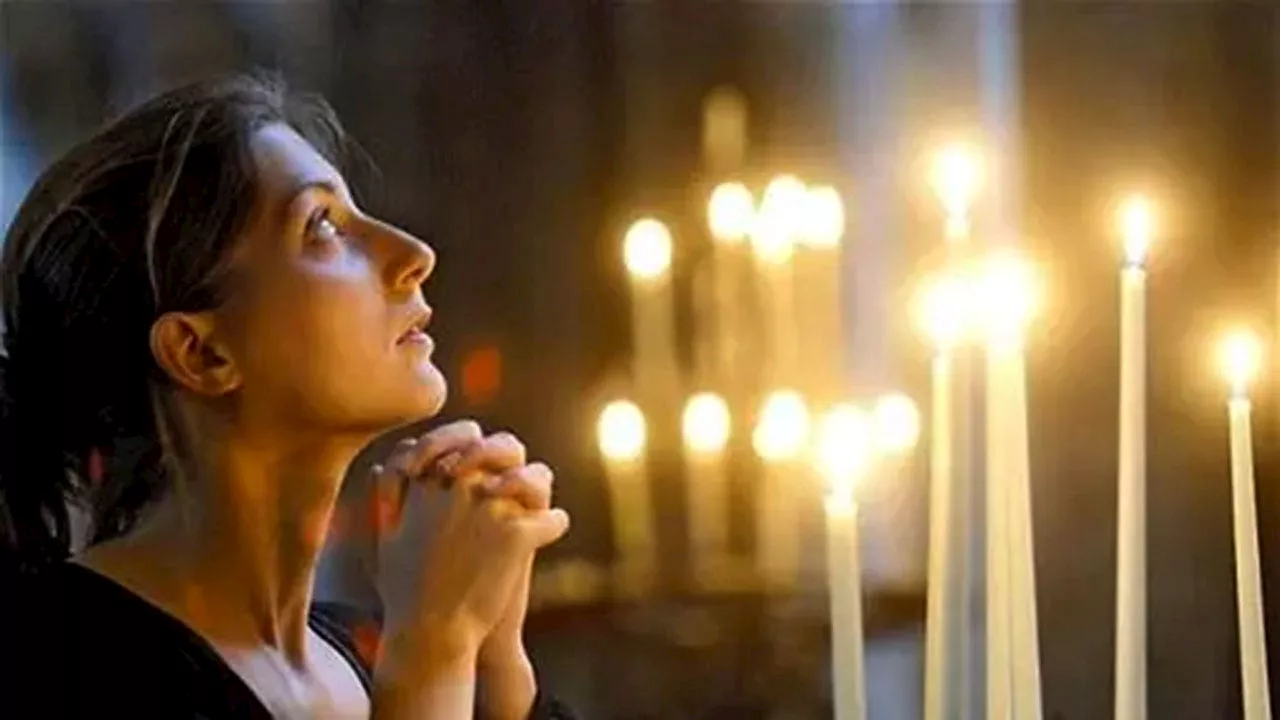
Yet, it was through embracing God’s unconditional love that she found a path towards healing. This spiritual connection served as a guiding light, illuminating her journey back to wholeness. By sharing her story and confessing her pain, she began to experience forgiveness—first from others, then from God, and ultimately from herself.
The process of healing, she emphasizes, is not linear. While setbacks occurred, the act of revealing her truth marked a turning point. After taking that initial step, she found herself gradually moving away from the darkest depths of grief. The author acknowledges that while trauma cannot be erased, genuine well-being is achievable, even after enduring long periods of pain.
As she and her husband, Jonas, continue to navigate life without Angie, their grief has transformed. They recognize that although the loss will always be a part of them, their approach to grieving has evolved with each new season. The holiday period, once filled with unbearable reminders, is now characterized by moments of reflection and remembrance.
The author shares, “It was amidst the most unimaginable suffering that I found Him.” This statement underscores a profound realization: that even in the depths of despair, a connection with the divine can provide strength. Her relationship with God, alongside supportive communities, has enabled her to process her experiences and transform her pain into a source of authenticity and connection.
Each confession and act of forgiveness has allowed a sliver of light to penetrate her previously darkened world. Where once there was isolation, there is now a shared understanding and empathy with others who have faced similar struggles. The author emphasizes that the journey toward healing can be slow, yet it is possible to find purpose within pain.
Reflecting on her past, she recounts a pivotal shift in perspective. Instead of pleading for her grief to disappear, she began to ask what lessons it might impart. This inquiry led her to a deeper understanding of redemption—a process that reshapes one’s narrative, revealing beauty that can emerge from suffering.
The author notes that redemption does not imply perfection. Instead, it allows individuals to learn, grow, and foster connections through shared experiences of pain. The story she once wished to escape has become a catalyst for positive change, inspiring her to make an impact in the world around her.
As the Christmas season unfolds, the themes of birth, death, and resurrection resonate deeply. This time serves as a reminder of the burdens that can be shared, highlighting that no one need navigate their grief alone. The author acknowledges the complexities of human suffering but also affirms that peace is attainable, even amidst tragedy.
While the joy of the holidays can feel distant for those experiencing loss, the author advocates for making peace with pain rather than allowing it to define one’s existence. By embracing this approach, transformation becomes a possibility, marking a significant step toward healing and hope.