Interior designers emphasize the importance of layering in creating inviting and dynamic spaces. This technique goes beyond mere decoration; it is fundamental to achieving depth and authenticity in a room. According to various experts, effective layering creates a lived-in atmosphere, setting the tone for how spaces are experienced and enjoyed.
Understanding Layering in Interior Design
Layering involves combining various textures, shapes, and materials to create a cohesive and visually appealing environment. According to Sarah Hart, owner of Sarah Hart Interior Design in Charleston, “Without layering, a space can fall flat, especially in luxury homes where the goal is a sense of depth and quiet richness.” The principle of layering allows designers to balance contrasting elements, adding character and warmth to a room.
For instance, a room featuring a bulky sofa can feel overwhelming without the introduction of counterbalancing elements. Hart explains that pairing such furniture with lighter, more architectural chairs can enhance the overall aesthetic. This attention to layering creates a sophisticated look that differentiates a well-designed space from one that simply appears decorated.
Ten Ways Designers Utilize Layering
Designers use layering to achieve a balance of depth, warmth, and personality. Here are ten essential strategies they employ:
1. **Establishing a Strong Base**: The initial layer is critical; it sets the groundwork for the entire design. Madelynn Hudson of M.H. Interiors emphasizes the importance of a grounding layer, which can include rugs, wall colors, or architectural elements. “When this layer is right, everything else has a clear direction,” she states.
2. **Softening Hard Edges**: Textiles play a vital role in tempering architectural elements. Lauren Carlucci from Lauren Carlucci Studio explains that incorporating fabrics like pillows and quilts can soften sharper lines, creating a more inviting space.
3. **Layering Materials**: Combining materials with different characteristics adds depth and intrigue to a room. Hudson notes that balancing warm and cool materials can create visual tension, enhancing the space’s overall interest.
4. **Differentiating Lighting**: Effective lighting is key to creating a warm environment. Jess Weeth highlights the importance of layering light sources, including sconces and table lamps, to elevate a room’s ambiance.
5. **Playing with Shape and Scale**: Mixing various shapes and sizes can create visual movement. Hudson advises pairing curvy forms with linear pieces to keep a room from feeling static.
6. **Mixing High with Low**: The combination of luxury and more affordable items can elevate the overall design. Dan Mazzarini, principal designer at Mazzarini & Co., notes that blending high-end pieces with accessible ones makes a space feel more inviting.
7. **Balancing Old with New**: Integrating vintage and contemporary items can enhance a room’s character. Carlucci suggests that mixing eras creates a sense of story and relevance in the design.
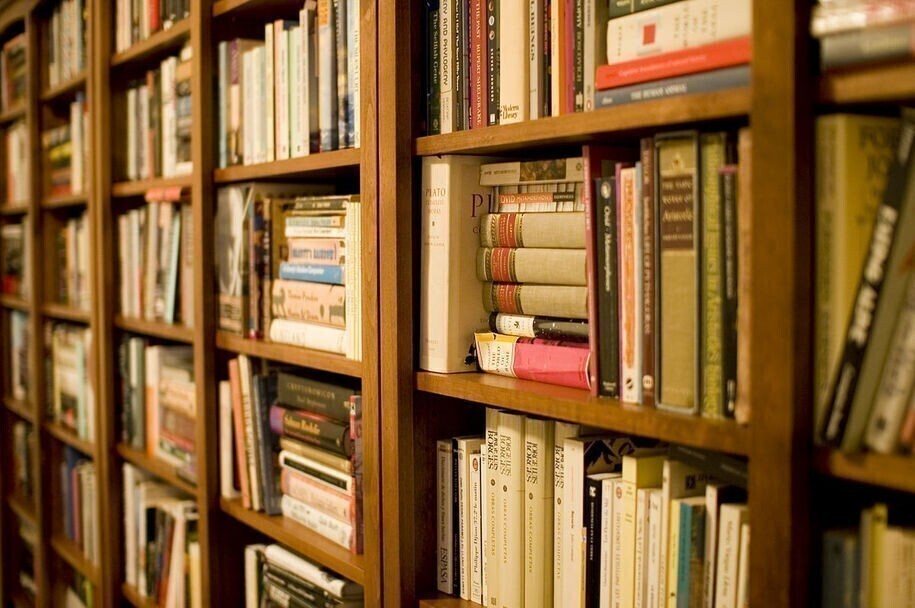
8. **Leveraging Literature**: Books can serve as an effective layering tool. Cheryl Stauffer uses books to build layers across surfaces, adding both visual interest and a personal touch.
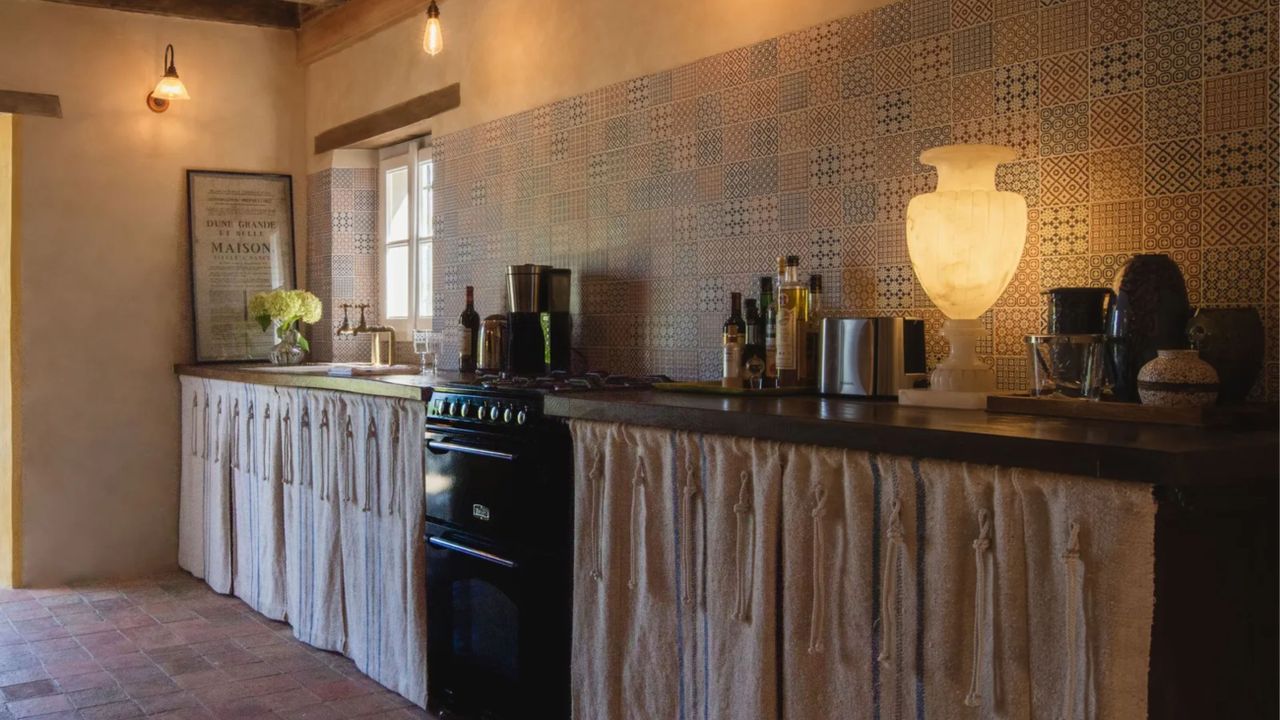
9. **Using Pleats and Skirts**: Textured fabrics, such as pleats and skirts, can add volume and softness. Weeth points out that these elements can refresh existing furniture and enhance the overall mood of a space.
10. **Making it Personal**: Personal touches contribute to a room’s authenticity. Hudson encourages incorporating meaningful items, such as travel souvenirs or family heirlooms, to create a lived-in feel.
Layering is not merely an aesthetic choice; it reflects a lifestyle that accumulates meaning over time. By starting with a solid foundation and thoughtfully introducing contrasting elements, designers create spaces that resonate with warmth and character. The principles of layering allow for personal expression, fostering environments that are both functional and inviting.