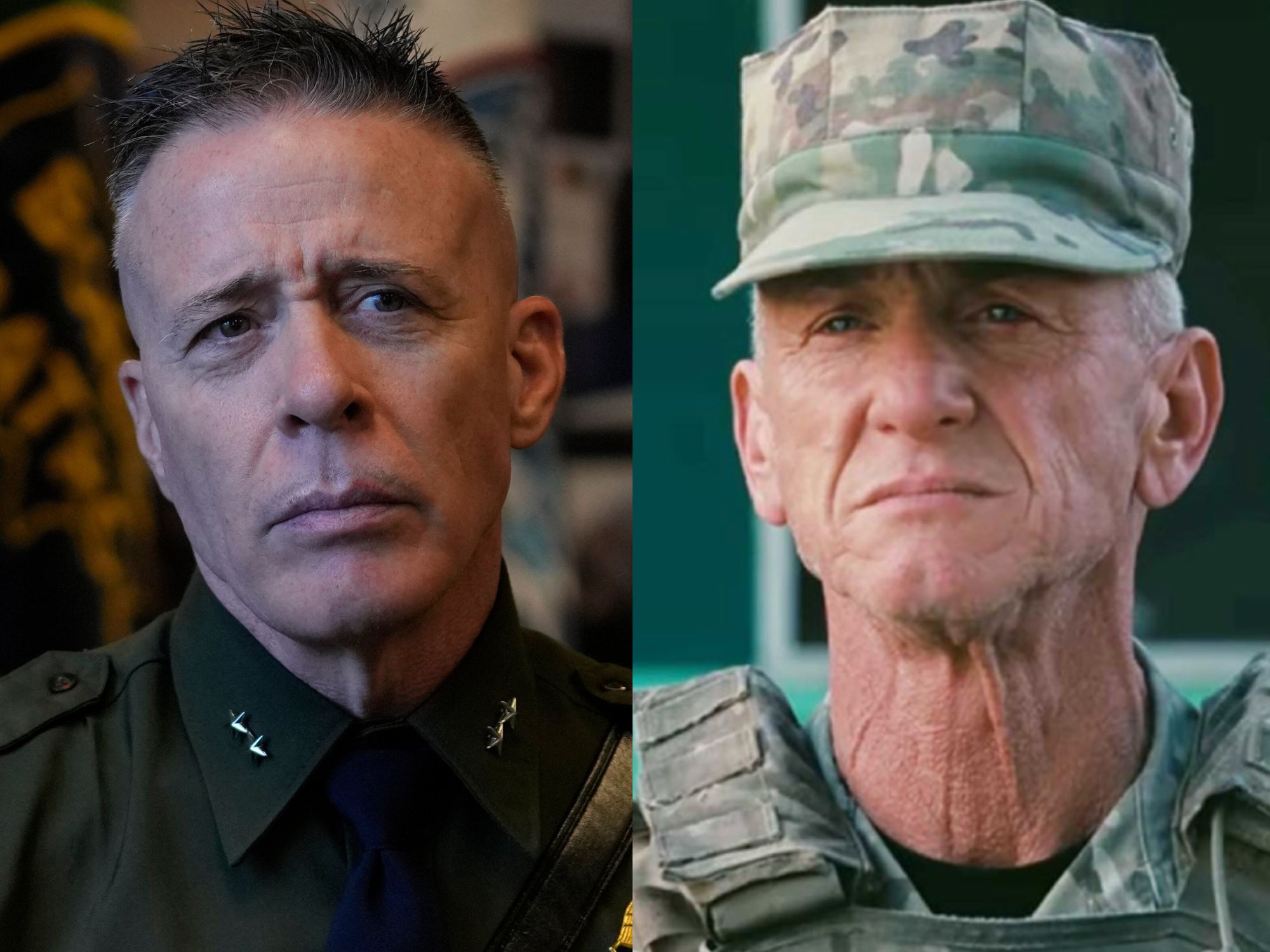
In a significant leadership change, Customs and Border Protection (CBP) has ordered Gregory K. Bovino to step down from his role as “commander-at-large” following a tumultuous tenure in Minneapolis. This decision comes after widespread public outcry regarding CBP and ICE operations in the city, particularly in the wake of violence involving unarmed victims.
Tom Homan, who has previously served as the acting director of ICE, will replace Bovino. Reports suggest that Bovino may be considering retirement, and his social media accounts have already been revoked, according to The Atlantic. With a career spanning three decades in border enforcement, Bovino’s recent actions have drawn considerable scrutiny.
Bovino’s rise to prominence coincided with his role in a high-profile tactical operation in Los Angeles last June. He has since been viewed as a key figure in the Trump administration’s aggressive immigration policies, particularly in urban centers like Chicago and Minneapolis. His controversial image has been characterized by his deployment of heavy-handed tactics, including the use of tear gas.
Adding to the scrutiny, allegations surrounding his past conduct have surfaced. Bovino was previously embroiled in a discrimination lawsuit settled by the Department of Homeland Security in 2022. The suit alleged that he manipulated hiring practices to exclude qualified Black and Latino candidates from senior supervisory roles within CBP. This claim highlights deeper concerns about equity and representation within the agency.
Bovino’s alleged comments during the hiring process, including a racially charged email from a subordinate, have raised further questions about his leadership style. The email, which was later investigated, drew parallels to historical figures associated with racism and segregation. While Bovino acknowledged the inappropriateness of the email, he stopped short of labeling it as racially motivated.
Escalating Tensions and Policy Reversals
The political landscape surrounding immigration enforcement has been shifting, particularly in light of public backlash against recent CBP operations. Footage showing the unarmed killing of victims like Alex Pretti has intensified demands for accountability and reform. In response, President Donald Trump appears to be recalibrating his administration’s approach, signaling a desire to de-escalate tensions in Minneapolis.
Bovino’s previous claims of being targeted by cartel assassination attempts lost credibility after they were dismissed in federal court. The fallout from these claims, along with his controversial leadership tactics, has contributed to a growing sentiment that his tenure was unsustainable. Moving forward, Homan’s appointment may indicate a shift towards a more tempered approach to immigration enforcement.
Bovino’s relationship with popular culture also adds an intriguing layer to his narrative. He has previously cited the influence of films featuring border patrol officers, including a film produced by his great-uncle, as a motivating factor for his career choice. This connection to cinema raises questions about the portrayal of law enforcement in media and its impact on real-world practices.
Conclusion and Future Considerations
As Bovino returns to El Centro, a region near the scenic Anza-Borrego Desert State Park, the implications of his departure remain to be seen. The leadership transition at CBP represents not only a change in personnel but also a potential shift in policy direction amidst mounting pressure for reform within immigration enforcement.
The ongoing discourse surrounding border security and the treatment of individuals within the immigration system underscores the need for a balanced approach that prioritizes both safety and human rights. As public scrutiny continues, the actions of CBP and its leaders will undoubtedly remain in the spotlight, shaping the future of immigration policy in the United States.