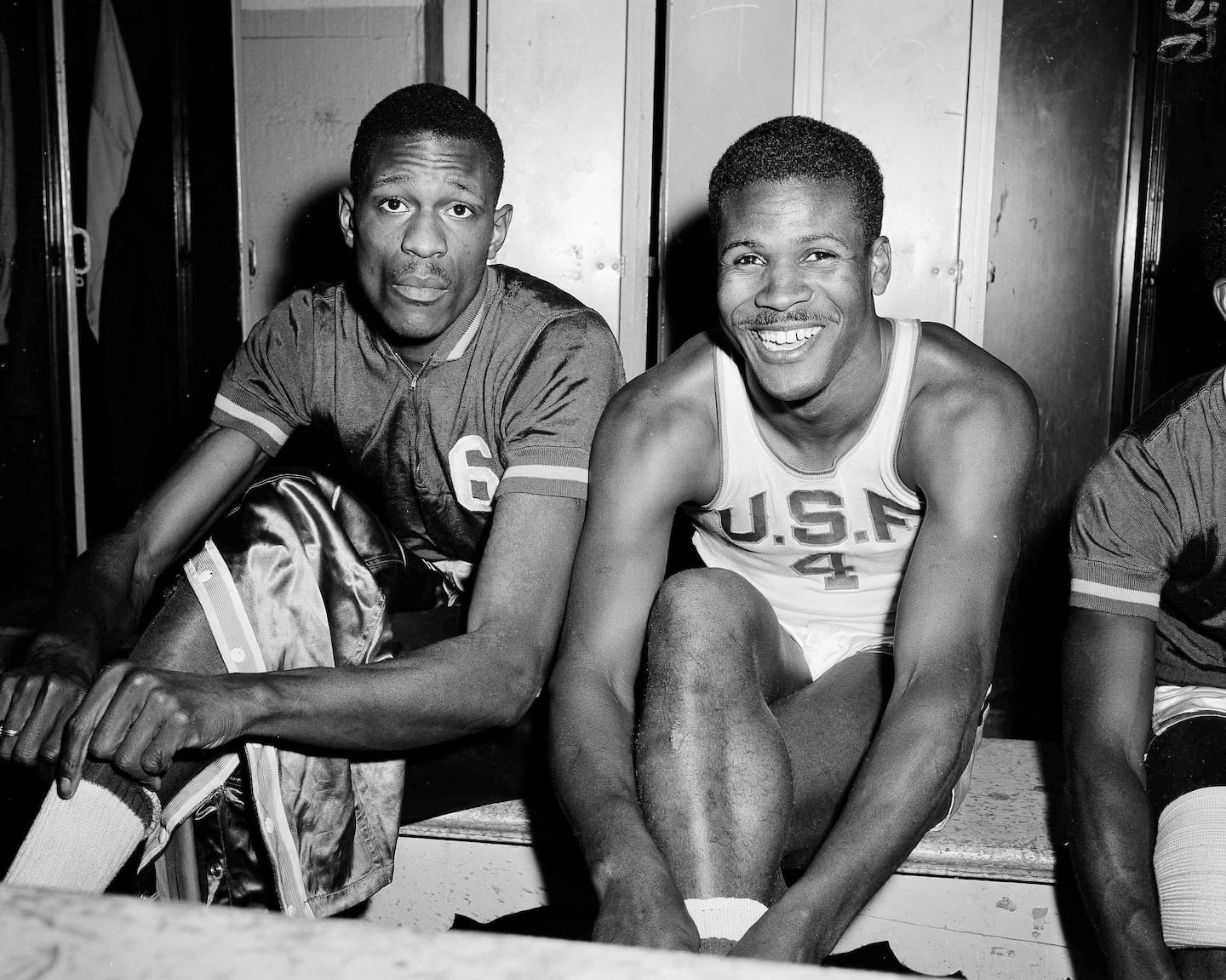
Bill Russell, the legendary Boston Celtics player and coach, received a posthumous honor from the University of San Francisco (USF) on what would have been his 92nd birthday. This initiative aims to strengthen the long-standing relationship between Russell and the institution where he made a significant impact during his collegiate career.
The newly established “Bill Russell Impact Classic” kicked off during a men’s basketball game at USF. Proceeds from this annual event will benefit the newly created Bill Russell Emergency Relief Fund, designed to provide financial assistance to undergraduate students facing economic challenges. Alongside this initiative, the university has unveiled public displays celebrating Russell’s contributions to athletics and social justice, and a main thoroughfare on campus is now named The Bill Russell Way.
Born in Oakland and a proud alumnus of USF, Russell’s collegiate journey was marked by unparalleled success. He led the Dons to consecutive national championships in 1955 and 1956, earning accolades such as being a two-time All-American and the NCAA Tournament’s Most Outstanding Player in 1955. His defensive prowess contributed to a remarkable 60-game winning streak during his college years. After his time at USF, he was selected as the second overall pick in the 1956 NBA Draft by the Celtics, where he would go on to win 11 championships, becoming one of the most celebrated athletes in history.
Despite his achievements, Russell’s relationship with USF has been complicated. He had expressed a desire to return to complete his degree but encountered obstacles due to outstanding tuition fees. This situation reflected the challenges he and other Black athletes faced during a time of racial discrimination in sports. USF Coach Phil Woolpert broke barriers by starting Russell and two other Black players, K.C. Jones and Hal Perry, during a period when such decisions were controversial.
Jeannine Russell, Bill’s widow, attended the memorial event and accepted her late husband’s honorary doctoral degree. In a poignant reflection, she noted, “He didn’t even get a scholarship; he got a scholarship thanks to his coach.” The establishment of the emergency relief fund is a significant step in addressing past grievances, allowing students—not just athletes—to seek assistance.
Tara August, who manages Russell’s legacy, emphasized the importance of recognizing his contributions to both Boston and Oakland. “Bill is so celebrated and honored in Boston,” she stated, “but Oakland is the city that made him.” This dual recognition aims to ensure that Russell’s influence endures in both communities.
The university’s efforts to honor Russell are seen as a testament to his lasting impact on basketball and social justice. The initiative not only highlights his athletic achievements but also addresses the historical injustices faced by Black athletes during his time. As Jeannine Russell remarked, the collaborative efforts with USF have exceeded expectations, creating a meaningful legacy for future generations.
In conclusion, the tribute to Bill Russell at the University of San Francisco marks a significant step in mending ties and recognizing the profound influence he had on the sport and society. As the university and his family work together to honor his memory, Russell’s legacy will continue to inspire both current and future students.