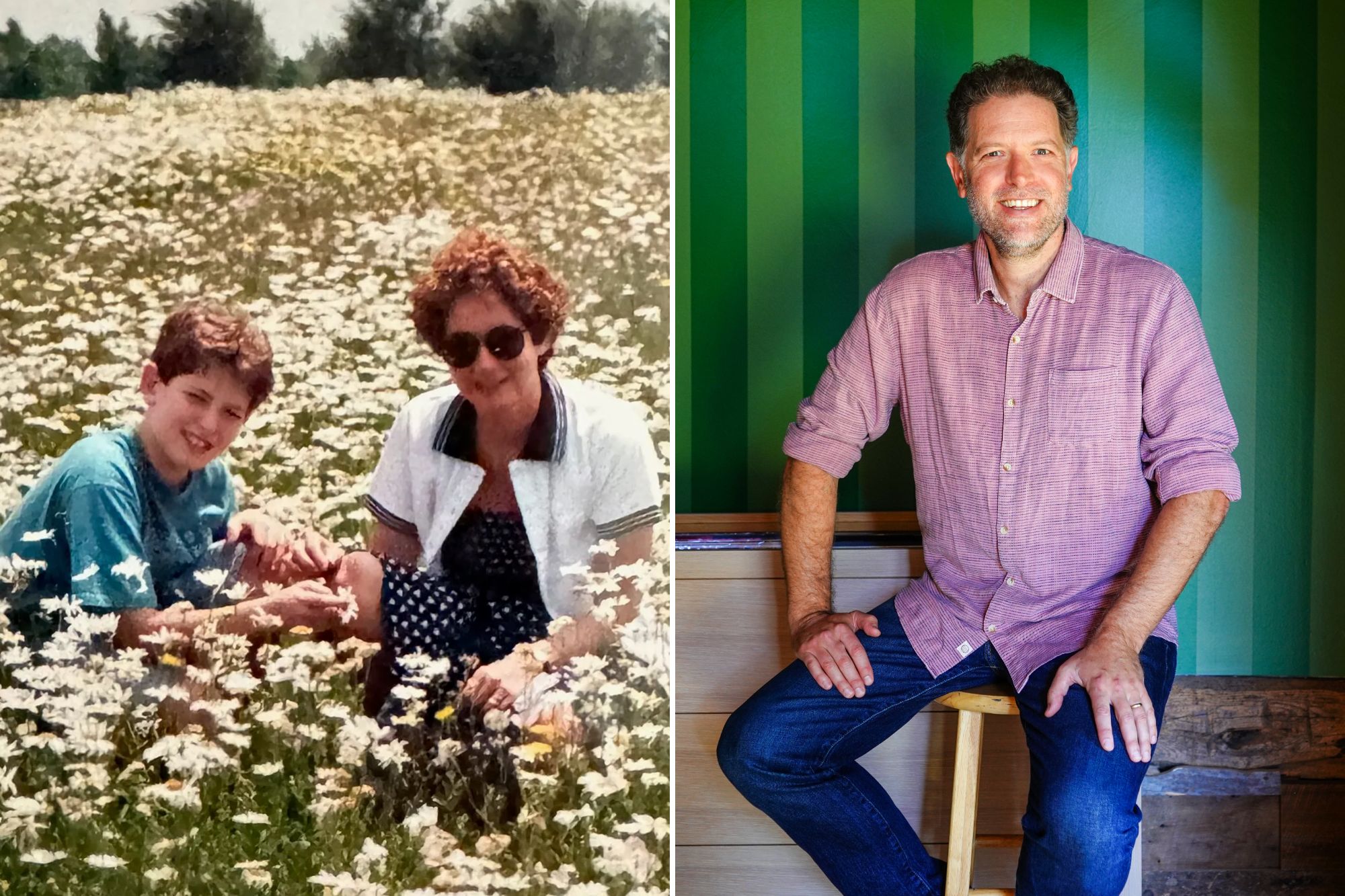
In his new memoir, “Homeschooled,” author Stefan Merrill Block shares the complexities of his unconventional education experience in Texas during the 1990s. Block’s journey into homeschooling began when his parents, frustrated with traditional schooling, introduced him to the concept after he struggled in a public school environment. At just nine years old, he faced the challenges of navigating an unregulated educational landscape, which shaped his formative years and ultimately influenced his literary career.
Block recalls his discontent with his school in Plano, Texas. The environment felt restrictive, culminating in an incident where his homeroom teacher physically shook him for asking too many questions. This experience prompted him to start writing a novel about a boy escaping school. When Block’s mother presented him with the idea of homeschooling, she described it as a “perfect solution” to nurture his creativity.
From 1990 to 1995, Block was largely educated by his mother, whose teaching methods were far from conventional. While they completed math exercises at the dining room table, the rest of the day was dedicated to self-directed projects and various errands, which often included shopping trips to TJ Maxx and leisurely afternoons by the pool. His mother’s eccentric beliefs extended beyond education; she held unconventional views on health and success, which Block details in his memoir.
Block’s homeschooling experience, while liberating in some aspects, also left him socially isolated. His interactions with peers were limited, as he participated in activities like Tae Kwon Do only with his father’s supervision, due to his mother’s concerns. He also joined a Little League team, but his mother insisted on his father’s coaching. This isolation contributed to his struggles when he eventually entered high school, where he faced academic challenges and social awkwardness.
The memoir provides a critical lens on the homeschooling system in America, particularly in Texas, where regulations are minimal. According to Block, legal frameworks allow even individuals with criminal backgrounds to homeschool their children without oversight. He argues that this lack of regulation can strip children of agency and support, leaving them vulnerable in potentially harmful situations.
Despite his initial challenges, Block eventually found his footing academically and socially, winning science fairs and becoming editor of his high school newspaper. He reflects on the lasting impact of his mother’s influence, recognizing that while her love and attention shaped him, they also created a sense of dependency.
After moving to St. Louis, Missouri for college, Block began to distance himself from his mother’s expectations. He explored new experiences that she would not have approved of, including changes in his appearance and lifestyle choices. Even as he sought independence, his mother’s presence remained strong in his life, culminating in her desire to move closer after the birth of his child.
Tragically, Block’s mother passed away from lung cancer in 2020. In the wake of her death, he grappled with the complexities of their relationship, reflecting on how her unconditional love, though sometimes stifling, also empowered him to pursue his aspirations.
Block’s memoir, published by Hanover Square Press on January 6, 2024, serves not only as a personal narrative but also as a commentary on the broader implications of homeschooling. It raises questions about the balance between parental control and a child’s need for independence, making it a poignant read for anyone interested in the nuances of education and familial relationships.