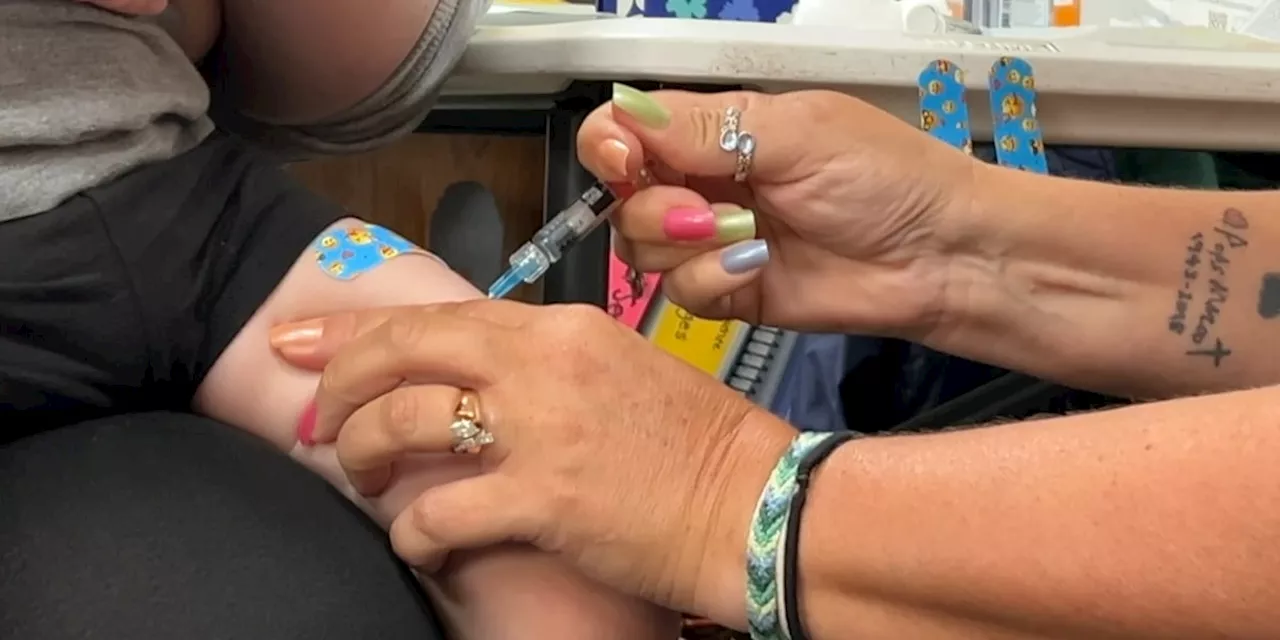
The growing popularity of GLP-1 medications, such as Ozempic and Zepbound, has significantly altered the landscape of weight management. However, recent findings indicate that individuals may experience rapid weight regain after discontinuing these drugs. A study published in The BMJ highlights that many users revert to their original weight within a relatively short timeframe, underscoring the challenges of maintaining weight loss without ongoing support.
Researchers analyzed data from 37 studies involving 9,341 participants who used various weight loss medications, including older drugs like liraglutide and newer options like semaglutide. The study revealed an average weight loss of 32.4 pounds among those taking semaglutide and tirzepatide. Unfortunately, the situation worsened after discontinuation. On average, participants regained 21.8 pounds within the first year, with many returning to their starting weight in approximately 1.5 years. The researchers cautioned against the short-term use of these medications without a comprehensive weight management strategy.
Common Pitfalls When Discontinuing GLP-1 Medications
As individuals consider stopping their GLP-1 medications, experts emphasize the importance of having a robust plan in place. Dr. Richard Siegel, co-director of the Diabetes and Lipid Center at Tufts Medical Center, stresses that the body instinctively resists weight loss. He explains that historical survival instincts drive the body to restore its previous state once medication is halted.
A common mistake is neglecting to establish a strong exercise and dietary regimen before stopping the medication. “You need a very strong dietary and exercise program in place,” Siegel advises, noting that many individuals underestimate the body’s natural tendency to regain weight.
Dr. Luis Medina Mora, an endocrinologist at Northwell’s Lenox Hill Hospital, identifies another frequent error: failing to adjust daily habits. Many patients mistakenly believe that the habits formed during medication use will be sustainable. “Once the physiological appetite suppression is gone, simply maintaining previous behaviors may not suffice,” he warns. This situation can be exacerbated if individuals choose to discontinue medication during high-risk periods, such as holidays or stressful events, rather than during times of stability.
Another critical mistake is discontinuing regular check-ins with healthcare providers. Dr. Diana Huang, a family physician at Swedish Downtown Primary Care, highlights that continued medical oversight is vital. Patients often stop consultations after achieving weight loss goals, but Huang emphasizes that ongoing support can help maintain progress after stopping GLP-1 medications. “Some patients avoid contacting us out of embarrassment,” she notes, which can hinder their ability to sustain weight loss.
Long-Term Considerations for Weight Management
The decision to stop using GLP-1 medications varies among individuals. Dr. Mir Ali, medical director at MemorialCare Surgical Weight Loss Center, points out that insurance coverage often influences patients’ choices. Many individuals find that once they reach a healthy weight, they no longer meet insurance criteria for GLP-1 coverage. “Until insurance companies recognize obesity as a chronic disease, this will continue to be an issue,” he states. Ali encourages ongoing communication with healthcare providers to explore alternative weight management options.
When prescribing GLP-1 medications, Dr. Medina Mora clarifies that the long-term need for these drugs is unpredictable. While some patients may successfully taper off after several months, others may require lifelong use. He emphasizes the importance of discussing the potential necessity for continued medication with patients. “I always clarify to my patients the possibility that they will need to continue the medication long-term,” Mora says.
Ultimately, he draws a parallel to other life-saving medications used for chronic conditions, such as heart disease and type 2 diabetes. The conversation around obesity medications should reflect the same understanding of chronic disease management.
As researchers continue to examine the effectiveness and long-term implications of GLP-1 medications, it becomes increasingly clear that successful weight management involves more than just medication. Individuals must adopt comprehensive lifestyle changes and maintain ongoing support from healthcare professionals to sustain their progress and avoid the pitfalls of weight regain.