Utah has been allocated over $195 million in federal funding to enhance and modernize healthcare in its rural communities. This significant investment aims to address longstanding challenges faced by residents in these areas, who often encounter barriers to accessing quality medical services.
The funding comes from the Centers for Medicare and Medicaid Services as part of a broader initiative to strengthen rural healthcare infrastructure across the United States. Rural areas frequently experience shortages of healthcare providers, inadequate facilities, and limited access to essential services, which can have a profound impact on community health outcomes.
Enhancing Healthcare Access and Quality
Utah’s Governor Spencer Cox emphasized the importance of this funding, stating that it represents a critical step toward ensuring that all Utahns, regardless of where they live, have access to high-quality healthcare. He noted that this investment will not only improve existing facilities but also expand the range of services available to rural residents.
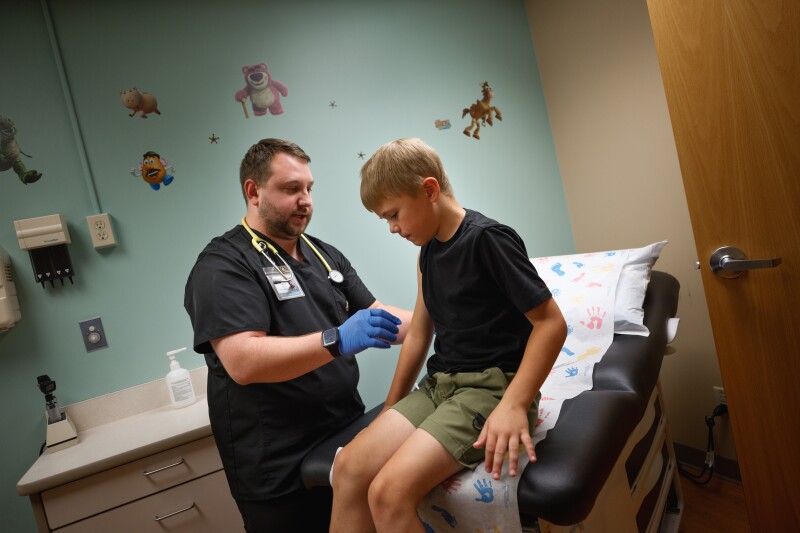
The funds will be used to upgrade medical equipment, enhance telemedicine capabilities, and improve transportation options for patients needing to travel for care. Such improvements are expected to lead to better health outcomes and increased patient satisfaction in underserved regions of the state.
According to the National Rural Health Association, rural healthcare systems face unique challenges that require innovative solutions. Many rural hospitals operate on thin margins and struggle to keep pace with technological advancements. The new funding is expected to alleviate some of these pressures by providing the necessary resources to modernize operations and expand service offerings.
Future Implications for Rural Health
This funding comes at a crucial time as many rural healthcare providers have been adversely affected by the COVID-19 pandemic. With increased demand for healthcare services and ongoing staffing shortages, the support from the federal government will be instrumental in helping these facilities recover and thrive.
In addition to the immediate benefits of improved healthcare access, the investment could have broader economic implications for rural communities. A stronger healthcare system can attract new residents and businesses, ultimately contributing to the overall vitality of these areas.
As the implementation of these funds begins, stakeholders across Utah will be keenly observing the outcomes. The hope is that modernized healthcare infrastructure will lead to measurable improvements in health metrics and quality of life for residents in rural communities.
In summary, Utah’s receipt of $195 million to enhance rural healthcare marks a pivotal moment for many communities that have long grappled with inadequate access to medical services. With the right allocation and strategic planning, this funding has the potential to transform healthcare delivery and improve health outcomes across the state.