Irritability is an emotional response many experience, especially during stressful periods. Recent research highlights that a significant portion of the adult population grapples with excessive irritability, often manifesting as disproportionate reactions to minor frustrations. A survey conducted in 2024 revealed that nearly 43,000 adults in the United States rated their irritability at an average of 13.6 on a scale where 5 signifies no irritability at all and 30 indicates constant high irritability.
Roy Perlis, a psychiatrist at Massachusetts General Hospital, emphasizes that while irritability can be a normal response, it becomes problematic when it leads to significant distress or interferes with daily functioning. “People come in and they complain that they’re irritable as much as they complain about being depressed or being anxious,” he states.
Root Causes of Irritability
The roots of irritability can be traced back to our biological makeup. Studies, including those by Wan-Ling Tseng at Yale School of Medicine, indicate that irritability is not just a human trait but also observed in animals. For instance, researchers have found that mice exhibit increased aggression when frustrated by withholding expected rewards. This behavior mirrors human reactions during stressful situations, such as when faced with traffic delays or frustrating customer service interactions.
“Irritability is not a character flaw,” Tseng explains. “It is something people can learn to manage, but sometimes, some people will need additional help to learn to manage it.”
Irritability often surfaces as a symptom of underlying mental health conditions. According to Perlis, individuals with conditions such as depression or anxiety frequently report heightened irritability. Approximately 50% of adults with depression and up to 90% of youth experiencing anxiety exhibit significant irritability.
Understanding and Managing Irritability
Clinical observations indicate that irritability can escalate into more severe emotional disturbances. For example, women with premenstrual dysphoric disorder (PMDD) often experience intense irritability before their menstrual cycle, which may lead to conflicts with family members. Maria Gröndal from the University of Gothenburg states that the emotional toll can severely impact daily activities and relationships.
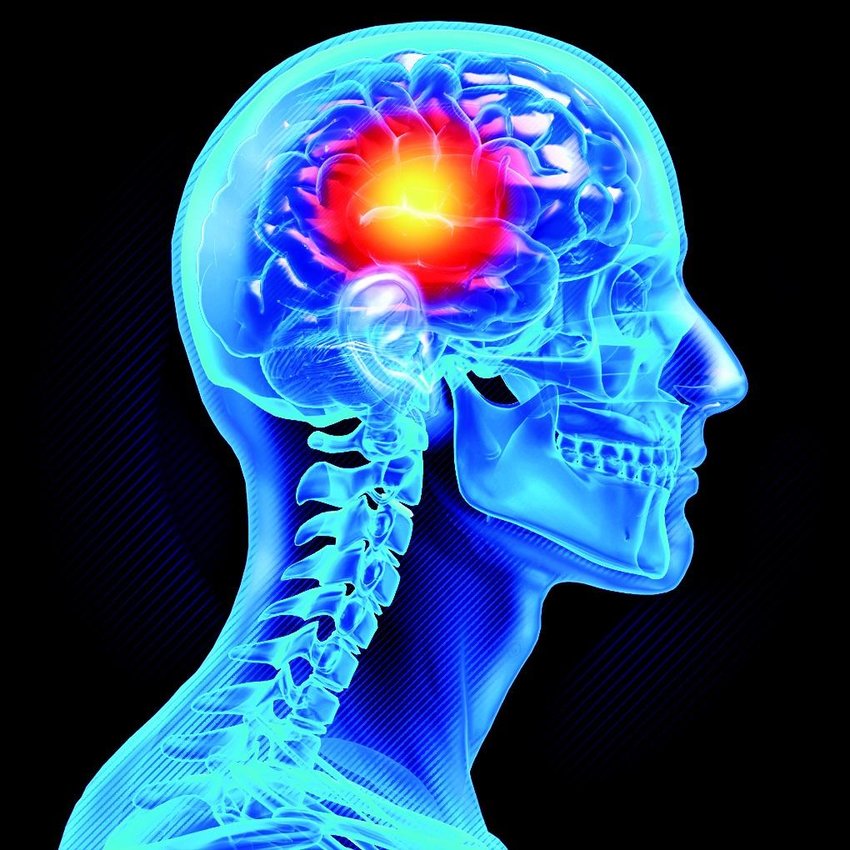
Research also suggests that brain activity in those prone to irritability differs from that of individuals with calm temperaments. A study published in the American Journal of Psychiatry revealed heightened activity in the striatum, a brain region associated with reward processing, among irritable children when faced with frustration. This pattern may apply to adults as well, indicating a potential biological basis for irritability.
While irritability can signal a need for deeper mental health evaluations, not all cases are indicative of mental health disorders. Some individuals may simply have a temperament that predisposes them to irritability. Factors such as sleep deprivation, stress, or hormonal changes can exacerbate these feelings, indicating the need for lifestyle adjustments.
To mitigate irritability, scientists and therapists recommend various strategies. Jha, a psychiatrist at UT Southwestern Medical Center, advises those experiencing severe irritability to seek a full psychiatric evaluation. Treatments for underlying conditions, such as antidepressants, have shown success in reducing irritability and associated suicidal thoughts.
Innovative treatments are also emerging. Some researchers are exploring the efficacy of oxytocin nasal sprays for treating irritability in children and teens. Meanwhile, other techniques such as transcranial magnetic stimulation aim to restore normal brain activity in reward-processing regions.
Cognitive behavioral therapy (CBT) is another effective approach, teaching individuals to recognize early signs of anger and develop constructive responses. Additionally, practical strategies like tracking emotional and physiological states can empower individuals to manage their irritability better.
Mental health experts like Olivia Metcalf emphasize the importance of self-awareness. Simple methods, such as using apps to monitor anger levels and physiological changes, can help individuals understand their emotional triggers and manage their responses more effectively.
In conclusion, while irritability is a common emotional reaction, its management is crucial for mental well-being. Recognizing the signs and seeking appropriate support can lead to healthier emotional responses and improved quality of life. For those facing severe emotional distress, including suicidal thoughts, immediate assistance is available through crisis hotlines such as the 988 Suicide & Crisis Lifeline.