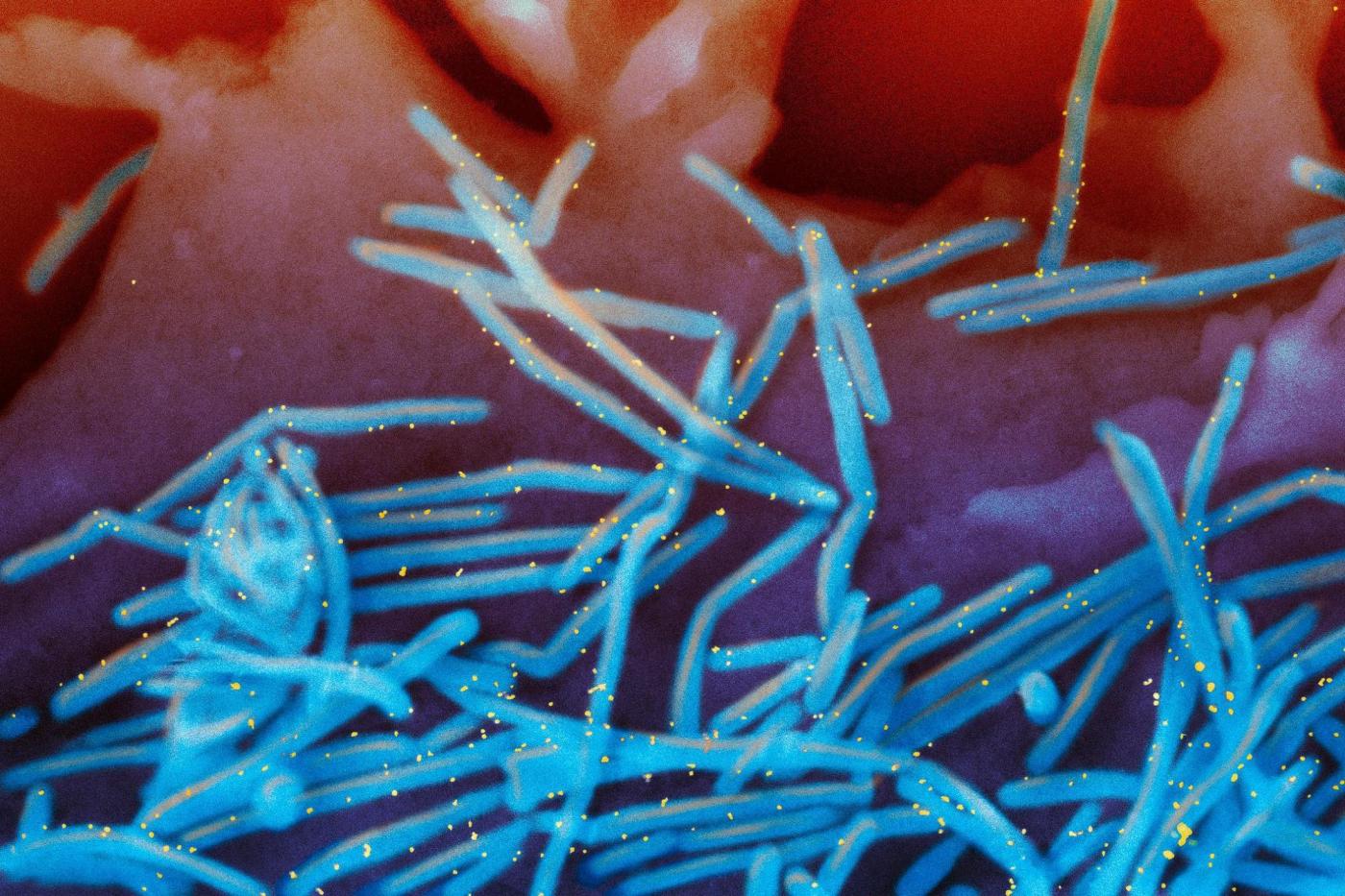
A new international study has identified significant shifts in gut bacteria at the onset of inflammatory bowel disease (IBD), providing insights that could lead to earlier diagnosis and improved treatment options. Researchers found that these changes occur before the onset of noticeable symptoms, suggesting a potential window for intervention.
The gut microbiome plays a crucial role in human health, influencing various bodily functions, including digestion and immune response. According to the findings published on October 1, 2023, in the journal *Nature Medicine*, the alterations in gut bacteria composition are among the first detectable signs of IBD.
Insights from the Research
The research team, comprised of experts from multiple countries, analyzed samples from over 500 patients diagnosed with IBD and a control group of healthy individuals. They discovered that certain bacterial species diminished significantly in patients prior to the clinical manifestation of the disease. This early identification of gut microbiome changes may serve as a marker for IBD, allowing for timely interventions that could improve patient outcomes.
Dr. Jane Smith, lead researcher and microbiologist at the University of Health Sciences, emphasized the implications of these findings. “Understanding the gut’s microbial landscape early in the disease process could revolutionize how we diagnose and treat IBD,” she stated. “This study opens avenues for potential preventative strategies.”
The research highlights a pressing need for further exploration into the gut-brain axis and its influence on inflammatory conditions. The medical community now faces the challenge of integrating these findings into clinical practice, which could change the current diagnostic timeline for IBD.
Future Directions in IBD Treatment
The potential for developing targeted therapies based on gut microbiome composition could transform the management of IBD. Current treatment options primarily focus on managing symptoms rather than addressing underlying causes. By identifying specific bacterial imbalances, researchers hope to create therapies that restore gut health before severe symptoms arise.
The study’s findings also suggest the importance of lifestyle factors, such as diet and environment, in shaping gut bacteria. As the medical field continues to unravel the complexities of the gut microbiome, patients may benefit from personalized nutrition plans aimed at maintaining a healthy microbial balance.
This research not only represents a significant advancement in the understanding of IBD but also underscores the importance of interdisciplinary collaboration in tackling complex health issues. As findings from this study gain traction, healthcare professionals are encouraged to stay informed about emerging diagnostic tools and treatment strategies that could enhance patient care.
In conclusion, the early detection of gut bacteria changes represents a promising frontier in the battle against IBD. As studies continue to evolve, the hope is that patients will experience a new era of proactive management for this challenging condition.