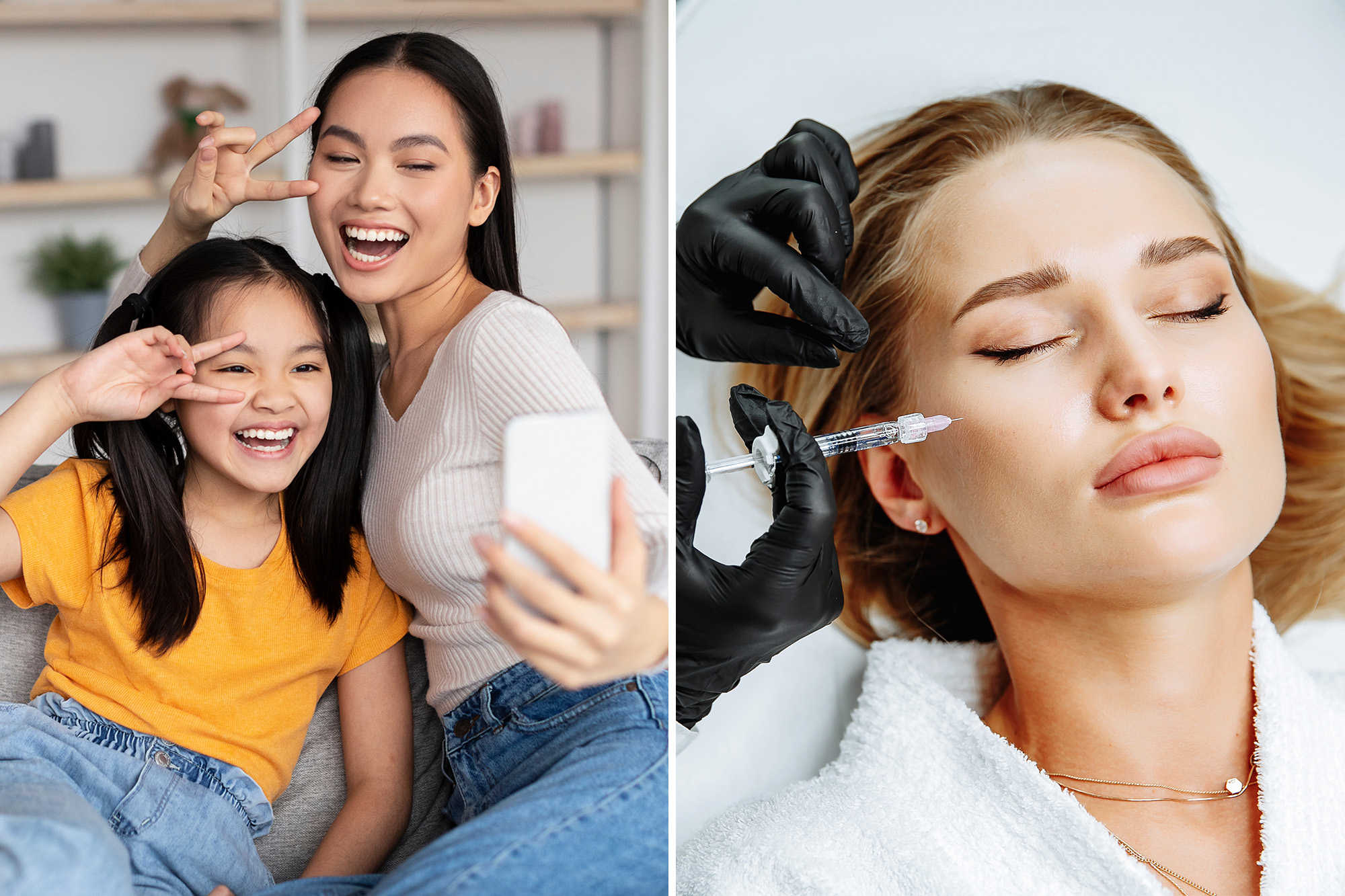
A recent study conducted in China suggests that mothers who frequently take selfies may inadvertently influence their children’s attitudes towards plastic surgery. The research, which included 541 mother-child pairs, found that teenagers are more likely to consider cosmetic procedures if their mothers exhibit “self-related behavior” that fosters a preoccupation with appearance.
The study, published in the Journal of Health Psychology, highlights a concerning trend among adolescents who engage in “body surveillance” and exhibit dissatisfaction with their own appearance. Researchers noted that both boys and girls, averaging 16 years of age, who display these tendencies are more likely to contemplate undergoing cosmetic surgery. While the study did not specify how many teens actually pursue such procedures, it emphasized that a consideration of plastic surgery significantly increases the likelihood of undergoing a procedure.
While no direct causation was established between mothers’ selfie habits and their children’s cosmetic surgery considerations, the researchers indicated that maternal behaviors might indirectly shape their offspring’s self-image. According to a separate study by Brigham Young University, mothers serve as critical role models for their children’s perceptions of body image, underscoring the importance of their influence.
The impact of parental behavior on body image has been observed in various contexts. Notably, social media figures have come under scrutiny for promoting unrealistic beauty standards. For instance, in June 2023, New Jersey influencer Noel LaPalomento faced backlash after bringing her seven-year-old daughter, Giada, to a tanning salon. Similarly, reality TV star Kim Kardashian was criticized when her twelve-year-old daughter, North West, appeared in a TikTok video adorned with a nose ring and fake tattoos.
The phenomenon of selfie obsession is also linked to narcissism and potential personality disorders, as indicated by a study from the University of Palermo. This research revealed that daughters who perceive their mothers as less caring or overly protective are more likely to experience body dissatisfaction.
As the influence of social media continues to grow, the implications of these findings warrant attention. The relationship between maternal behavior and children’s body image raises critical questions about the role of parental guidance in shaping self-perception and the potential long-term effects of societal beauty standards.