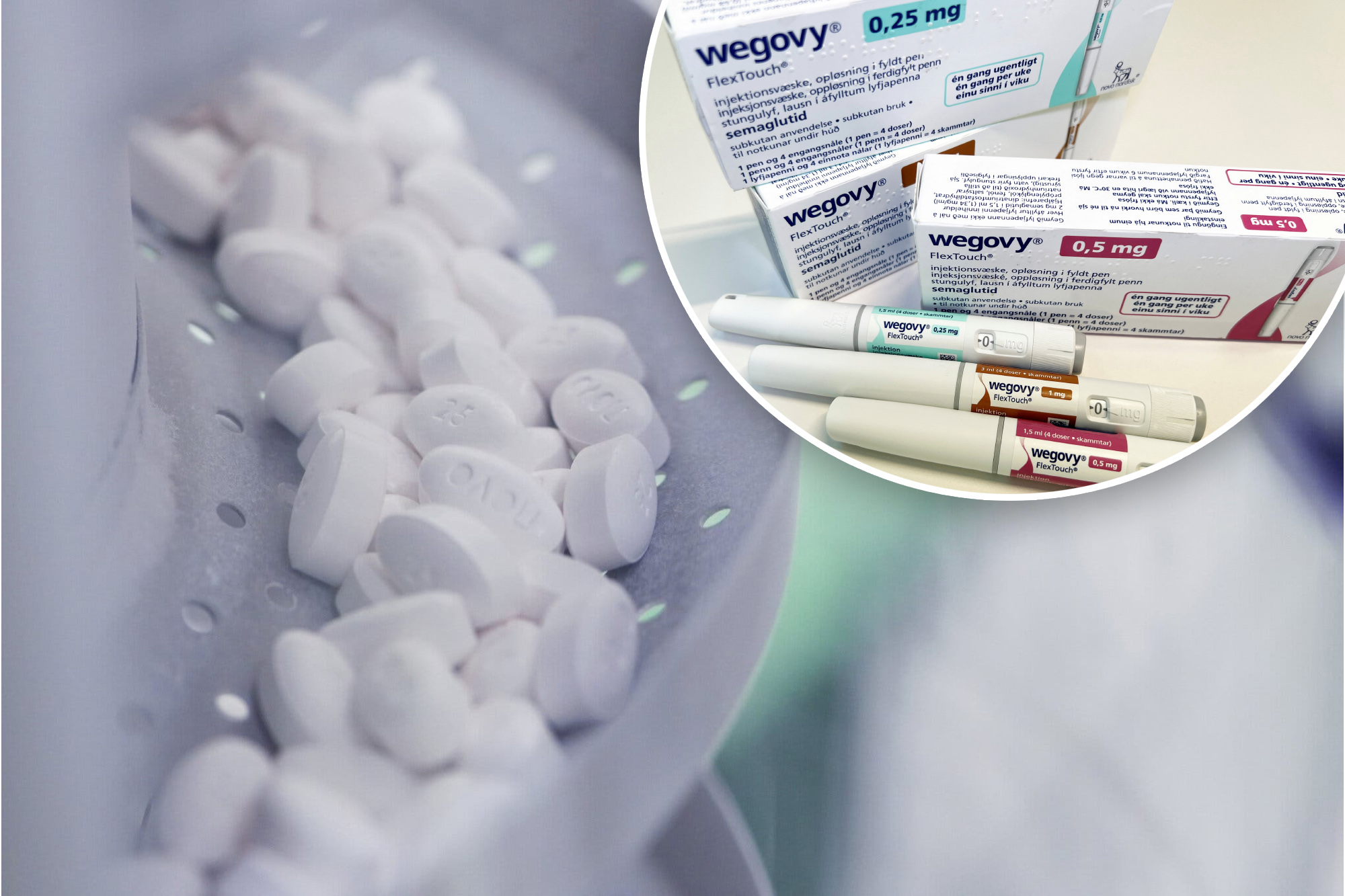
The recent agreement between the UK government, led by Keir Starmer, and the administration of Donald Trump regarding pharmaceuticals has sparked significant debate. While government officials tout the deal as a transformative step for the UK’s healthcare sector, critics warn it could lead to increased costs and negative health outcomes for British citizens.
The deal, which has been described by Patrick Vallance, the UK’s science minister, as a “world-beating deal,” aims to position the UK as a leading hub for life sciences. Peter Kyle, the business secretary, echoed this sentiment, claiming it would benefit “tens of thousands of NHS patients.” However, reactions from Washington paint a different picture. Howard Luttnick, the US trade secretary, characterized the agreement as a “major win for American workers,” suggesting that the deal prioritizes American interests over British needs.
Reports indicate that the UK may face increased costs for medications as part of the agreement. According to the Office for Budget Responsibility (OBR), the NHS could incur an additional £3 billion annually due to inflated drug prices as a result of this deal. This increase would not translate into improved healthcare; rather, it would require reallocating funds from essential services, potentially resulting in longer wait times for treatments and decreased access to vital healthcare services.
Despite government assertions, there is skepticism regarding the accuracy of cost estimates. Wes Streeting, the UK health secretary, has disputed the £3 billion figure, yet no detailed explanation of his calculations has been provided. Conversations with independent experts, such as Karl Claxton, a professor at the University of York, suggest that the financial implications could be even graver. Claxton estimates that the deal could lead to an additional 15,971 deaths annually, attributing this to the resultant strain on NHS resources. If Streeting’s lower estimate holds true, this number would still represent over 6,000 extra deaths each year.
The lack of transparency surrounding the deal raises concerns. Unlike the recent AI agreement negotiated by the Starmer administration, there has been no formal documentation or parliamentary vote on this medicines deal. Coverage of this agreement in national newspapers has been limited compared to other pressing health issues, suggesting a potential gap in public awareness regarding its implications.
The pharmaceutical industry has long viewed the NHS’s pricing structures as problematic. The UK’s stringent regulations have historically resulted in significantly lower drug prices compared to the US market, where medications can cost up to three times more. This deal appears to shift the balance in favor of large pharmaceutical companies, with Donald Trump leveraging tariffs and pressure tactics to compel the UK to agree to higher prices.
In September 2023, a series of announcements from major pharmaceutical companies underscored the tension surrounding this deal. Merck canceled plans for a research facility in London, while Eli Lilly and AstraZeneca also scaled back their commitments to the UK. These actions have raised alarms about the potential long-term consequences of the deal on the UK’s life sciences sector.
Amidst these developments, health analysts have expressed concern that the deal could undermine the NHS’s core mission to provide equitable healthcare. Sally Gainsbury, a representative from the Nuffield Trust, emphasized that the agreement could lead to a situation where the NHS is “part of a Ponzi scheme,” prioritizing profits for pharmaceutical companies over patient welfare.
As the full ramifications of this agreement unfold, many are left questioning whether the benefits touted by government officials will materialize or if the deal represents a costly compromise that jeopardizes the health of the UK population. The implications for the NHS and its future remain uncertain, underscoring the need for greater transparency and accountability in such pivotal agreements.