A significant trend is reshaping the dining landscape as restaurants respond to consumer demand for healthier options by enhancing their menus with protein-rich offerings. This shift is being driven by changing eating habits and the influence of weight-loss medications, prompting chains like Subway and Starbucks to innovate and adapt to the preferences of health-conscious consumers.
Subway’s New Protein Initiatives
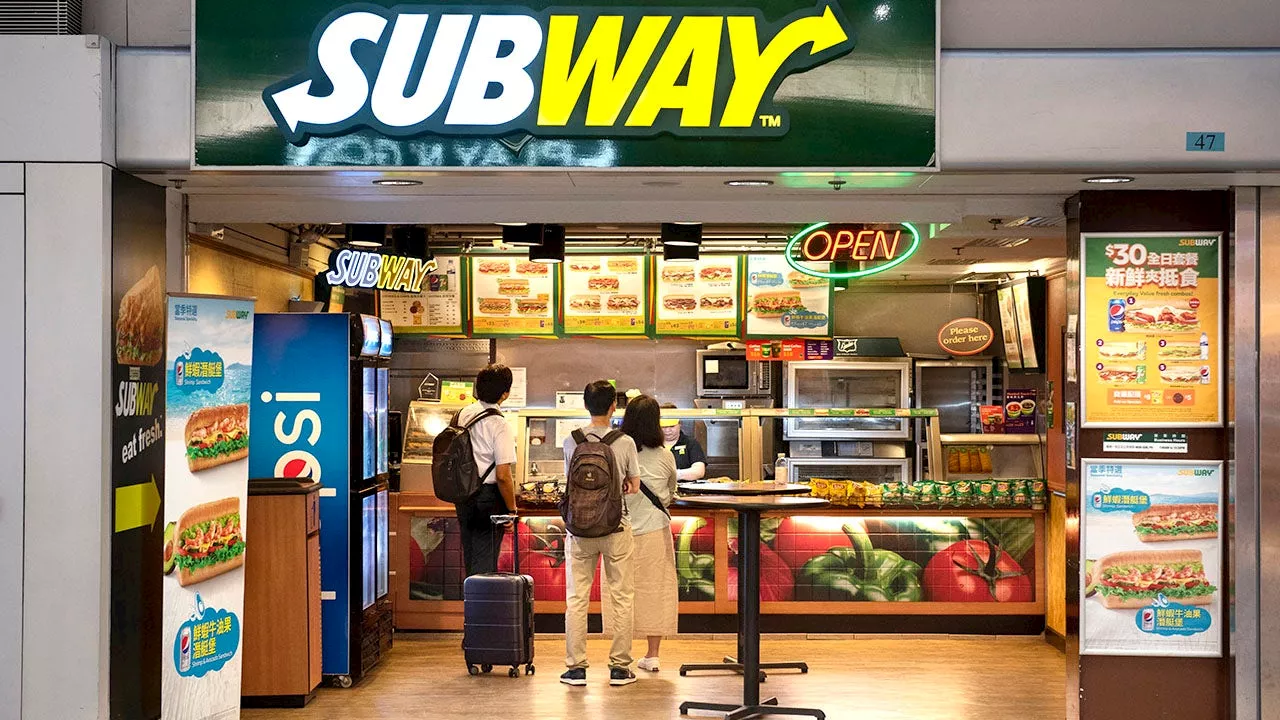
Subway recently launched its new Protein Pockets, soft tortillas filled with ingredients such as chicken, ham, turkey, vegetables, and sauces. Each pocket contains over 20 grams of protein and is priced under $4, reflecting the company’s commitment to providing affordable, nutritious options. According to Dave Skena, Subway’s Chief Marketing Officer for North America, the focus is on making protein more accessible to a broader audience.
This push towards protein-rich meals coincides with the rising popularity of weight-loss medications like Ozempic and Zepbound, which are influencing dietary choices and increasing the demand for high-protein meals. Subway is also enhancing its value menu with daily specials that emphasize protein, such as Meatball Monday and Turkey Thursday.
Starbucks and Sweetgreen Follow Suit
Starbucks is joining the movement by introducing Protein Cold Foam and protein-boosted lattes across its North American locations. These beverages offer between 15 and 36 grams of protein per 16-ounce serving, showcasing the company’s aim to modernize its beverage menu.
Similarly, Sweetgreen continues to expand its protein-centric offerings. As highlighted by Nic Jammet, co-founder and Chief Concept Officer, protein is becoming a critical factor in customer decision-making. The launch of The Function Menu in collaboration with Function aims to integrate nutritional guidance into Sweetgreen’s offerings, enhancing their menu with protein-rich options. Notably, in November 2025, Sweetgreen introduced its Protein Max Bowl, which boasts an impressive 106 grams of protein, marking it as the company’s most protein-dense item to date.
In addition to expanding portion sizes for chicken and tofu by 25% without changing prices, Sweetgreen has also implemented a macronutrient calculator within its app. This tool allows customers to track their intake of protein, carbohydrates, fats, and calories for both standard and customized meals.
Broader Industry Trends and Future Directions
Other restaurant chains are also capitalizing on this protein-centric trend. Brett Schulman, co-founder and CEO of Mediterranean chain Cava, has announced plans to enhance their protein offerings in the coming year. This includes adding premium items such as roasted salmon, responding to consumer preferences for high-quality protein sources like grilled steak and spicy lamb meatballs.
Beyond merely increasing protein content, some companies are adopting a holistic approach to nutrition. Rä Foods, a food tech and functional foods company, is developing products that emphasize nutrient density and bioavailability. Their Wild About Sprouts line, which retains its roots until consumption, aims to preserve essential enzymes and nutrients, reflecting a broader shift towards the quality of nutrients in food.
This evolution in the restaurant industry highlights a growing awareness among consumers of the significance of both protein and other essential nutrients. As dietary recommendations evolve, the focus on protein-rich meals is likely to intensify, reshaping consumer choices and restaurant offerings in the years to come.