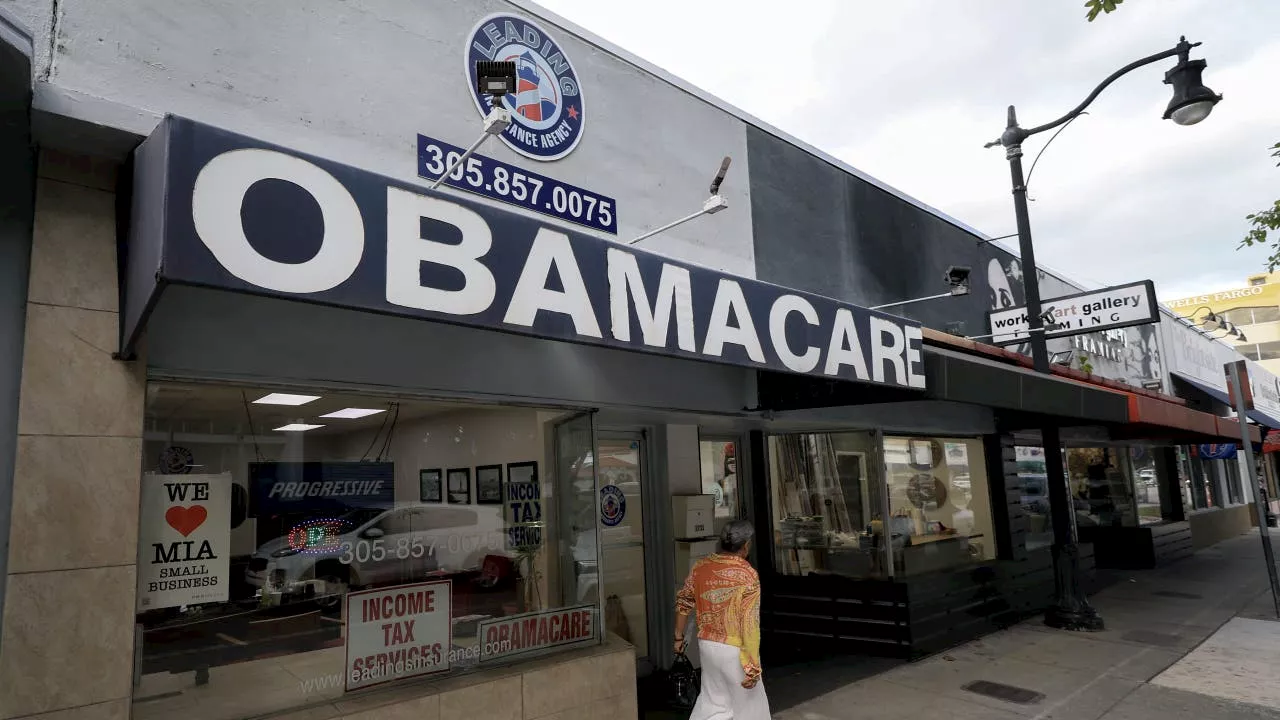
As the Affordable Care Act (ACA) subsidies are set to expire this month, a significant gap remains in the U.S. healthcare system. The Senate’s failure to advance a new Republican healthcare bill has highlighted ongoing challenges with rising premiums and limited coverage options. With healthcare costs increasingly outpacing inflation, a critical situation is unfolding for American consumers.
According to a report from the Kaiser Family Foundation in October 2023, healthcare affordability poses a severe issue for many Americans. The findings reveal that approximately 50% of U.S. adults struggle to afford healthcare, with 25% having difficulty paying medical costs in the past year. Among uninsured adults under 65, a staggering 82% reported challenges in affording healthcare. Even those with insurance are not immune, as 40% express concerns about monthly premiums and 62% worry about meeting their deductibles.
Senator Paul’s Proposal for Reform
In response to this healthcare crisis, Senator Rand Paul, a Republican from Kentucky, has introduced the Health Marketplace and Savings Accounts for All Act. This proposal aims to enhance consumer choice and competition in healthcare while reducing the government’s involvement. Paul argues that Americans deserve reforms that are both fiscally responsible and practical.
The legislation seeks to expand Association Health Plans (AHPs), allowing individuals to come together as part of associations outside traditional health insurance models. By harnessing group buying power, consumers could benefit from lower costs and a wider range of insurance options. Currently, existing policies limit the ability of Americans to negotiate insurance prices collectively, a factor that has led to frustration and limited choices.
Senator Paul emphasizes that rolling back outdated regulations, particularly those from the Employee Retirement Income Security Act of 1974, would significantly improve the situation. He envisions a market where individuals can access affordable health insurance through various groups, such as Costco or local gyms, rather than being tied to their employer’s offerings.
Expanding Health Savings Accounts
In addition to enhancing AHPs, Paul’s proposal includes significant changes to Health Savings Accounts (HSAs). These accounts offer tax advantages for healthcare expenses, and under the proposed legislation, the maximum annual contribution limit would rise to $24,500 for individuals by 2026. Furthermore, the bill aims to open HSAs to all Americans, irrespective of their insurance coverage or income level.
The proposed legislation would also expand the range of expenses eligible for HSA use, including gym memberships, fitness trackers, and dietary supplements. This expansion would enable families to invest in preventive healthcare measures and lead healthier lifestyles, providing them with greater financial flexibility in an era of rising healthcare costs.
Currently, millions of Americans lack access to HSAs, a valuable tool that allows individuals to save for medical expenses without incurring tax liabilities. By broadening access and enhancing group purchasing options, Paul’s proposal seeks to alleviate the financial strain that healthcare costs impose on households.
As healthcare premiums climb and ACA subsidies approach expiration, the need for genuine market reform is more urgent than ever. The Health Marketplace and Savings Accounts for All Act represents a significant step towards empowering consumers and providing them with the resources to make informed healthcare decisions.
Christina Smith, director of the Taxpayers Protection Alliance’s Consumer Center, emphasizes the importance of these reforms. She believes that patients should be empowered in their healthcare choices rather than relying solely on federal assistance. The proposed reforms could reshape the healthcare landscape, making it more responsive to the needs of American consumers.
In summary, Senator Rand Paul’s initiative offers a bold approach to a healthcare system in crisis. By expanding options and reducing governmental constraints, the proposal aims to foster a competitive marketplace that prioritizes consumer choice and affordability.