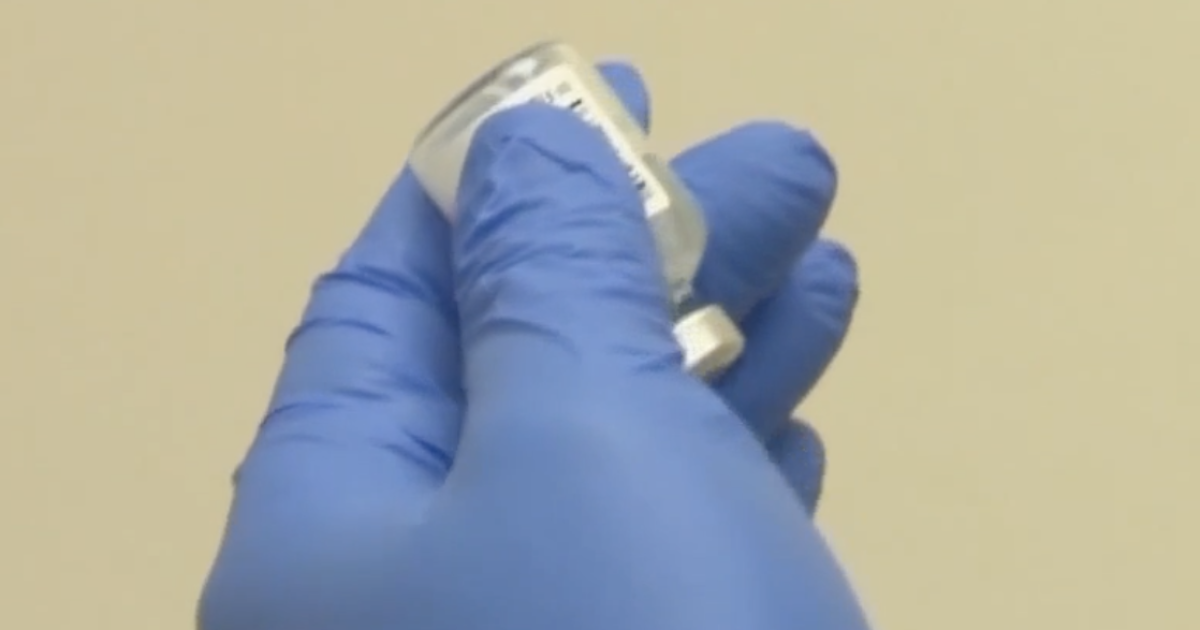
A new drug, currently undergoing clinical trials at Penn Medicine’s Abramson Cancer Center, is showing promise for patients battling pancreatic cancer, a disease notorious for its high mortality rate. Among the hopeful patients is Irene Blair, a 59-year-old grandmother from Newark, Delaware, who was diagnosed with stage 4 pancreatic cancer less than a year ago. In June, doctors estimated she had only six to eight months left to live. However, her participation in a trial for the drug daraxonrasib has transformed her prognosis.
The drug belongs to a class known as KRAS inhibitors, which target a protein that drives the growth of this particularly aggressive cancer. Pancreatic cancer has one of the highest mortality rates, with only 13% of patients surviving five years post-diagnosis. While daraxonrasib is not a cure, early clinical trial results indicate it may significantly extend survival time for patients like Blair.
In recent discussions, former Nebraska Senator Ben Sasse revealed his own struggle with metastasized, stage-four pancreatic cancer, highlighting the urgency and impact of advancements in treatment. The U.S. government has expedited the review processes for daraxonrasib, following encouraging results from initial trials conducted by Revolution Medicines, Inc., based in California.
Clinical trials have reported that among 38 patients in a phase 1 study, the drug doubled the median survival time from approximately seven months to 15.6 months compared to traditional chemotherapy. Mark O’Hara, Blair’s oncologist and a leader in KRAS inhibitor research at Penn, noted the need for more effective therapies beyond standard chemotherapy.
Blair began the therapy as part of a phase 3 trial in July. Remarkably, within three weeks, her cancer-related pain diminished. Follow-up scans in October revealed that her tumors were stable or decreasing, and her most recent scan in December showed no progression of her cancer. The side effects have been manageable, with occasional facial rashes being the most common issue.
As she progresses through her treatment, Blair seeks to reclaim her life, having retired from her job in real estate. She dreams of traveling to see family in California and Florida. Reflecting on her condition, she expressed the emotional weight of uncertainty surrounding her future: “You just wonder, ‘Will I be here next year?’”
The research community has long aimed to develop a drug that targets the KRAS protein, which, when mutated, acts like a gas pedal for cancer growth. This mutation is present in approximately 25% of all human cancers, especially in aggressive forms affecting the pancreas, lung, and colon. After decades of research, the first KRAS inhibitors were approved by the FDA in 2021 for lung cancer, paving the way for further advancements.
Daraxonrasib represents one of the first such therapies being tested for pancreatic cancer, which features KRAS mutations in nearly 90% of cases. It is classified as a “pan-RAS inhibitor,” targeting not only KRAS but also two other related proteins, HRAS and NRAS, that contribute to cancer proliferation.
During the phase 1 trial, over 90% of the 83 patients experienced stabilization of their pancreatic cancer during treatment, with around 30% reporting tumor shrinkage. For many patients, the drug offers more than eight additional months before their cancer resumes progression.
Administered in the form of three daily pills, daraxonrasib’s most prevalent side effect is a rash, which affected 91% of trial participants. Other common side effects include diarrhea, nausea, and mouth sores, though they are generally manageable with medication. O’Hara emphasized that these effects often allow for a better quality of life compared to traditional chemotherapy.
With ongoing research and clinical trials, the hope remains that drugs like daraxonrasib may change the landscape for pancreatic cancer treatment, offering patients like Irene Blair a chance for extended life and improved quality of living.