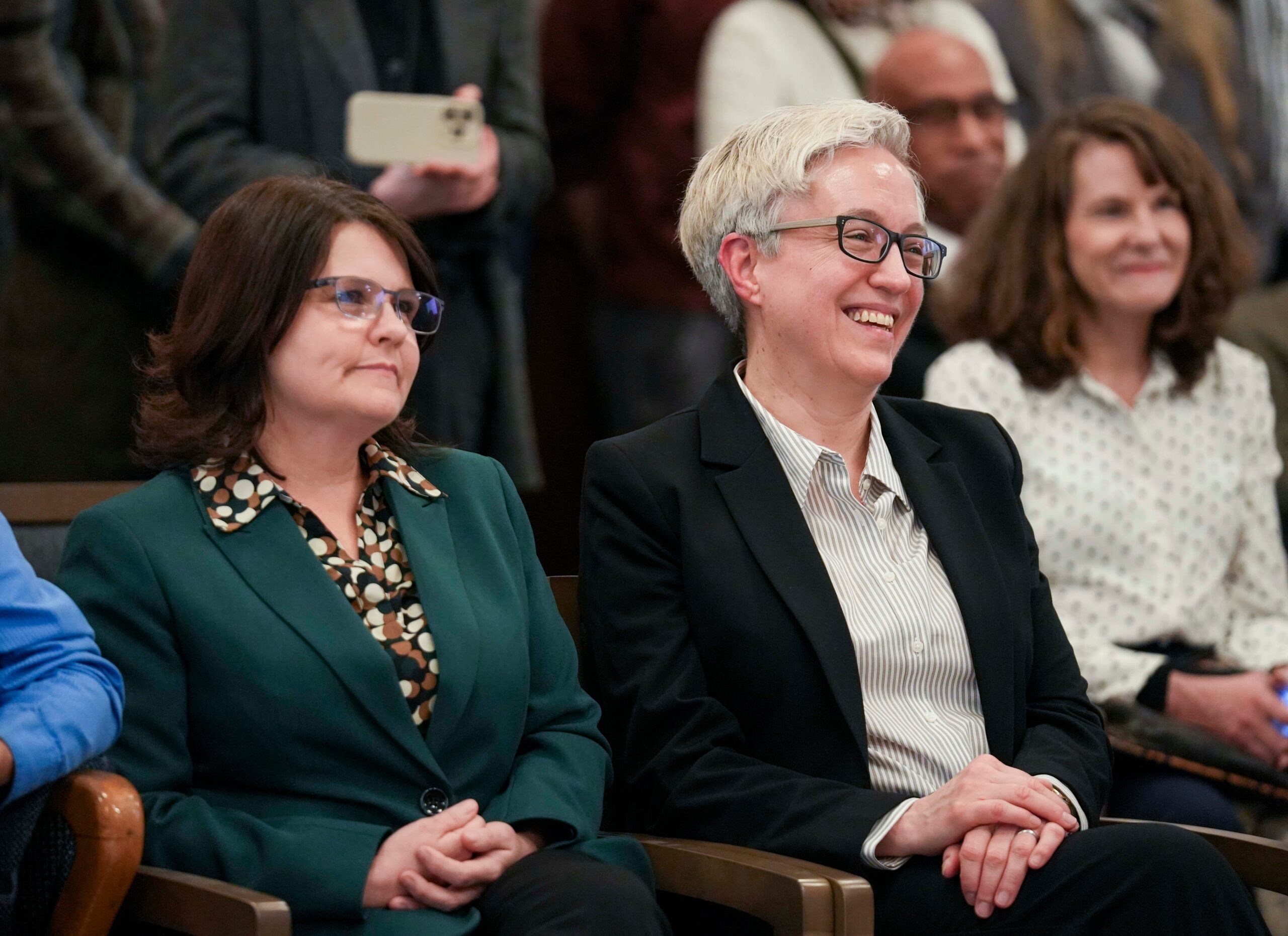
Oregon has launched a comprehensive plan to address the critical shortage of behavioral health workers, as highlighted in a recent report from a council established by Governor Tina Kotek. The initiative, led by Aimee Kotek Wilson, the First Lady of Oregon, aims to enhance recruitment, credentialing, and training processes within the state’s behavioral health sector.
The 128-page report outlines a total of 17 actionable plans categorized into three main areas: recruitment and retention, licensing and credentialing, and education and training. Each category details specific strategies intended to bolster the workforce amid escalating demand for services. “I’m grateful to the Council members for their incredible work,” said Kotek in a statement. “These action plans will help Oregon retain workers, attract new talent, and ensure more Oregonians can access care when they need it.”
The council’s findings emphasize that Oregon is currently struggling not only to attract new talent but also to retain existing behavioral health professionals. Many staff members face challenges related to affordability and burnout, often opting to leave for private practice. The 2025 talent assessment predicts that specific roles, such as psychologists and school counselors, will see demand outstrip supply, while positions like child, family, and school social workers, as well as mental health and addiction counselors, are projected to fall short by hundreds to thousands of positions.
The report indicates that turnover rates for certain roles are alarmingly high, with over two-thirds of respondents in nine out of 14 surveyed positions contemplating leaving their jobs. Contributing factors include low wages and high levels of burnout. Between 2021 and 2025, Oregon invested more than $85 million in the behavioral health workforce through initiatives like scholarships and hiring bonuses. However, the council noted the absence of existing data to measure the impact of these investments and recommended establishing a system to track recruitment and retention.
In its recommendations, the council suggests reducing administrative burdens by streamlining rules and reporting requirements. They propose leveraging artificial intelligence for processing necessary documents and eliminating redundant reports. “Oregon cannot recruit its way out of this crisis – retention is the most urgent and cost-effective strategy,” the report states.
To further support retention efforts, the council recommends implementing therapy services after traumatic events and providing culturally specific mentoring opportunities. For rural and tribal areas, strategies include developing “grow-your-own” roadmaps to foster talent within high-need regions. The report advocates for financial aid, paid internships, and targeted incentives to attract workers to underserved areas.
Many behavioral health positions require credentials, which can pose barriers for both new and seasoned professionals. Although the state has expedited the processing of certain applications, additional efforts to reduce obstacles are necessary. The council recommends that the Oregon Health Authority (OHA) create a “Behavioral Health Career Crosswalk” to help individuals understand various roles and the qualifications needed for them. A dedicated website for employers and workers, along with a chatbot to assist with licensing inquiries, is also proposed.
For those without a college degree or prior experience in the field, the council suggests establishing an entry-level behavioral health credential, contingent upon completion of OHA trainings. This credential aims to help individuals build a professional identity early in their careers and encourages them to remain in the field. Additionally, the report calls for increased staffing at the Mental Health Regulatory Agency and the Board of Licensed Social Workers to accelerate license processing.
The council also advocates for alternative pathways to licensure for individuals who have struggled with traditional exam requirements but can demonstrate proficiency through other means. They propose piloting an elective class in high schools focused on behavioral health careers and facilitating easier transfer of relevant credits from community colleges to universities. Other recommendations include dual credit programs and Career and Technical Education (CTE) pathways to reach underrepresented groups, such as immigrants and rural students.
To address financial challenges, the council has called for sustainable funding and incentive structures, such as loan repayment assistance and housing stipends, to strengthen recruitment and retention in rural areas. Transparency regarding licensure and further education requirements is also emphasized to ensure prospective students are fully aware of the commitments involved in entering the field.
The proposed House Bill 4083, which is based on the council’s recommendations, aims to streamline the credentialing process and facilitate supervision requirements for behavioral health professionals. The bill mandates that the OHA select an existing credentialing program for centralization and report on methods to alleviate administrative burdens. “These are solutions that providers told us they need now,” said Kotek Wilson during a public hearing on the bill. The legislation would allow licensed behavioral health providers to supervise individuals working toward their licenses, thereby broadening the scope of who can provide mentorship.
After passing the House on February 11, 2023, with 46 votes in favor and seven against, the Senate Committee on Early Childhood and Behavioral Health endorsed the bill for a Senate vote scheduled for February 19, 2023. Representative Tawna Sanchez, a proponent of the bill and a social worker by training, underscored the importance of streamlining the licensure process, emphasizing the potential for talented individuals to contribute to the field if the barriers are lowered.
Oregon’s strategic response to its behavioral health workforce challenges reflects a multifaceted approach aimed at enhancing service delivery and ensuring that Oregonians have access to the care they need.