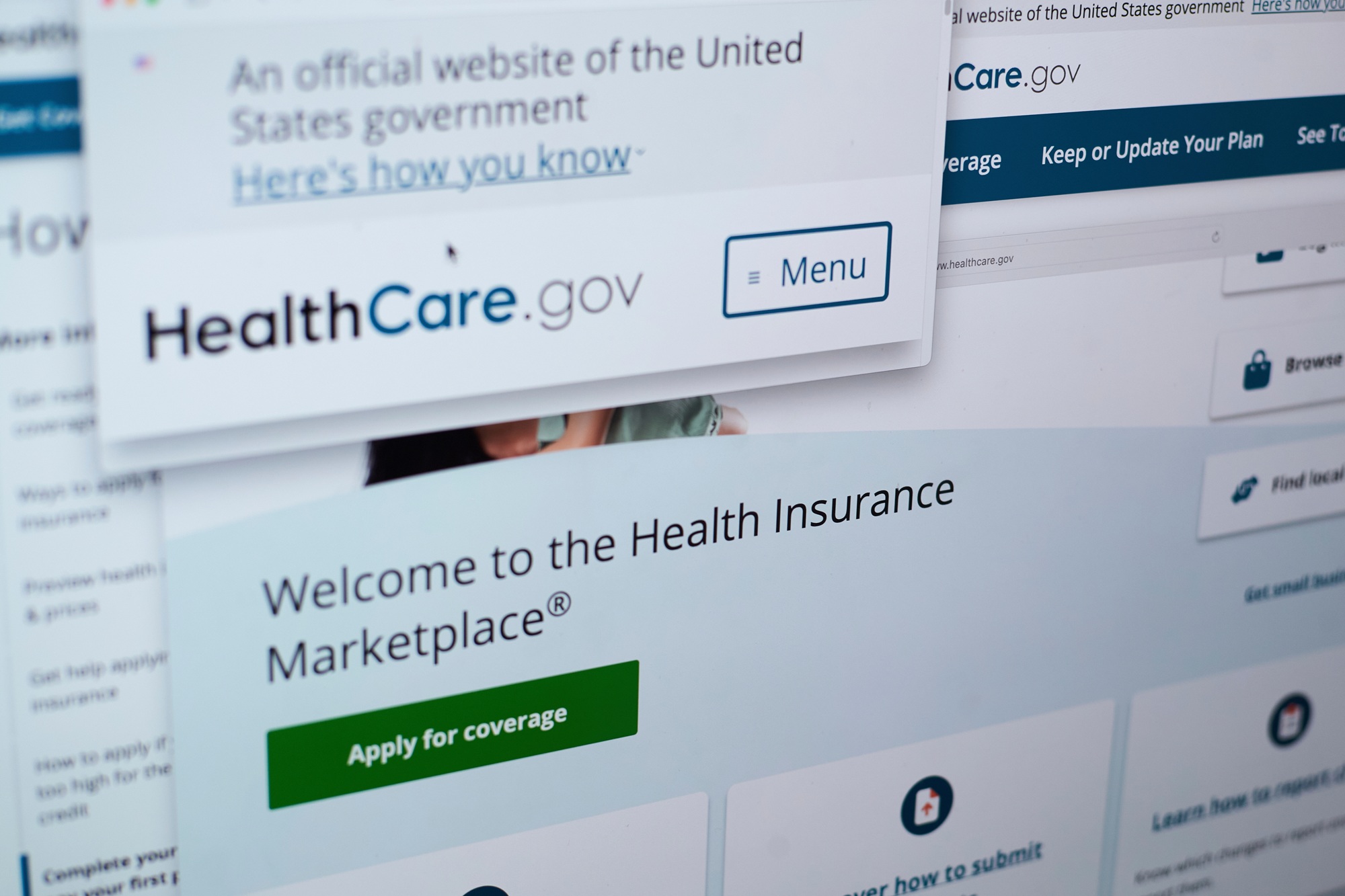
As the open enrollment period for 2026 insurance coverage begins, millions of Americans are experiencing significant increases in health insurance premiums. This surge is primarily attributed to the expiration of expanded subsidies under the Affordable Care Act (ACA), which had previously limited premiums for a benchmark insurance plan to 8.5 percent of income. Approximately 22 million individuals benefited from these subsidies, costing the government around $35 billion annually. With the subsidies set to revert to 2021 levels at the end of this year, many are faced with dramatic premium hikes, prompting some to reconsider their health insurance altogether.
In Colorado, retiree Jeff Rowan has observed a staggering increase in his premiums, which jumped from $350 per month to nearly $900. As a result, he opted for a plan through his pension, which still represents a 100 percent increase. Rowan described this financial burden as a decision driven by fear, stating, “The fear of something unexpected happening and my moderate savings being wiped out is forcing me to pay the piper.”
Similarly, small-business owner Galen Perkins from Wisconsin reflected on his past decision to forgo insurance, a choice that led to costly consequences when he required emergency care. This year, with his ACA premium rising by 25 percent, he has decided to absorb the cost and cut back on other expenses. “We’re just going to buy food, pay rent, pay health insurance, and that’s it,” he said, predicting that such adjustments will impact the economy overall.
Concerns are mounting as constituents voice their frustrations to lawmakers. Representative Seth Magaziner (D-RI) reported hearing from individuals facing “staggering” premium increases. One retired marketing executive shared that her current premium of $600 per month is expected to leap to $2,120, marking a staggering 250 percent rise. Another constituent, Sarah, a small business owner, anticipates her premium will go from $536 to over $1,000, an 89 percent increase.
Senator Michael Bennet (D-CO) indicated that his office has received over 3,200 inquiries regarding rising health care costs just this month. He remarked, “Working families are already struggling to get by as the costs of childcare, rent, and groceries continue to skyrocket. We must fight to extend this lifeline and bring down health care costs, or countless families will be forced to go without coverage next year.”
In a contrasting viewpoint, former President Donald Trump expressed his stance on social media, insisting that any healthcare plan should prioritize direct financial support to individuals rather than benefiting large insurance companies. He called for a system where people can negotiate their own insurance options, stating, “THE PEOPLE WILL BE ALLOWED TO NEGOTIATE AND BUY THEIR OWN, MUCH BETTER, INSURANCE.”
As lawmakers explore solutions, some Republican proposals involve providing direct financial assistance through flexible savings accounts, allowing individuals to negotiate prices with healthcare providers. Critics, however, argue this approach may not be effective, as many individuals are likely to return that money to insurance companies, which hold the leverage in negotiations with healthcare facilities.
The suspension of ACA subsidies, without a viable replacement plan, poses a risk of healthy individuals opting out of insurance, leading to a sicker pool of insured individuals. Dr. Vikas Saini, president of the Lown Institute, explained that this could result in increased costs for insurance companies, subsequently raising premiums for those who remain insured. The Congressional Budget Office has forecasted that millions may drop their health insurance due to unaffordability, further exacerbating the issue.
In central New York, Taylor M., who works in healthcare, noted that his employer-provided insurance is set to increase by 30 percent. Although he can manage the rise, the costs for colleagues covering families are becoming prohibitive. “I would say that on some level, people may not have realized that this is what they were voting for,” he reflected.
In Portland, Oregon, a worker named Sam expressed his struggles with the high costs of insurance premiums. He found that the lowest-cost ACA bronze plan would cost approximately $420 per month, which would not cover essential medications and would come with substantial deductibles. While he managed to switch to his wife’s private insurance, this added an additional $500 to their monthly expenses at a time when they are already facing economic strain. Sam voiced his concerns over possible policy changes affecting his young son, who is currently on Medicaid.
The current landscape reveals a challenging environment for many Americans navigating their healthcare options. As the situation evolves, families are left grappling with the financial implications of rising premiums and the potential rollback of protections that safeguard their access to essential services. The future of health insurance in the United States remains uncertain as policymakers debate the best path forward.