The state of Pennsylvania is facing scrutiny over a significant increase in the number of adolescents receiving puberty blockers, under an insurance billing code currently under investigation for potential fraud. Data indicates that over 220 claims for puberty-blocking medications were reimbursed for minors aged 10 to 13 between January 1, 2013, and December 31, 2024, costing taxpayers more than $1.8 million. The billing code in question, E30.1, is designated for precocious puberty, a diagnosis that has raised alarms among health officials and investigators.
A notable surge in claims has been observed, with figures jumping from zero in earlier years to 47 claims in the age group by 2017. The U.S. Department of Justice (DOJ) has expressed concerns that this billing code may have been misused by healthcare providers to obtain insurance coverage for gender-related interventions, rather than for its intended purpose of treating precocious puberty.
Dr. Kurt Miceli, medical director at Do No Harm, emphasized the unusual nature of this spike. He stated, “A spike of this magnitude in the diagnosis of precocious puberty — especially among children past the usual age — is highly atypical and raises the very real possibility that the diagnosis has been used as a billing workaround.” Such a scenario, he argues, merits serious investigation rather than being hindered by ongoing litigation.
Concerns Over Diagnosis and Treatment
Central precocious puberty is typically caused by an abnormality in the pituitary gland, which stimulates the production of sex hormones. This condition is generally diagnosed in children younger than eight. Dr. Roy Eappen, an endocrinologist, noted, “I would expect to see kids on puberty blockers for precocious puberty if they are age 8 and younger. I would be surprised to see girls or boys on puberty blockers for precocious puberty after age 8.”
Dr. Quentin Van Meter, a pediatric endocrinologist, further commented that diagnosing precocious puberty at age 10 is “very, very rare.” He suggested that children initiating puberty blockers at age 11 and older are more likely to be transgender minors whose conditions have been misclassified under the precocious puberty diagnosis. “You’re basically trying to block true puberty, which you shouldn’t do,” Van Meter added.
The data obtained by the Daily Caller News Foundation reflects a staggering increase of over 2,100 percent in reimbursements for claims using the E30.1 code from 2013 to 2017. The total for minors under 18 rose from $34,906 in 2013 to $786,728 in 2017. Notably, there were no claims for puberty blockers using this code from 2010 to 2012.
Eappen described the sudden increase in the use of a specific diagnostic code for an endocrine disorder as “highly unusual,” suggesting that such trends are typically observed in infectious diseases rather than hormonal conditions.
Federal Investigation and Implications
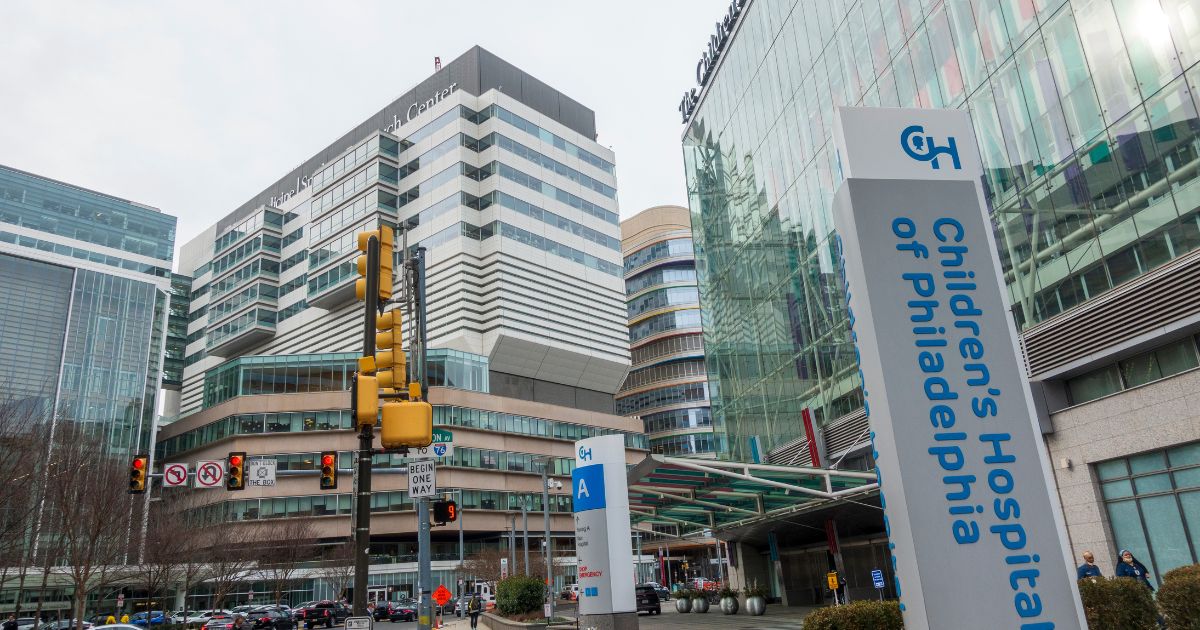
The DOJ is actively investigating potential billing fraud related to puberty blockers in Pennsylvania and other states. In a court filing from October 2025, the DOJ noted that the initiation of puberty blockers at age 10 and above under the diagnosis of precocious puberty raises suspicions of fraudulent activity. More than 20 providers, including the Children’s Hospital of Philadelphia and Boston Children’s Hospital, were subpoenaed as part of the investigation.
Analysis of insurance claims revealed that nearly 250 minors at the Children’s Hospital of Philadelphia were diagnosed with Central Precocious Puberty at age 10 or older between 2017 and 2024. The DOJ’s findings suggest that the sudden rise in such diagnoses at these ages may indicate an attempt to mislead insurance companies regarding coverage for puberty blockers in children experiencing gender dysphoria.
The costs associated with puberty blockers can be substantial, with claims averaging over $11,200. Nadia Dowshen, co-founder of the CHOP Gender Clinic, stated that if insurance does not cover these treatments, they become financially inaccessible to most families.
In July 2025, CHOP filed a motion against the DOJ’s subpoena, arguing that it violated patient privacy rights. The DOJ countered that the requested patient information was necessary to determine whether improper billing codes were used with fraudulent intent.
Dr. Van Meter asserted that proper documentation would exist for a minor diagnosed with precocious puberty, including laboratory results and evidence of early pubertal development.
The ongoing investigation highlights the complexities surrounding the medical treatment of minors with gender dysphoria and the ethical implications of billing practices. As the situation develops, both healthcare providers and policymakers are urged to consider the impact of these findings on future treatments and regulations.