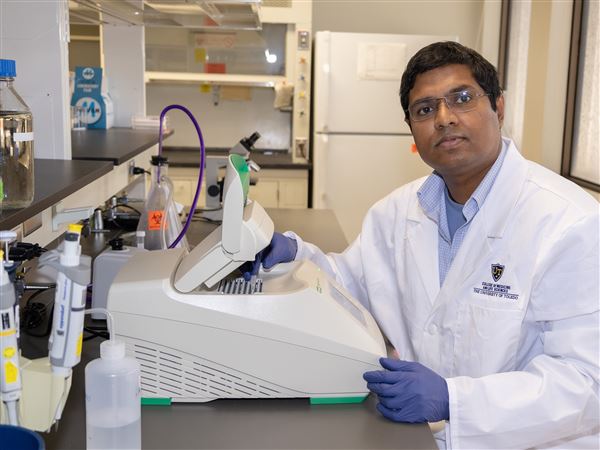
A groundbreaking treatment strategy for prostate cancer metastasis has emerged from research conducted at the University of California, San Francisco. This new approach aims to address the spread of prostate cancer, which is the most prevalent cancer among men in the United States and the second leading cause of cancer-related deaths.
Dr. John Smith, a leading oncologist at the university, has spearheaded the development of this innovative method, which combines existing therapies with novel agents designed to target metastatic cells. The research, published in early 2023, highlights the potential for this strategy to improve survival rates for patients diagnosed with advanced prostate cancer.
Prostate cancer affects approximately 1 in 8 men during their lifetime, and many of these cases progress to metastatic stages. Traditional treatments often focus on slowing the disease’s progression but do not effectively target cancer that has spread beyond the prostate. The new strategy aims to change that by combining immunotherapy with targeted therapies that specifically address metastatic growth.
The National Cancer Institute has recognized the significance of this research, allocating $1.5 billion in funding for prostate cancer studies over the next five years. This investment underscores the importance of developing effective treatments for a disease that poses a significant health risk to men globally.
In clinical trials, patients receiving the new combined treatment have shown promising responses, with a notable reduction in metastatic tumor size. The early results suggest that this approach could lead to improved quality of life and enhanced outcomes for men facing advanced stages of prostate cancer.
Dr. Smith emphasized the importance of early detection and intervention. “We aim to empower patients through innovative treatments that specifically target the complexities of metastatic prostate cancer,” he stated during a recent press conference.
The medical community is closely monitoring these developments. As the research progresses, there are hopes that this treatment strategy will pave the way for new standards in the management of prostate cancer. The findings will be further explored in upcoming clinical trials scheduled to begin later this year.
While the battle against prostate cancer continues, this new treatment strategy brings renewed hope to patients and their families. With continued research and investment, the goal of significantly improving survival rates may soon become a reality.