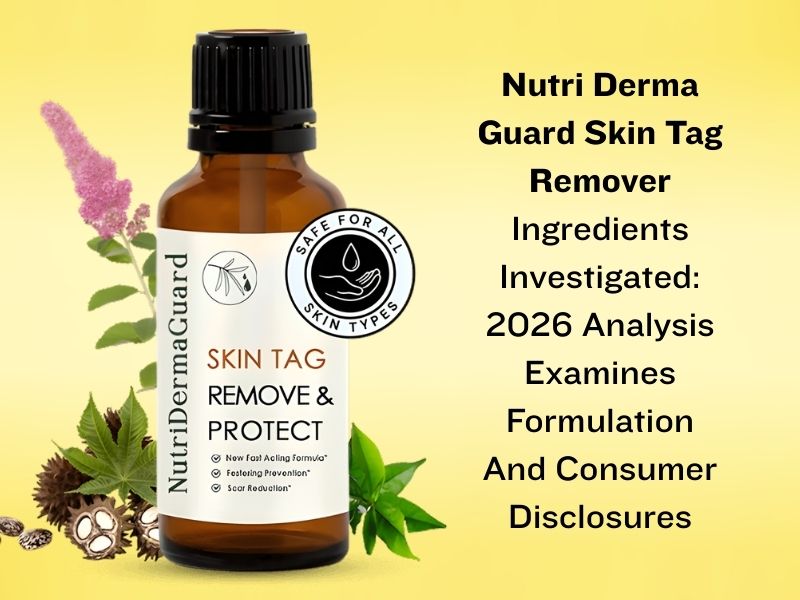
A recent analysis has shed light on the ingredients of **NutriDerma Guard Skin Tag Remover**, focusing on its formulation and the implications for consumers. As interest in at-home skincare solutions grows, this examination provides a comprehensive look at the product’s ingredient profile and the scientific context surrounding its active compounds.
The analysis, published on January 10, 2026, in Largo, FL, emphasizes that while the information presented is educational, it is not intended as medical or dermatological advice. Consumers are encouraged to consult qualified healthcare professionals before using any skin treatment product.
Understanding Skin Tag Removal Options
Skin tags, also known as acrochordons, are benign growths common among adults. These growths typically appear in areas prone to friction, such as the neck, underarms, and eyelids. While skin tags are generally harmless, many individuals seek removal due to cosmetic concerns, discomfort from irritation, and the potential for growth over time.
The escalating consumer interest in products like NutriDerma Guard is driven by several factors. Many individuals feel self-conscious about visible skin tags, particularly in prominent areas. Additionally, skin tags can cause physical irritation when they catch on clothing or jewelry. The increasing number of skin tags with age, particularly after 40, also prompts many to explore removal options. The financial burden of professional removal, which often requires multiple appointments, further fuels the demand for at-home alternatives.
Navigating the Ingredient Landscape
NutriDerma Guard Skin Tag Remover contains the following ingredients as per product disclosures:
– **Alcohol Denat.**
– **Ricinus Communis (Castor) Seed Oil**
– **Melaleuca Alternifolia (Tea Tree) Leaf Oil**
– **Salicylic Acid**
Manufactured in the United States under Good Manufacturing Practice (GMP) standards, NutriDerma Guard is marketed as cruelty-free and is based in Largo, Florida. The combination of these ingredients reflects a blend of botanical extracts and established compounds known for their skin benefits.
The analysis emphasizes that the ingredient research is based on publicly available data and does not evaluate the product’s efficacy in clinical trials.
**Castor Oil** has a rich history in traditional medicine and is known for its humectant properties, helping to maintain moisture balance in skin tissue. Studies have shown that it can penetrate the outermost layer of skin, though its effectiveness for skin tag removal lacks clinical validation.
**Tea Tree Oil**, extracted from the leaves of the Australian plant, is renowned for its antimicrobial properties. Research indicates that it may assist in managing various skin conditions, although its specific effects on skin tags remain theoretically grounded and unverified through clinical studies.
**Salicylic Acid**, a well-established beta-hydroxy acid, is recognized by the U.S. Food and Drug Administration for certain over-the-counter applications, including wart treatment. Its keratolytic action helps promote the shedding of thickened skin tissue, making it a key component for many topical formulations targeting skin abnormalities.
Lastly, **Denatured Alcohol** serves multiple roles in topical formulations, including as a solvent and penetration enhancer. However, its presence raises concerns for individuals with sensitive skin, as it may lead to irritation.
Consumers should approach topical solutions like NutriDerma Guard with caution. The product’s labeling advises against use on sensitive areas, and individuals are encouraged to follow all instructions carefully. The company does not guarantee specific timelines for results, emphasizing that individual reactions can vary significantly.
For those exploring at-home skin tag removal, a self-assessment framework may help determine suitability. Individuals who prefer non-invasive methods or have multiple small growths may find topical options appealing. Conversely, those with growths in sensitive areas or those noticing changes in existing growths should seek professional evaluation.
In summary, while NutriDerma Guard presents an intriguing option within the category of topical skin tag solutions, consumers should remain informed and cautious. The analysis highlights the importance of consulting healthcare professionals for personalized advice and emphasizes that individual results can differ widely.
As the interest in topical skincare solutions continues to rise, understanding the ingredients and their implications is essential for making informed choices.