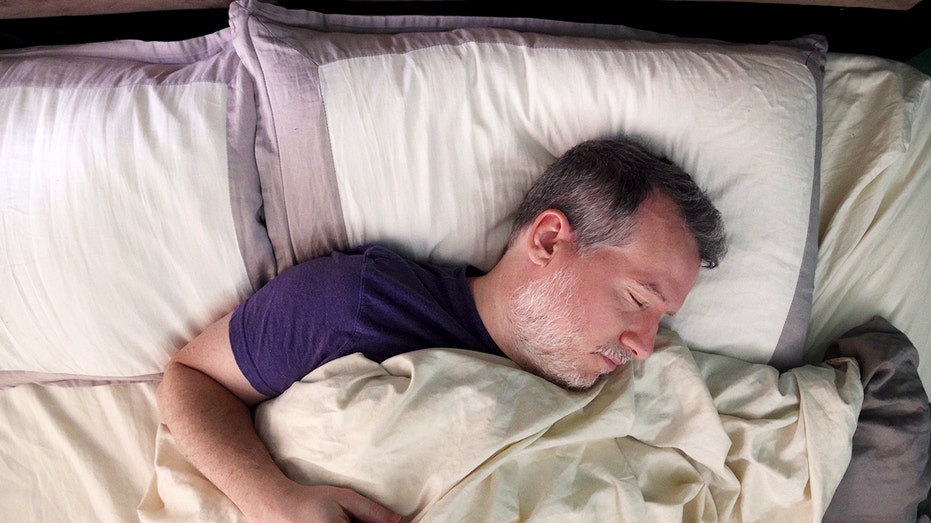
Reevaluating sleep positions is essential for maintaining nerve health, according to health experts. Research suggests that common sleeping postures can lead to various health issues, including pain, acid reflux, and nerve compression.
Todd Anderson, co-founder of Dream Performance & Recovery and host of the “Beat the Heat” podcast, highlights that the way individuals lay down at night may pose risks beyond mere discomfort. The position one chooses can affect not only sleep quality but also overall health.
According to Shelby Harris, a clinical psychologist and behavioral sleep specialist, comfort often dictates sleep positions. “What we care about is if someone is comfortable in their sleep position,” she explained. While comfort is significant, inappropriate positions can lead to additional stress on the body’s nerves, muscles, and ligaments.
### The Impact of Sleeping Positions
Research indicates that sleeping with joints bent or limbs tucked can compress nerves and diminish circulation. Notably, the “T. rex position,” a term popular on social media, refers to the posture of having arms tucked close to the body, which can result in numbness during the night. A review published in 2023 on cubital tunnel syndrome warns that sleeping with the elbow sharply bent can increase pressure on the nerve, exacerbating symptoms like numbness and shooting pain in the forearm.
While some may think that sleeping on their back is a safer alternative, this position has its own drawbacks. According to the Sleep Foundation, back sleeping can contribute to snoring and acid reflux. Therefore, it is crucial to weigh the benefits and risks associated with different sleeping postures.
### Recommendations for Better Sleep
Experts advocate side sleeping as a more beneficial option, as it exerts less pressure on the body. The Sleep Foundation notes that lying on one’s side helps align the spine and reduce discomfort. In contrast, stomach sleeping, although less common, can lead to significant spinal misalignment and associated pain due to the necessity of twisting the head to breathe.
The Mayo Clinic recommends side sleeping with knees slightly bent and a pillow between the legs to better align the spine, pelvis, and hips. This approach can significantly alleviate back pain. Johns Hopkins Medicine emphasizes that as individuals age or develop medical conditions, choosing the correct sleeping position becomes increasingly important for overall support and health.
Several medical centers and sleep resources advise gradually transitioning to side or back sleeping. They suggest using thinner pillows or none at all to minimize neck twisting and lumbar arching.
If individuals find it challenging to sleep, regardless of their position, or feel their sleep is not restorative, Harris encourages consulting a sleep specialist for further evaluation.
Addressing the impact of sleep positions is vital for promoting better health and preventing potential nerve damage. As awareness grows, individuals may benefit from reassessing their sleeping habits to ensure a more restorative and health-conscious approach to rest.