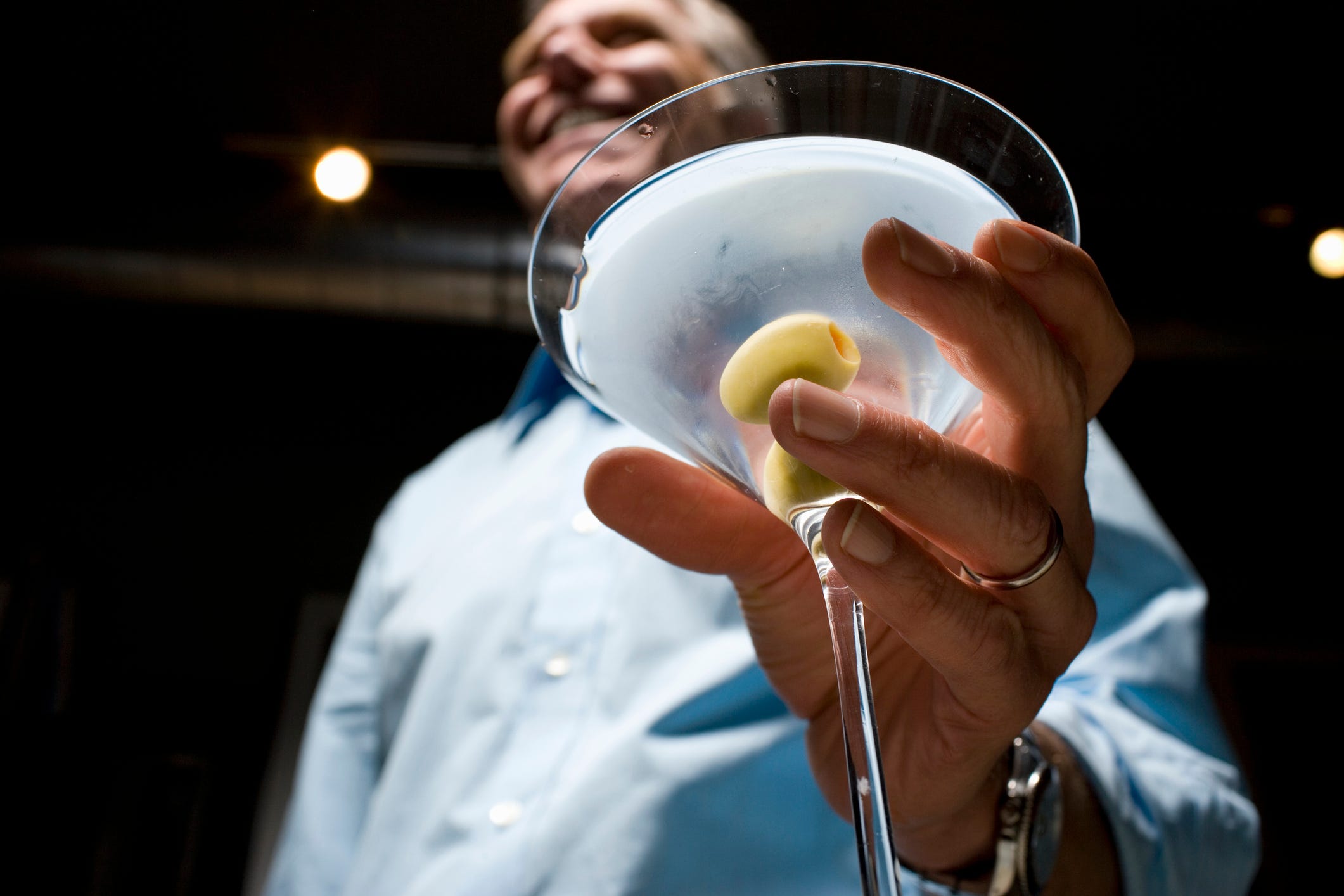
With the start of January, many individuals are reflecting on their alcohol consumption and considering alternatives to traditional resolutions. Instead of committing to a “Dry January,” a more effective approach may be adopting mindful drinking practices. This method emphasizes awareness and moderation, allowing individuals to enjoy their social lives while maintaining their well-being.
Understanding Mindful Drinking
Mindful drinking involves consuming alcohol with intention and awareness, promoting a healthy balance between enjoyment and personal health. It encourages drinkers to be conscious of their limits and the reasons behind their choices. This approach is not merely a temporary trend; it represents a sustainable lifestyle choice that can enhance overall quality of life. By adopting mindful drinking, individuals are not just participating in social events; they are prioritizing health without sacrificing enjoyment.
Dezi Abeyta, a registered dietitian nutritionist and founder of Foodtalk Nutrition LLC, advocates for this approach. She emphasizes that mindful drinking transforms each experience into a more fulfilling one, where every toast and celebration carries significance.
Practical Strategies for Mindful Drinking
To practice mindful drinking effectively, individuals can begin with simple strategies. For example, alternating alcoholic beverages with water is a classic technique that helps regulate intake. Abeyta points to the success of the Sunnyside app, which promotes mindful drinking through tracking and community support. Among the 25,000 participants in their “Dry(ish) January” program, those who fully abstained from alcohol reduced their consumption by an impressive 61 percent, while those who simply cut back reported a 22 percent decrease.
While technology can serve as a helpful tool, it is not essential for success. Individuals can achieve mindful drinking through self-awareness and reflection. For example, if someone typically unwinds with a drink after work, they might consider substituting that habit with a walk or a workout. Recognizing the cues that trigger drinking habits can lead to healthier alternatives and improved mental well-being.
Tracking habits, even with pen and paper, can foster awareness of drinking patterns and highlight positive changes. The key lies in understanding the motivations behind drinking choices and making conscious decisions that align with personal health goals.
The benefits of mindful drinking extend beyond immediate physical health. Individuals often experience enhanced energy levels, improved sleep, and better nutritional balance when they choose to drink with intention. Abeyta encourages individuals to reflect on how they feel the morning after a night of heavy drinking, underscoring the importance of being present and aware of one’s choices.
Mindful drinking serves as a commitment to a healthier lifestyle, allowing individuals to enjoy social interactions while prioritizing their well-being. As Abeyta notes, every day can be seen as significant, encouraging individuals to make choices that support their health and happiness.
By embracing mindful drinking, people can redefine their relationship with alcohol, making each moment and sip count.