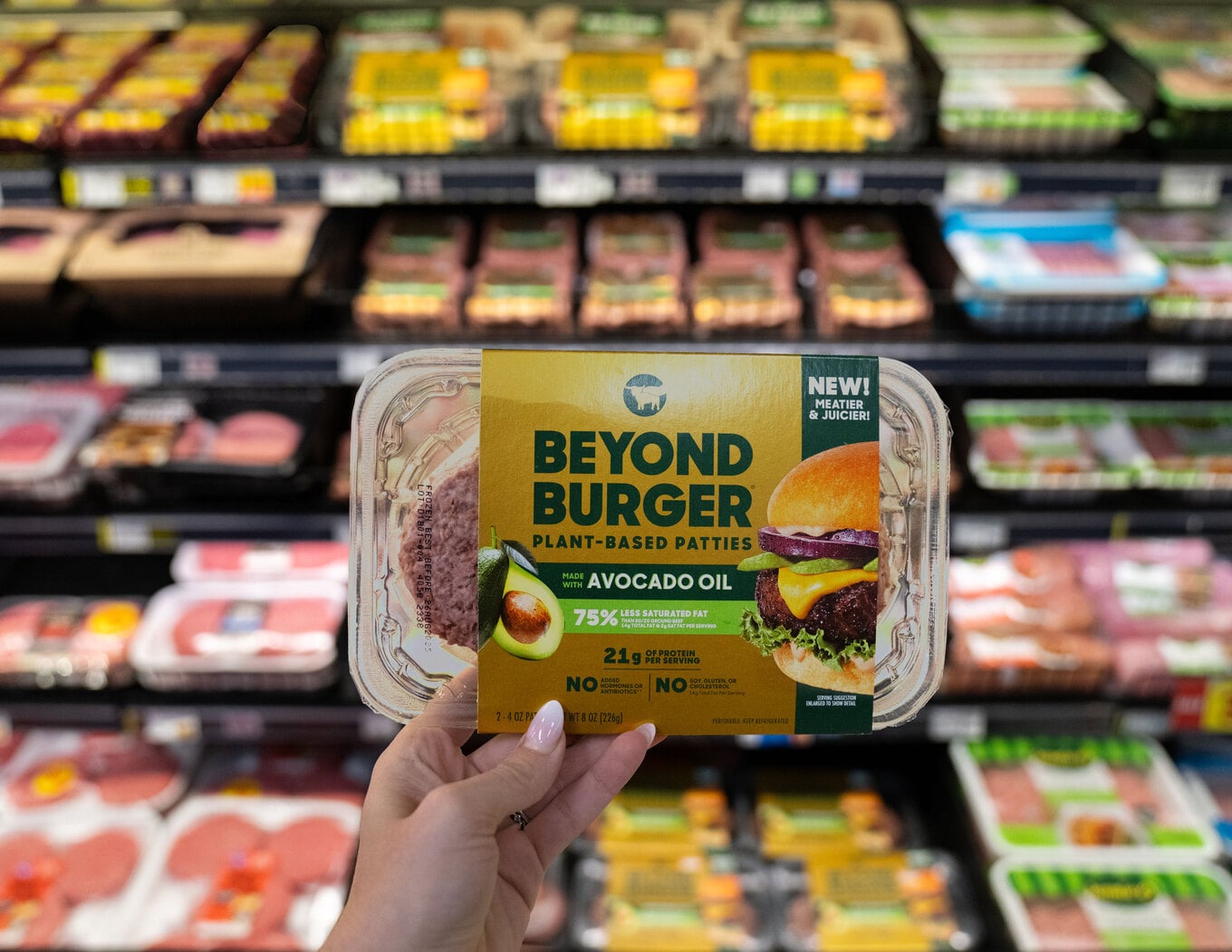
The debate over whether humans are intended to consume meat continues, with increasing evidence supporting the health benefits of adopting a plant-based diet. As consumers become more aware of these advantages, the market for meat alternatives is expected to grow significantly, projected to reach $162 billion by 2030.
Prominent voices in the medical community are advocating for a shift away from meat consumption. William C. Roberts, a cardiologist, states, “Although most of us conduct our lives as omnivores, human beings have characteristics of herbivores, not carnivores.” This perspective is gaining traction, as grocery stores and restaurants expand their offerings of plant-based substitutes for meat, eggs, and dairy.
The recommended dietary allowance for protein is generally 0.8 grams per kilogram of body weight. For example, a person weighing 150 pounds would need approximately 52 grams of protein daily. While many adults consume about 16 percent of their daily calories from protein, research from Harvard Medical School indicates that a relatively active adult requires only about 10 percent. This suggests that many individuals may be overconsuming protein, often from animal sources.
The medical community increasingly recommends reducing or eliminating meat consumption due to its links to various health issues, including cancer. Red and processed meats are particularly associated with higher health risks. The Oxford University study found that these types of meats are connected to a greater risk of nine non-cancerous illnesses, such as heart disease and diabetes.
Health Benefits of Plant-Based Diets
Adopting a plant-based diet not only benefits the environment and animal welfare but also offers significant health advantages. Here are some key benefits:
1. **Heart Health**: A plant-based diet is linked to a reduced risk of heart disease, according to the Physicians Committee for Responsible Medicine. Vegetarian and vegan diets contribute positively to cardiovascular health.
2. **Stroke Risk Reduction**: Consuming more plant-based foods like leafy greens and whole grains, while minimizing refined grains and added sugars, could lower stroke risk by up to 10 percent, as reported by Harvard Health.
3. **Improved Blood Sugar Control**: Research indicates that a healthy plant-based diet may be more effective than medication in preventing and managing type 2 diabetes, the most common form of the disease.
4. **Cancer Protection**: Studies show that meat and dairy consumption is linked to a higher risk of certain cancers. In contrast, plant foods contain phytochemicals that protect cells from damage. Vegetarians have a 14 percent lower chance of developing cancer compared to meat-eaters.
5. **Blood Pressure Reduction**: A vegetarian diet has been shown to lower systolic blood pressure by an average of 2.66 mmHg and diastolic blood pressure by 1.69 mmHg. Vegans exhibit even greater reductions.
6. **Enhanced Gut Health**: A diet rich in whole foods helps maintain a healthy microbiome, as it provides the necessary fiber to support beneficial gut bacteria. This can reduce inflammation and lower the risk of cardiovascular disease.
7. **Dementia Prevention**: Emerging evidence suggests that antioxidants found in plant foods can protect against neurodegenerative diseases, including dementia. These compounds can help safeguard cells and slow aging processes.
Plant-Based Protein Sources
Despite common misconceptions, there is an abundance of plant-based protein sources. Here are some notable options:
– **Seitan**: Made from wheat gluten, a 3-ounce serving can provide 15 to 21 grams of protein.
– **Tofu**: A versatile ingredient, half a cup of firm tofu contains approximately 10 grams of protein.
– **Lentils**: A half cup of cooked lentils adds around 12 grams of protein to meals.
– **Beans**: Half a cup of beans offers between 6 to 9 grams of protein and additional fiber.
– **Chickpeas**: These contain about 7.5 grams of protein per half cup.
– **Quinoa**: One cup provides around 8 grams of protein and includes all essential amino acids.
Strategies for Reducing Meat Consumption
Transitioning to a less meat-centric diet can take time, but several strategies can facilitate this change:
1. **Explore Vegan Cookbooks**: Find appealing recipes and gradually replace meat-based meals with plant-based alternatives.
2. **Focus on Breakfast**: Start your day with meatless options, such as oatmeal topped with fruits and nuts or scrambled tofu.
3. **Increase Fruits and Vegetables**: Make these foods a central part of every meal to enhance satiety and nutrition.
4. **Enjoy Big Salads**: Create hearty salads filled with a variety of greens, nuts, and beans.
5. **Practice Moderation**: While vegan meats can satisfy cravings, they are often processed and high in sodium; use them sparingly.
6. **Consult Your Doctor**: As you reduce animal products, discuss potential vitamin deficiencies, such as B12 and D, with your healthcare provider.
7. **Embrace the Benefits**: Moving towards a meatless diet can lead to improved health, benefiting both individuals and the environment.
As the trend towards plant-based eating continues to grow, individuals may find that reducing or eliminating meat from their diets not only enhances their health but also contributes positively to the planet and animal welfare.