More fathers are speaking out about their experiences with post-natal depression, shedding light on a condition often overlooked in discussions about mental health. Aled Edwards, a 40-year-old father from Wales, shared his struggles, highlighting the profound impact that fatherhood can have on men’s mental well-being. His journey began with troubling nightmares during his wife Sophie’s pregnancy and culminated in a crisis that nearly cost him his life.
Edwards experienced intense anxiety leading up to the birth of his first child. Though he initially dismissed his nightmares as typical first-time dad nerves, the severity of his condition became evident when Sophie’s pregnancy with their daughter Bea triggered a resurgence of distressing dreams. “These ones were on a whole different level of horrific,” he recalled, describing how they left him emotionally drained and struggling to connect with his family.
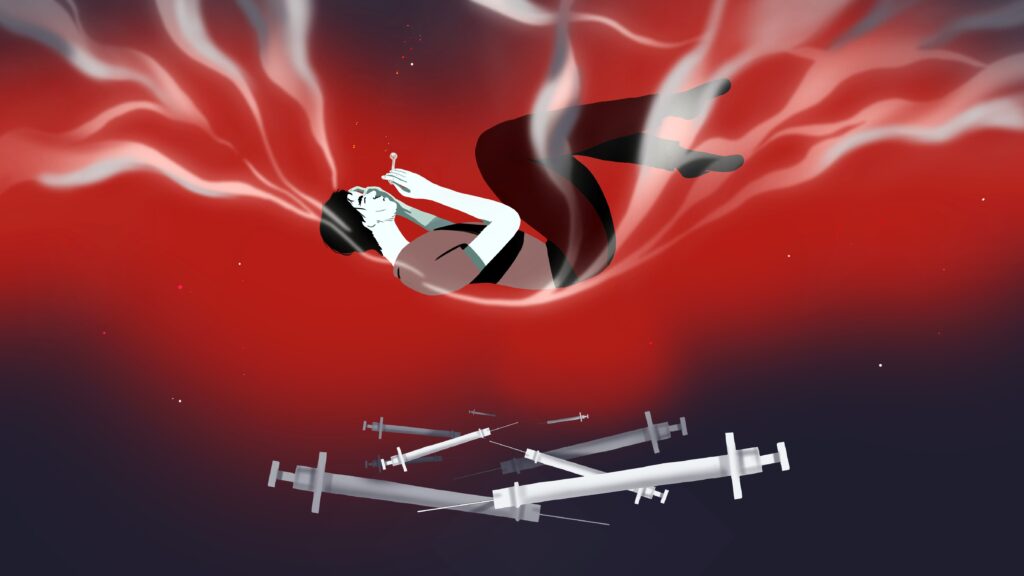
In October 2021, when Bea was just six weeks old, Edwards contemplated ending his life, believing he was the source of his family’s unhappiness. He sought help after recalling the memory of his son Sulli snuggling with him that morning. Although he received a diagnosis of adverse childhood trauma and was prescribed medication, he felt unsupported in addressing the root causes of his depression.
Edwards’ experience reflects a broader issue. Research led by Prof Ann John indicates that men are significantly affected by post-natal depression, with an alarming increase in suicides among fathers during the critical two-year period following a child’s birth. According to her study, which analyzed Welsh national health records, the suicide rate among fathers in Wales during this period is seven times higher than that of mothers.
Prof Ann John emphasized that the notion that post-natal depression only affects women is a myth. “It affects more than 1 in 10 women and can also affect fathers and partners,” she stated. The absence of a national system to track paternal mental health issues is concerning, as is the stigma surrounding men’s mental health.
In search of support, Edwards founded the “How’s Dad?” community in February 2024, reaching out to other fathers through social media. This initiative has since blossomed into a network where dads can share their experiences and provide mutual support. Edwards noted that many fathers feel isolated and struggle to seek help, often trying to maintain a façade of the perfect family.
Mark Williams, another father who faced similar challenges, reflected on his own experience with post-natal depression after the birth of his son, Ethan. Initially unaware of mental health issues, Williams attributed his panic attacks and overwhelming feelings to exhaustion. Over time, he recognized that his struggles were tied to the pressures of fatherhood.
“I couldn’t process the birth trauma and felt a numbness that led to suicidal thoughts,” Williams recalled. He coped with alcohol and isolation, ultimately working through his issues to build a supportive relationship with his son. Now a mental health advocate, he leads initiatives that aim to influence government policy regarding parental mental health.
The charity Mind Cymru has also highlighted the importance of addressing mental health in fathers. Research shows that 9% of men report experiencing birth-related mental health conditions, including post-traumatic stress disorder (PTSD). Simon Jones, head of policy and campaigns at Mind Cymru, stressed the need for comprehensive support systems during the transition to parenthood.
In response to these concerns, the Welsh government has acknowledged the unique challenges fathers face and is working on strategies to enhance understanding and provide compassionate support. A recent report published in April 2024 outlines a cross-sector approach to address these issues.
Both Edwards and Williams advocate for a shift in societal attitudes towards masculinity, encouraging open discussions about emotions and mental health. “It’s important that we reach out and ask for help,” Edwards said, emphasizing that there is no shame in seeking assistance.
As fathers continue to share their stories, it becomes increasingly clear that post-natal depression is not just a women’s issue but a significant mental health concern that affects families as a whole. By fostering supportive environments, society can better address the mental health needs of all parents.