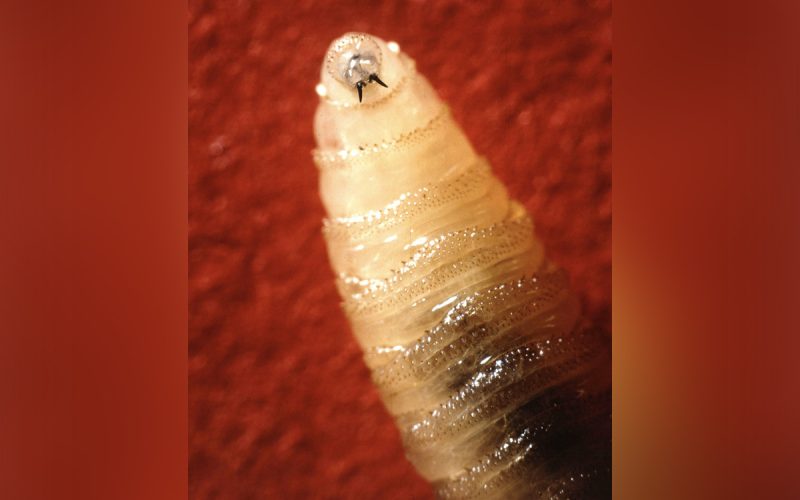
The Centers for Disease Control and Prevention (CDC) has issued a warning to healthcare professionals regarding the potential threat posed by the New World screwworm. This parasite, particularly concerning in the southern United States, lays its eggs in the wounds and orifices of animals and humans alike. The CDC’s advisory focuses on the need for increased awareness and vigilance among doctors to identify symptoms associated with this infestation.
The New World screwworm, scientifically known as Cochliomyia hominivorax, has a notorious reputation for its life cycle, which begins when adult flies deposit their eggs in open wounds, as well as in the nostrils, ears, eyes, or mouths of their hosts. Once hatched, the larvae, or maggots, begin to feed on surrounding tissue, burrowing deeper into the flesh. This parasitic behavior can lead to severe infections and, in some cases, may necessitate surgical intervention.
Symptoms to Watch For
Healthcare professionals are encouraged to be on the lookout for specific symptoms indicative of a screwworm infestation. These include the presence of larvae in wounds, severe pain, and unusual swelling or discharge from affected areas. Additionally, patients may exhibit signs of infection, such as fever or malaise.
The CDC emphasizes the importance of early detection, as timely medical intervention is crucial in managing and treating infestations effectively. Patients who have traveled to regions where the New World screwworm is endemic, or those with unexplained wounds, should be thoroughly evaluated for potential infestation.
The agency’s alert comes in response to recent reports of screwworm cases in the southern United States. In these instances, affected individuals required extensive medical treatment, underscoring the significance of awareness among healthcare providers. The CDC has called for increased education and training for medical staff to recognize these symptoms and respond accordingly.
Preventive Measures and Recommendations
To mitigate the risk of infestation, the CDC recommends several preventive measures. Individuals should maintain proper wound care, ensuring that any cuts or abrasions are cleaned and covered to prevent flies from laying eggs. Furthermore, avoiding contact with potentially infested animals is crucial, especially in areas known for screwworm occurrences.
In addition to personal preventive practices, the CDC is collaborating with local health departments and veterinarians to monitor and manage potential outbreaks. Public education campaigns are also being developed to raise awareness about the risks associated with the New World screwworm and the importance of seeking medical attention for any concerning symptoms.
The CDC continues to monitor the situation closely and encourages healthcare professionals and the public to report any suspected cases of screwworm infestations. As this parasite presents a significant health risk, particularly in vulnerable populations, awareness and proactive measures are essential for prevention and treatment.